Glenwood, IA · Mills County
HVAC Leak Water Removal in Glenwood, IAAC Condensate Leak Water Removal & Coil Leak Water Damage Repair
HVAC Leak Water Removal in Glenwood covers AC condensate leak water removal, HVAC cabinet water extraction and ductwork condensation water removal.
Answered 24/7
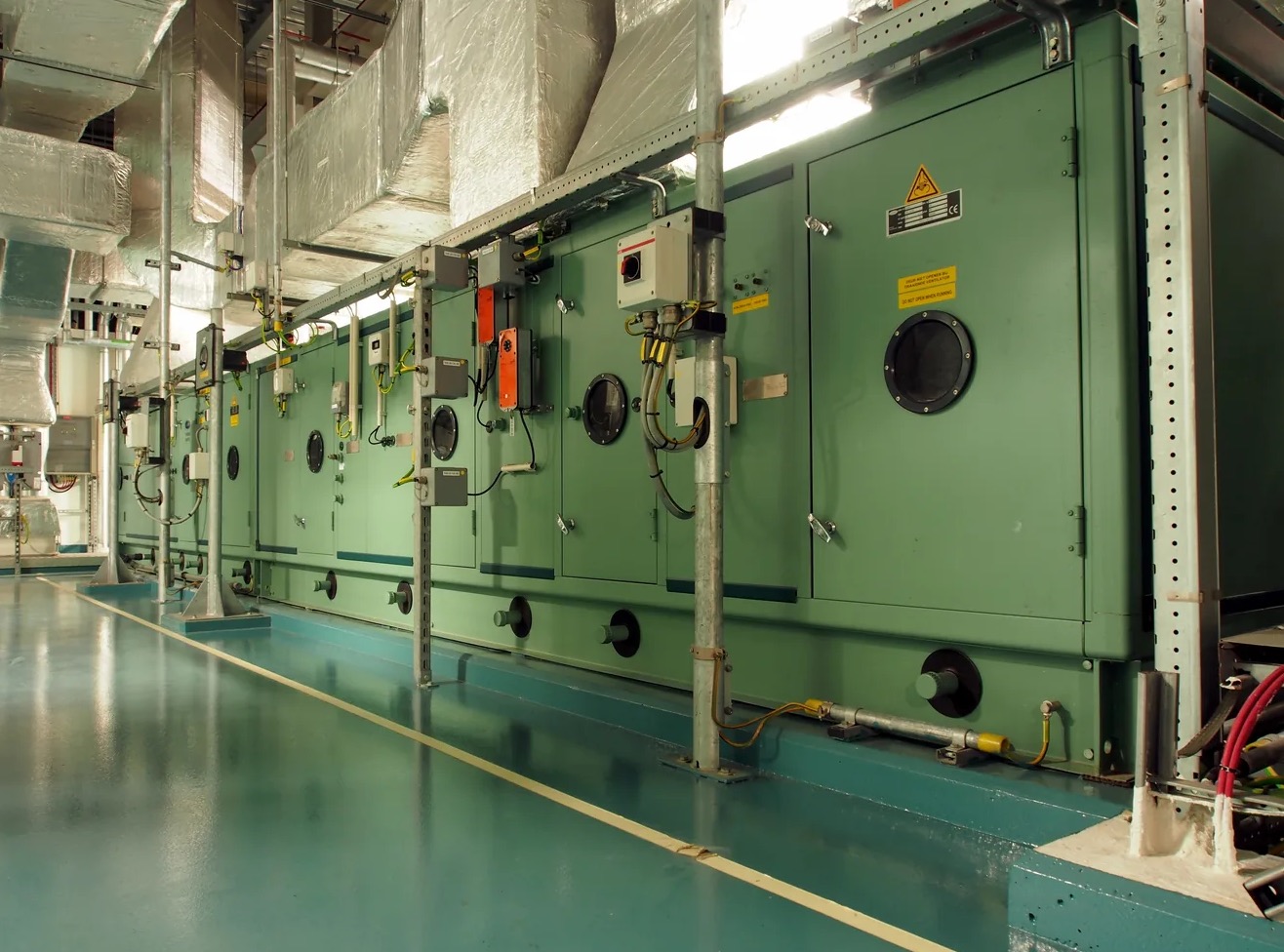
HVAC Leak Water Removal Services for Glenwood Residents
Most air conditioner water damage in Glenwood starts with a clogged drain line or a cracked pan. The leak is often slow, so drywall, flooring and insulation soak for days before anyone sees a stain.
When an HVAC leak occurs in Glenwood, water needs to come out quickly to protect interior finishes and electrical systems. Local water removal pros serve this community and nearby areas like Plattsmouth, Malvern and Bellevue, extracting water around the unit and drying wet ductwork before damage spreads.
HVAC Leak Water Removal Service Details in Glenwood
AC Condensate Leak Water Removal
A rusted or cracked condensate pan leaks directly from the AC coil. Prompt water removal prevents corrosion and electrical hazards.
Coil Leak Water Damage Repair
A leaking evaporator or condenser coil drips water into the system or onto the floor. Repair begins with extracting all moisture.
Ductwork Condensation Water Removal
Humid air hitting cold metal ductwork makes it sweat and drip. Cleanup means drying the ducts and the drywall, insulation and flooring under them.
HVAC Cabinet Water Extraction
Water inside an HVAC cabinet sits right next to wiring and the blower. Power is shut off first, then the water is pulled out with small wet vacuums made for tight spaces.
Wet Insulation Removal Near HVAC
Fiberglass insulation soaked by an HVAC leak becomes heavy and ineffective. Experts carefully remove this material to access hidden moisture.
Indicators for HVAC Leak Water Removal in Glenwood Homes
Unusual Sounds From the AC Unit
Gurgling, dripping, or hissing noises from the indoor unit frequently accompany a condensate drainage failure.
Water Damage to Flooring
Warped laminate, cupped hardwood or soaked carpet near the HVAC unit shows the leak has reached the floor.
Visible Rust on Metal Components
Rust forming on the evaporator coil cabinet, drain pan, or supports indicates prolonged moisture exposure.
Musty Odors Near Air Vents
A musty smell when the system runs can point to wet insulation or mold inside the unit or ducts.
How HVAC Leak Water Removal Works in Glenwood
Step 1: 24/7 Emergency Leak Response
The pros make the area safe, find where the leak started and start removing water.
Step 2: Condensation Leak Repair Focus
The cause, such as a clogged drain line or failed pump, is identified so it can be fixed and the leak does not return.
Step 3: Comprehensive Moisture Remediation
All wet materials are dried, including the hard-to-reach spaces inside walls and ceiling cavities.
Step 4: System Restoration and Testing
Readings confirm the area is dry, and the system can be restarted once the HVAC repair is done.
Frequent Sources of HVAC Leak Water Damage in Glenwood
Frozen Evaporator Coil Thawing
A coil freezing due to low refrigerant or airflow can release large volumes of water upon thawing.
Obstructed Air Filter or Ducts
Badly restricted airflow lets frost build on the cold coil, and the water floods the pan when it melts.
Refrigerant Leak at the Coil
A pinhole leak in the evaporator coil itself can allow refrigerant and moisture to escape simultaneously.
Improper HVAC System Slope
An air handler or drain line installed without correct pitch prevents gravity-driven water flow to the drain.
Residential and Commercial HVAC Leak Water Removal in Glenwood
Residential HVAC Leak Water Removal
In homes, an HVAC leak usually wets the ceiling under an attic unit or the walls and floor around the air handler closet. Wet insulation near the unit is removed so it does not hold water.
Commercial HVAC Leak Water Removal
In stores, offices and warehouses, leaks come from large air handlers, VAV boxes and ducts above the ceiling. The water is removed fast so the space can reopen.
HVAC Leak Water Removal: DIY or Call Water Damage Pros in Glenwood
You can document water damage for an insurance claim by taking clear photos of the affected area and leaking component. Keep records of communication. Do not discard damaged items until reviewed. Coverage decisions belong to the insurer.
Factors in HVAC Leak Water Removal Cost for Glenwood
The pros in Glenwood price the job based on how long the leak ran and how much it damaged. Wet ducts inside walls or ceilings take extra work to reach.
Drying Time and Equipment
The number of days ducts and materials take to dry decides how long the dehumidifiers run.
Emergency Service Timing
HVAC leak cleanup started at night, on weekends or on holidays may be billed at a different rate.
HVAC System Accessibility
Units in tight closets or attics take more labor to reach, clean around and dry.
Does Insurance Cover HVAC Leak Water Removal?
AC unit water damage coverage hinges on the leak source. Sudden failures like a burst drain line may be covered, while gradual neglect often is not. Homeowners should confirm specifics with their insurer.
Why Choose Local Pros for HVAC Leak Water Removal in Glenwood
IICRC-Standard Drying Methods
Drying follows industry standards so the unit area, ducts and walls are dry before the system runs again.
HVAC-Specific Moisture Detection
Moisture meters and thermal cameras find water in ducts, insulation and cabinets that you cannot see.
Precision Wet Insulation Removal
Wet insulation near the unit is removed so it does not hold water against framing and grow mold.
Urgent HVAC Leak Water Removal Response in Glenwood
Time is critical when dealing with wet ductwork from a coil leak. To initiate emergency HVAC water extraction and drying, call the pros at (402) 704-4921.
Call Now (402) 704-4921HVAC Leak Water Removal Coverage for Glenwood, Plattsmouth, Malvern and Bellevue
Help with HVAC leak water removal is available in Glenwood and nearby Plattsmouth, Malvern and Bellevue, for water from AC units, drain lines and ducts.
- HVAC Leak Water Removal in Plattsmouth
- HVAC Leak Water Removal in Malvern
- HVAC Leak Water Removal in Bellevue
- HVAC Leak Water Removal in Tabor
- HVAC Leak Water Removal in Treynor
- HVAC Leak Water Removal in Council Bluffs
- HVAC Leak Water Removal in Papillion
- HVAC Leak Water Removal in Midtown
- Emergency Damage Restoration in 51534
- Storm Damage Restoration in 51534
- Water Damage Restoration in 51534
- Water Extraction Service in 51534
- Water Leak Detection in 51534
- Water Removal Service in 51534
Frequently Asked Questions About HVAC Leak Water Removal
What is moisture remediation for HVAC systems?
It means removing excess moisture, drying all components and bringing humidity back to normal levels around the system.
Can wet insulation near HVAC be saved?
Often, yes. Wet insulation loses its value and is hard to dry in tight spaces, so it is usually removed and replaced once the area is dry.
What's the difference between water extraction and drying?
Extraction removes the liquid water. Drying uses dehumidifiers and air movers to pull out the moisture left in insulation, drywall and wood.
Can I run my AC after a condensation leak?
No. Running the system while it leaks can spread water further and cause electrical shorts.
Why does my AC coil leak water?
A frozen coil that thaws, a clogged drain pan, or a cracked condensate drain line are common causes of water leaking from the AC unit.