Midtown, NE · Douglas County
HVAC Leak Water Removal in Midtown, NEHVAC Cabinet Water Extraction & AC Condensate Leak Water Removal
HVAC Leak Water Removal in Midtown covers HVAC cabinet water extraction, emergency HVAC leak cleanup, and wet insulation removal near HVAC.
Answered 24/7
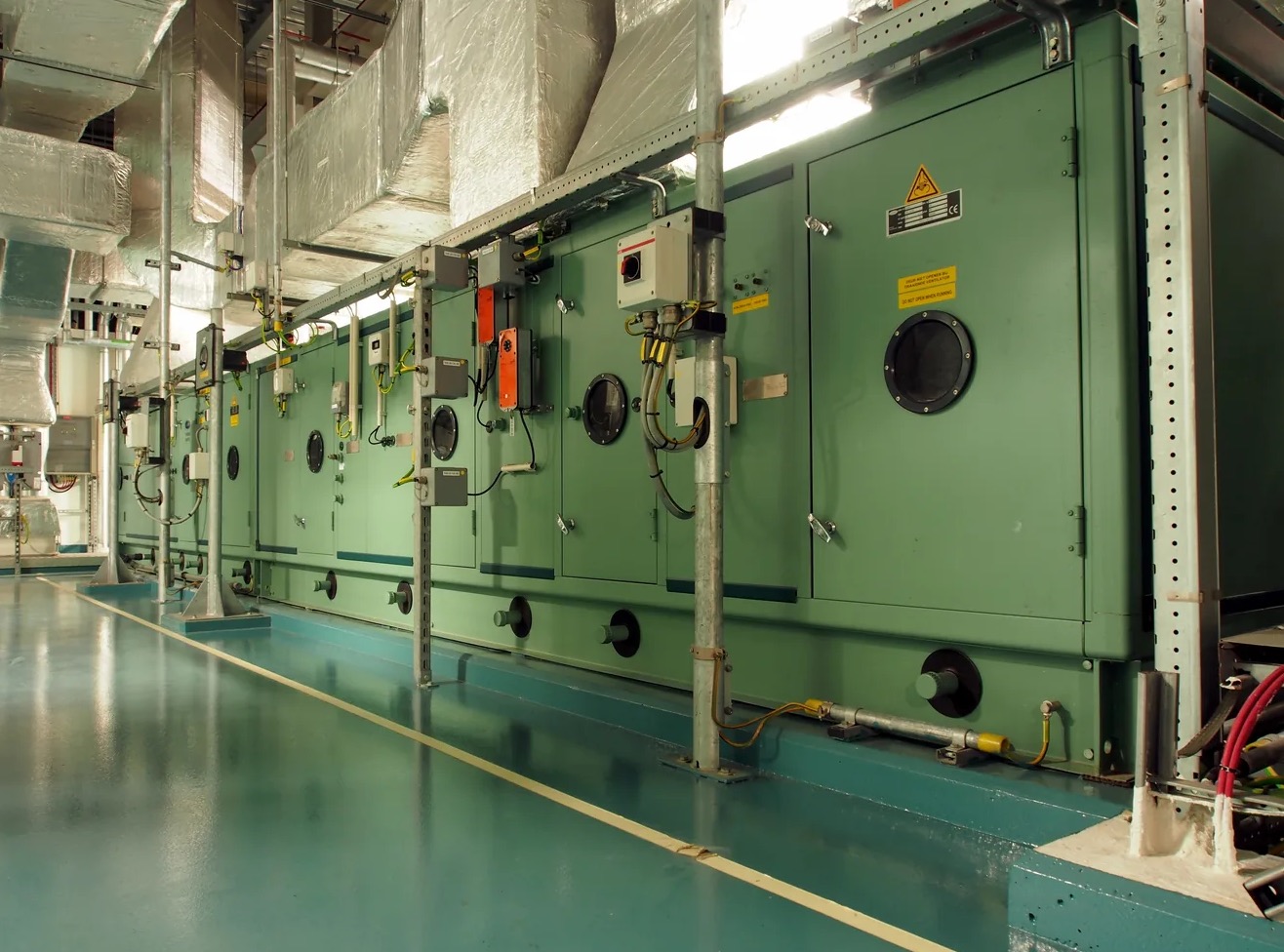
HVAC Leak Water Removal Services for Midtown Residents
A leaking AC unit in Midtown can fill the air handler cabinet and spill onto the floor around it. Water near wiring is a shock risk, so the power should be off before anyone works there.
When an HVAC leak occurs in Midtown, water needs to come out quickly to protect interior finishes and electrical systems. Local water removal pros serve this community and nearby areas like Dundee, Carter Lake and Ralston, extracting water around the unit and drying wet ductwork before damage spreads.
HVAC Leak Water Removal Services in Midtown
HVAC Cabinet Water Extraction
A leak from a coil or connection fills the air handler cabinet bottom. Extraction experts remove this water to prevent mold inside ducts.
AC Condensate Leak Water Removal
An overflowing secondary pan from a blocked drain line creates a steady leak. Water extraction experts remove the water to protect the HVAC cabinet and subfloor.
Coil Leak Water Damage Repair
Coil leak water damaging drywall or cabinetry needs repairs after drying. The pros coordinate drying to prepare for reconstruction.
Moisture Remediation for HVAC Systems
The job ends with a dry space and dry materials around the unit. Readings from the last day are recorded so you have proof the area is dry.
Wet Insulation Removal Near HVAC
Wet attic insulation near ductwork or an air handler often must be removed. The pros assess the wetness and remove affected sections.
Signs You Require HVAC Leak Water Removal in Midtown
Mold on Air Handler
Visible mold on the unit, the ducts or nearby drywall usually means water has been there for a while.
Water Damage to Flooring
Warped laminate, cupped hardwood or soaked carpet near the HVAC unit shows the leak has reached the floor.
Visible Rust on Metal Components
Rust forming on the evaporator coil cabinet, drain pan, or supports indicates prolonged moisture exposure.
High Indoor Humidity Levels
A home feeling persistently muggy can mean the HVAC system is not properly removing airborne moisture.
How HVAC Leak Water Removal Works in Midtown
Step 1: Emergency Assessment and Water Extraction
The pros stop the water at the unit and extract the standing water from the cabinet, the closet floor and any wet carpet.
Step 2: System Inspection and Moisture Mapping
Moisture meters and thermal cameras show where water went, including wet insulation and duct sections, and the drying plan is built from that.
Step 3: Targeted Drying and Dehumidification
Air movers and dehumidifiers are placed to dry the walls, ceiling, floor and duct runs that got wet.
Step 4: Cleaning and Final Verification
Affected surfaces and HVAC components are cleaned. Final moisture readings confirm the area is dry.
Common Causes of HVAC Water Leaks in Midtown
Obstructed Air Filter or Ducts
Badly restricted airflow lets frost build on the cold coil, and the water floods the pan when it melts.
Clogged Condensate Drain Line
Algae, sludge, or debris blocking the primary drain pipe causes water to back up into the HVAC cabinet.
High Static Pressure in Ducts
An oversized system or closed vents can upset airflow and drainage, so condensate does not drain as it should.
Cracked or Disconnected Drain Pan
A damaged or misaligned secondary drain pan beneath the evaporator coil fails to catch condensation overflow.
HVAC Leak Water Removal for All Properties in Midtown
Residential HVAC Leak Water Removal
In homes, an HVAC leak usually wets the ceiling under an attic unit or the walls and floor around the air handler closet. Wet insulation near the unit is removed so it does not hold water.
Commercial HVAC Leak Water Removal
In stores, offices and warehouses, leaks come from large air handlers, VAV boxes and ducts above the ceiling. The water is removed fast so the space can reopen.
When DIY Fails for HVAC Leak Water Removal in Midtown
You can document water damage for an insurance claim by taking clear photos of the affected area and leaking component. Keep records of communication. Do not discard damaged items until reviewed. Coverage decisions belong to the insurer.
HVAC Leak Water Removal Pricing Considerations in Midtown
The cost of HVAC leak cleanup depends on how easy the unit and ducts are to reach. The amount of wet insulation that has to come out is one of the biggest factors.
Affected Components and Materials
Wet insulation, damaged ductwork or wiring near the flooded unit each add work to the job.
Emergency Service Timing
HVAC leak cleanup started at night, on weekends or on holidays may be billed at a different rate.
HVAC System Accessibility
Units in tight closets or attics take more labor to reach, clean around and dry.
Does Insurance Cover HVAC Leak Water Removal?
Coverage for HVAC leak water removal depends on what caused the leak and how your policy is written. The pros take photos and moisture readings, and your insurer decides what is covered.
Advantages of Local Pros for HVAC Leak Water Removal in Midtown
Focused on System Integrity
The goal is a dry unit area and dry materials around it, so the system can run safely again.
Structured Dehumidification Strategy
Air movers and dehumidifiers are placed to dry the cabinet area and nearby walls without blowing water further.
24/7 Emergency Response
Getting to a leaking AC early limits how far water spreads and how much it rusts parts in the unit.
Emergency HVAC Leak Water Removal Services in Midtown
Water damaged HVAC components risk mold and system failure. For HVAC leak water removal in the Midtown community in Omaha, call (402) 704-4921 at any hour.
Call Now (402) 704-4921HVAC Leak Water Removal Near Midtown: Areas Served
In Midtown and nearby Dundee, Carter Lake and Ralston, the pros handle water from HVAC cabinets, drain lines and wet insulation around the unit.
- HVAC Leak Water Removal in Dundee
- HVAC Leak Water Removal in Carter Lake
- HVAC Leak Water Removal in Ralston
- HVAC Leak Water Removal in Council Bluffs
- HVAC Leak Water Removal in La Vista
- HVAC Leak Water Removal in Bellevue
- HVAC Leak Water Removal in Millard
- HVAC Leak Water Removal in Papillion
- Emergency Damage Restoration in 68102
- Storm Damage Restoration in 68102
- Water Damage Restoration in 68102
- Water Extraction Service in 68102
- Water Leak Detection in 68102
- Water Removal Service in 68102
- Emergency Damage Restoration in 68105
- Storm Damage Restoration in 68105
HVAC Leak Water Removal FAQs
Why is quick action critical for a flooded HVAC unit?
Water can damage the unit's wiring, rust metal parts and soak into walls and floors, which makes repairs larger and more expensive.
How long does wet ductwork drying typically take?
It depends on how much water there is and how easy it is to reach. Most jobs take two to four days of drying with commercial equipment.
What happens during coil leak water damage repair?
The pros remove the water and dry the coil area. The coil itself is serviced or replaced by an HVAC contractor to stop the leak.
How is moisture removed from HVAC ductwork?
Air movers and dehumidifiers dry the area around the ducts. Duct sections or lining that stayed wet may need cleaning or replacing by an HVAC contractor.
What are signs of a leaking AC unit indoors?
Water around the indoor unit, stains on nearby walls or ceilings, a musty smell, or the system shutting off because its float switch tripped.