Glenwood, IA · Mills County
Clean Water Extraction (Category 1) in Glenwood, IAWall Cavity Water Extraction & Clean Water Removal From Flooring
Clean Water Extraction (Category 1) in Glenwood covers standing water pump out, wet carpet water extraction and hard surface floor drying.
Answered 24/7
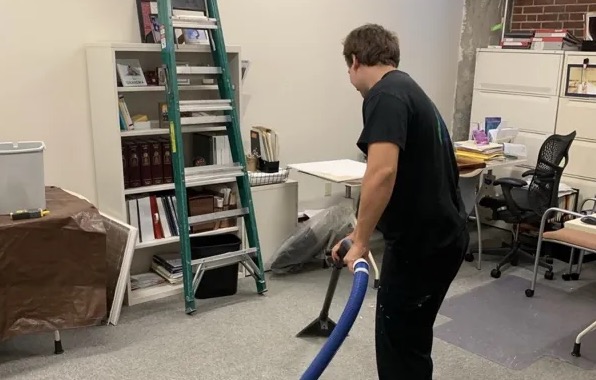
Expert Clean Water Extraction (Category 1) Near Glenwood, Iowa
Because the water is clean, more can be saved. In Glenwood homes, carpet can often be dried and relaid, drywall dried through small holes and hardwood dried slowly in place.
A supply line break in Glenwood can flood a room quickly. Local water damage pros serve Glenwood and nearby Plattsmouth, Malvern and Bellevue, with help available around the clock.
Clean Water Extraction (Category 1) and Water Removal in Mills County
Wall Cavity Water Extraction
Wet insulation in the wall cavity is pulled out so studs can dry. Drywall wet from clean water can often stay.
Clean Water Removal From Flooring
Clean water is removed from every type of flooring in the affected area, from carpet to tile to wood, using the method that suits each.
Ceiling Leak Water Removal
A bulging ceiling is drained through a small opening so the weight comes off before it can fall.
Standing Water Pump Out
Pumping removes deep water quickly and keeps it from wicking higher into walls and cabinets while extraction gets under way.
Wet Carpet Water Extraction
Fast extraction of clean water from carpet is the main reason so much carpet can be saved after a supply line leak.
Indicators for Professional Clean Water Extraction (Category 1) in Glenwood
Sudden Indoor Flooding
Water spreading across a floor suddenly means a supply line or appliance has failed and needs shutting off.
Wet Carpets or Rugs
Carpets and rugs that are wet or squish underfoot are holding water in the pad below.
Musty Odors After a Leak
A musty smell a day or two after a leak means water is still trapped in carpet, walls or subfloor.
Furniture in Wet Areas
Furniture sitting in wet areas can stain carpet and swell at the legs, and should be moved or blocked up.
How Clean Water Extraction (Category 1) Works in Glenwood
Step 1: Leak Identification and Control
The leaking line, appliance or fixture is found and shut off so no more water enters.
Step 2: Water Removal Process
Water is removed quickly while it is still clean, which keeps more materials salvageable.
Step 3: Dehumidification
Dehumidifiers pull moisture from the air so walls, floors and cabinets can dry evenly.
Step 4: Post-Drying Documentation
Photos, readings and drying logs are provided for your records and insurer.
Typical Origins of Category 1 Water in Glenwood
AC Condensate Drain Clogs
A clogged AC condensate drain overflows clean condensate water into closets and ceilings.
Roof Leaks From Rain
Rain entering through a roof leak is usually clean when it first reaches the ceiling and floor.
Appliance Malfunctions
Washers, dishwashers and refrigerators fail at hoses and fittings and leak onto the floor.
Supply Line Breaks
Toilet, faucet and appliance supply lines split or loosen and release water under pressure.
Residential & Commercial Clean Water Extraction (Category 1) in Glenwood
Residential Clean Water Extraction (Category 1)
Homeowners often worry about hardwood floors. Clean water extracted quickly gives hardwood a good chance of being saved, with slow drying to limit cupping and cracking.
Commercial Clean Water Extraction (Category 1)
Property managers in apartment buildings see water heater and washer leaks between units. Each unit is extracted, dried and documented.
Clean Water Extraction (Category 1) vs. DIY Cleanup in Glenwood
Running household fans helps the surface dry, but clean water trapped under floors and inside walls needs dehumidifiers and moisture readings to dry fully and safely.
Understanding Clean Water Extraction (Category 1) Cost in Glenwood
In Glenwood, clean water jobs usually cost less than dirty water jobs, because more carpet, drywall and flooring can be dried in place.
Water Category and Source
Clean water costs less to handle than gray or black water, since more materials can be dried in place.
Material Saturation Level
Materials soaked through take longer to dry than materials that were only damp on the surface.
Equipment Needs
The number of air movers, dehumidifiers and pumps needed, and for how long, drives much of the cost.
Does Insurance Cover Clean Water Extraction (Category 1)?
Photograph the water, the source and damaged belongings before cleanup, and keep receipts for emergency extraction and drying equipment for your adjuster.
Reasons to Select Local Pros for Clean Water Extraction (Category 1) in Glenwood
Moisture Detection
Meters and thermal cameras find clean water hidden under floors and inside walls.
24/7 Emergency Response
Help is available day or night, so clean water is extracted before it soaks deeper or gets dirtier.
Drying Plan
Drying follows a set plan based on readings, with equipment moved as each area dries.
Emergency Water Extraction for Glenwood
Clean water soaks into floors and walls fast and can turn dirty if left. Call (402) 704-4921 for clean water extraction (category 1) in Glenwood at any hour.
Call Now (402) 704-4921Clean Water Extraction (Category 1) Near Glenwood: Local Service Area
Nearby areas served for clean water extraction (category 1) include Plattsmouth, Malvern and Bellevue, with the same extraction and drying steps used in Glenwood.
- Clean Water Extraction (Category 1) in Plattsmouth
- Clean Water Extraction (Category 1) in Malvern
- Clean Water Extraction (Category 1) in Bellevue
- Clean Water Extraction (Category 1) in Tabor
- Clean Water Extraction (Category 1) in Treynor
- Clean Water Extraction (Category 1) in Council Bluffs
- Clean Water Extraction (Category 1) in Papillion
- Clean Water Extraction (Category 1) in Midtown
- Emergency Damage Restoration in 51534
- Storm Damage Restoration in 51534
- Water Damage Restoration in 51534
- Water Extraction Service in 51534
- Water Leak Detection in 51534
- Water Removal Service in 51534
Clean Water Extraction (Category 1) FAQs for Glenwood Homeowners
Can I extract water myself while waiting for help?
You can shut off the water, mop hard floors and move belongings. Carpet pad and wall cavities need professional extraction.
What is involved in hard surface floor drying?
Extracting water from tile, concrete or wood, checking grout and seams for water underneath and drying with air movers and dehumidifiers.
What happens after the water is pumped out?
Carpet and floors are extracted, walls and subfloors are checked with meters and drying equipment runs until readings are normal.
Can wet carpets be saved after clean water extraction?
Often yes. Clean water extracted quickly means the carpet can usually be dried and kept, though the pad may be replaced.
Are air movers and dehumidifiers always necessary?
For anything beyond a small surface spill, yes. The pros dry the water that soaked into carpet, walls and subfloors.