Treynor, IA · Pottawattamie County
Clean Water Extraction (Category 1) in Treynor, IAWall Cavity Water Extraction & Hard Surface Floor Drying
Get clean water extraction (category 1) in Treynor for emergency water mitigation, clean water removal from flooring and standing water pump out.
Answered 24/7
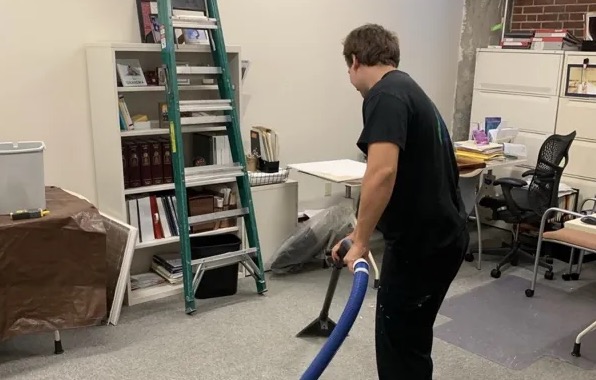
Professional Clean Water Extraction (Category 1) in Treynor, IA
Clean Water Extraction (Category 1) in Treynor ends with dry readings across the affected area. That is what lets floors, walls and cabinets be repaired or refinished without trapping moisture.
A supply line break in Treynor can flood a room quickly. Local restoration pros serve Treynor and nearby Underwood, Oakland and Council Bluffs, with help available around the clock.
The Clean Water Extraction (Category 1) Process for Properties in Treynor
Wall Cavity Water Extraction
Wet insulation in the wall cavity is pulled out so studs can dry. Drywall wet from clean water can often stay.
Hard Surface Floor Drying
Hardwood is dried slowly with dehumidifiers and, where needed, drying mats that pull water from the boards without cracking them.
Clean Water Removal From Flooring
Water is followed under baseboards and thresholds into nearby rooms, so no wet flooring is missed.
Wet Carpet Water Extraction
Carpet pad is checked after extraction. Pad soaked through is often replaced, while the carpet above is floated and dried.
Standing Water Pump Out
Water is pumped to a drain or outside, away from the house, so it does not find its way back in.
Warning Signs of Water Damage in Treynor
Puddles in Unused Rooms
Water appearing in rooms no one uses often comes from a hidden supply line leak inside a wall or under a floor.
Damp or Soft Drywall
Drywall that feels soft or damp near the floor has wicked up water from a leak.
Musty Odors After a Leak
A musty smell a day or two after a leak means water is still trapped in carpet, walls or subfloor.
Wet Carpets or Rugs
Carpets and rugs that are wet or squish underfoot are holding water in the pad below.
How Clean Water Extraction (Category 1) Works in Treynor
Step 1: Emergency Water Inspection
The source and type of water are confirmed, and the wet area is mapped with moisture meters.
Step 2: Standing Water Pump Out
Deep water is pumped out, and floors are extracted once the water is shallow enough.
Step 3: Targeted Moisture Removal
Carpet, hard floors and wall bases are extracted and dried with directed airflow.
Step 4: Drying Verification and Documentation
Daily readings track drying, and a final log confirms the area is back to normal.
Frequent Sources of Home Water Leaks in Treynor
Supply Line Breaks
Toilet, faucet and appliance supply lines split or loosen and release water under pressure.
Plumbing Fixture Leaks
Faucets, valves and fixtures develop slow leaks that wet cabinets and floors over time.
Fire Sprinkler Activation
A damaged or triggered fire sprinkler releases clean water across a room.
Burst or Leaking Pipes
Pipes can crack or burst from age, pressure or cold, releasing clean water into the house.
Clean Water Extraction (Category 1) in Treynor: Residential and Commercial
Residential Clean Water Extraction (Category 1)
In two-story homes, a clean water leak upstairs often reaches the ceiling below. Both levels are extracted and dried.
Commercial Clean Water Extraction (Category 1)
Warehouses and large spaces may need extra pumps and dehumidifiers for open floors, sized to the area that got wet.
Clean Water Extraction (Category 1) vs. DIY Cleanup in Treynor
Running household fans helps the surface dry, but clean water trapped under floors and inside walls needs dehumidifiers and moisture readings to dry fully and safely.
Considerations for Clean Water Extraction (Category 1) Expenses in Treynor
In Treynor, clean water jobs usually cost less than dirty water jobs, because more carpet, drywall and flooring can be dried in place.
Access and Complexity
Crawl spaces, tight closets and areas under cabinets take more work to reach and dry.
Material Saturation Level
Materials soaked through take longer to dry than materials that were only damp on the surface.
Water Category and Source
Clean water costs less to handle than gray or black water, since more materials can be dried in place.
Does Insurance Cover Clean Water Extraction (Category 1)?
Photograph the water, the source and damaged belongings before cleanup, and keep receipts for emergency extraction and drying equipment for your adjuster.
The Value of Professional Clean Water Extraction (Category 1) in Treynor
Advanced Extraction Equipment
Pumps and extractors remove water far faster than mops, towels or a shop vac.
Moisture Detection
Meters and thermal cameras find clean water hidden under floors and inside walls.
Industry Drying Standards
Drying follows industry water damage standards, with readings taken at every visit.
Emergency Clean Water Extraction (Category 1) Response for Treynor
The faster clean water is removed, the more carpet and drywall can be saved. Call (402) 704-4921 for clean water extraction (category 1) in Treynor right away.
Call Now (402) 704-4921Clean Water Extraction (Category 1) for Treynor and Surrounding Communities
Clean water extraction also covers homes and businesses in Underwood, Oakland and Council Bluffs, close to Treynor, day or night.
- Clean Water Extraction (Category 1) in Underwood
- Clean Water Extraction (Category 1) in Oakland
- Clean Water Extraction (Category 1) in Council Bluffs
- Clean Water Extraction (Category 1) in Glenwood
- Clean Water Extraction (Category 1) in Neola
- Clean Water Extraction (Category 1) in Crescent
- Clean Water Extraction (Category 1) in Malvern
- Clean Water Extraction (Category 1) in Carter Lake
- Emergency Damage Restoration in 51575
- Storm Damage Restoration in 51575
- Water Damage Restoration in 51575
- Water Extraction Service in 51575
- Water Leak Detection in 51575
- Water Removal Service in 51575
Your Clean Water Extraction (Category 1) Questions Addressed
How quickly should standing water be removed?
Right away. Clean water soaks into materials within hours and can become contaminated if it sits for more than a day or two.
What is clean water extraction (Category 1)?
Removing water from a sanitary source, like a supply line or water heater, and drying the affected materials before the water becomes contaminated.
How is moisture detected after water extraction?
Moisture meters and thermal cameras check floors, walls and ceilings, comparing readings to dry, unaffected areas.
Why is content protection part of water extraction?
Furniture and belongings in wet areas can stain carpet and absorb water, so they are moved or blocked up early.
What happens after the water is pumped out?
Carpet and floors are extracted, walls and subfloors are checked with meters and drying equipment runs until readings are normal.