Underwood, IA · Pottawattamie County
Clean Water Extraction (Category 1) in Underwood, IAWall Cavity Water Extraction & Clean Water Removal From Flooring
Clean Water Extraction (Category 1) in Underwood runs from standing water pump out and appliance leak water cleanup to wall cavity water extraction.
Answered 24/7
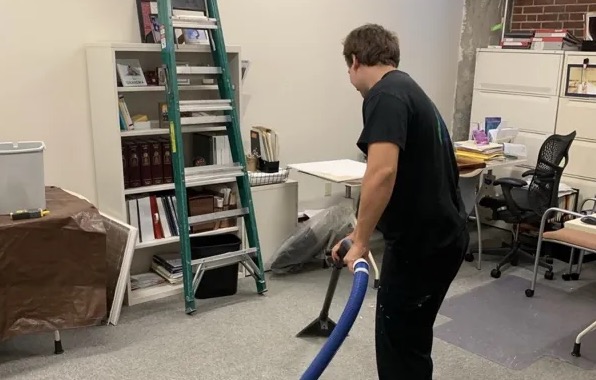
Professional Clean Water Extraction (Category 1) in Underwood, IA
Category 1 water is clean water from a sanitary source: a broken supply line, a leaking water heater, an overflowing sink with no waste in it. In Underwood, it is the most common kind of water damage, and the easiest to recover from when handled fast.
In Underwood, many clean water calls start with a burst washer hose or water heater leak. Local water extraction pros serve Underwood, Neola, Crescent and Honey Creek, extracting the water and drying floors and walls.
Detailed Clean Water Extraction (Category 1) Offerings in Underwood, IA
Wall Cavity Water Extraction
Moisture readings show how high water wicked into the wall, so only the wet part is opened.
Clean Water Removal From Flooring
Clean water is removed from every type of flooring in the affected area, from carpet to tile to wood, using the method that suits each.
Hard Surface Floor Drying
Tile, sealed concrete and hardwood are squeegeed and extracted, then dried with air movers. Grout lines and seams are checked for water underneath.
Emergency Water Mitigation
Emergency mitigation focuses on what is still at risk. Belongings are moved, furniture is set on blocks and the wettest areas are extracted first.
Standing Water Pump Out
Standing water from a supply line or appliance is pumped out with submersible pumps when it is more than shallow, then floors are extracted.
Indicators for Professional Clean Water Extraction (Category 1) in Underwood
Sudden Indoor Flooding
Water spreading across a floor suddenly means a supply line or appliance has failed and needs shutting off.
Standing Water in Basement
Standing water on a basement floor from a pipe or appliance needs pumping before it soaks walls and stored items.
Buckling Laminate Flooring
Laminate that buckles, cups or lifts at the seams has water trapped underneath it.
Damp or Soft Drywall
Drywall that feels soft or damp near the floor has wicked up water from a leak.
How Clean Water Extraction (Category 1) Works in Underwood
Step 1: Leak Identification and Control
The leaking line, appliance or fixture is found and shut off so no more water enters.
Step 2: Water Removal Process
Water is removed quickly while it is still clean, which keeps more materials salvageable.
Step 3: Dehumidification
Dehumidifiers pull moisture from the air so walls, floors and cabinets can dry evenly.
Step 4: Post-Drying Documentation
Photos, readings and drying logs are provided for your records and insurer.
What Causes Water Damage in Underwood Homes
Plumbing Fixture Leaks
Faucets, valves and fixtures develop slow leaks that wet cabinets and floors over time.
Supply Line Breaks
Toilet, faucet and appliance supply lines split or loosen and release water under pressure.
Fire Sprinkler Activation
A damaged or triggered fire sprinkler releases clean water across a room.
Hydrostatic Pressure in Slabs
Groundwater pressure under a slab can push clean water up through cracks in the floor.
Clean Water Extraction (Category 1) for Homes and Businesses in Underwood
Residential Clean Water Extraction (Category 1)
In two-story homes, a clean water leak upstairs often reaches the ceiling below. Both levels are extracted and dried.
Commercial Clean Water Extraction (Category 1)
Warehouses and large spaces may need extra pumps and dehumidifiers for open floors, sized to the area that got wet.
Clean Water Extraction (Category 1) vs. DIY Cleanup in Underwood
A shop vac can help with shallow water on hard floors, but it cannot press water out of carpet pad or dry wall cavities. Call (402) 704-4921 for extraction and drying.
Understanding Clean Water Extraction (Category 1) Cost in Underwood
Appliance or plumbing repairs are separate from water extraction and drying. In Underwood, both are usually needed after a leak.
Affected Square Footage
More square feet of wet flooring and walls means more extraction and more drying equipment.
Access and Complexity
Crawl spaces, tight closets and areas under cabinets take more work to reach and dry.
Water Category and Source
Clean water costs less to handle than gray or black water, since more materials can be dried in place.
Does Insurance Cover Clean Water Extraction (Category 1)?
The failed appliance or pipe itself is often not covered, even when the water damage is. Ask your adjuster how your policy treats each.
The Value of Professional Clean Water Extraction (Category 1) in Underwood
Advanced Extraction Equipment
Pumps and extractors remove water far faster than mops, towels or a shop vac.
Content Protection and Moving
Furniture and belongings are moved or blocked up so they stay dry and do not stain carpet.
Clear Communication and Updates
You get plain updates on what is wet, what can be saved and how long drying should take.
Emergency Clean Water Extraction (Category 1) Response for Underwood
Water spreading from a pipe or appliance in Underwood? Shut off the water, move belongings and call (402) 704-4921. Help is available 24/7.
Call Now (402) 704-4921Clean Water Extraction (Category 1) Near Underwood: Local Service Area
Nearby areas served for clean water extraction (category 1) include Neola, Crescent and Honey Creek, with the same extraction and drying steps used in Underwood.
- Clean Water Extraction (Category 1) in Neola
- Clean Water Extraction (Category 1) in Crescent
- Clean Water Extraction (Category 1) in Honey Creek
- Clean Water Extraction (Category 1) in Treynor
- Clean Water Extraction (Category 1) in Council Bluffs
- Clean Water Extraction (Category 1) in Oakland
- Clean Water Extraction (Category 1) in Carter Lake
- Clean Water Extraction (Category 1) in Midtown
- Emergency Damage Restoration in 51576
- Storm Damage Restoration in 51576
- Water Damage Restoration in 51576
- Water Extraction Service in 51576
- Water Leak Detection in 51576
- Water Removal Service in 51576
Your Clean Water Extraction (Category 1) Questions Addressed
What tools are used for home water extraction?
Submersible pumps, extractors, weighted carpet tools, air movers, dehumidifiers, moisture meters and thermal cameras.
How is moisture detected after water extraction?
Moisture meters and thermal cameras check floors, walls and ceilings, comparing readings to dry, unaffected areas.
What is clean water extraction (Category 1)?
Removing water from a sanitary source, like a supply line or water heater, and drying the affected materials before the water becomes contaminated.
What is involved in hard surface floor drying?
Extracting water from tile, concrete or wood, checking grout and seams for water underneath and drying with air movers and dehumidifiers.
How long does clean water damage cleanup take?
Extraction takes hours, and drying usually takes a few days, depending on materials and how long the water sat.