Neola, IA · Pottawattamie County
Basement Water Damage Restoration in Neola, IABasement Drying Services & Basement Dehumidification
Basement Water Damage Restoration in Neola runs from basement water extraction and basement floor water removal to basement dehumidification.
Answered 24/7
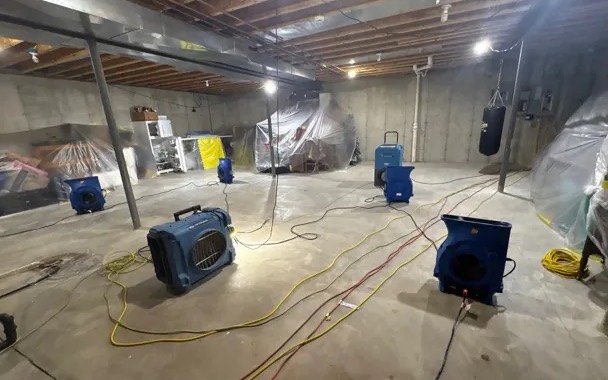
Basement Water Damage Restoration for Neola Homes
Sewage backups are one of the most common problems in any basement or lower level, including in Neola. Water coming up through a floor drain or basement toilet carries bacteria and needs a different cleanup than clean water.
A finished basement or lower level in Neola or Underwood, Honey Creek and Crescent can hide old moisture behind drywall and flooring. The pros find the water and dry the space before more damage sets in.
Basement Water Damage Restoration Services in Neola
Basement Drying Services
Drying a basement takes longer than drying an upper floor because the air is cool and the concrete holds moisture.
Basement Dehumidification
Large dehumidifiers pull moisture from the basement air so walls, framing and the slab can release their water.
Basement Wall Drying
Finished basement walls hide wet insulation and framing. Removing the bottom of the drywall lets air reach the cavity.
Emergency Basement Flood Cleanup
Help is available any hour when water is rising in the basement from a burst pipe, a sewer backup or heavy rain.
Basement Floor Water Removal
A slab can look dry on top while still holding water. Moisture readings show when it is ready for new flooring.
Indicators for Basement Water Damage Restoration in Neola
Mold on Surfaces
Dark spots on drywall, framing or stored boxes mean the area has stayed wet for days.
Condensation on Windows or Pipes
Water beading on cold pipes or basement windows shows high humidity that keeps materials damp.
Wet or Stained Basement Walls
Dark, wet patches or tide lines on basement walls show where water seeped in or wicked up.
High Humidity Levels Below-Grade
A basement that stays damp and clammy even on dry days has a moisture source that needs attention.
How Basement Water Damage Restoration Works in Neola
Step 1: Floodwater Pump-Out
Submersible pumps remove deep water, and electrical hazards are checked before anyone walks in it.
Step 2: Deep Moisture Extraction
Extractors pull water from carpet, pad and the concrete floor after the deep water is gone.
Step 3: Air Circulation and Drying
Air movers keep dry air moving across walls and floors throughout the basement.
Step 4: Dehumidification and Verification
Dehumidifiers run until humidity and material readings confirm the basement is dry.
What Causes Basement Water Damage Restoration in Neola
Plumbing Pipe Bursts or Leaks
Supply lines and drain pipes in basement ceilings can crack or burst onto the floor below.
Clogged Floor Drains
A floor drain blocked by debris cannot carry off water from a leak or overflow, so it spreads across the basement floor.
HVAC Condensate Line Overflow
A clogged furnace or air conditioner condensate line can overflow onto the floor of a basement or lower-level utility room.
Foundation Cracks and Leaks
Cracks in foundation walls let groundwater and melting snow seep into the basement.
Basement Water Damage Restoration for Homes and Businesses in Neola
Residential Basement Water Damage Restoration
In homes, a flooded basement often means damaged carpet, drywall, a furnace or water heater and stored belongings. Water is pumped out, contents are moved and the space is dried.
Commercial Basement Water Damage Restoration
In commercial buildings, basements hold mechanical rooms, storage and sometimes offices. Water is removed and equipment areas are dried so systems can be checked and restarted.
When to DIY and When to Call the Pros for Basement Water Damage Restoration
If a small leak left a puddle on bare concrete, a wet vac and a dehumidifier may be enough. Call local water removal pros if water reached drywall, carpet or framing, or if it came from a sewer drain.
Factors Affecting Basement Water Damage Restoration Cost in Neola
Sewage cleanup, finished walls, storm-night calls and damaged appliances all add to the total for basement water damage restoration in Neola.
Affected Square Footage
Larger basements need more extraction, more drying equipment and more days of drying time.
Drying Time Required
Basements dry slowly, and longer drying means more equipment days and monitoring visits.
Water Category
Clean water costs less to handle than sewage, which needs protective gear, removal and disinfection.
Does Insurance Cover Basement Water Damage Restoration?
Coverage for groundwater seepage and backups varies widely between policies. Ask your adjuster whether your policy includes it before work begins.
Advantages of Hiring Local Pros in Neola for Basement Water Damage Restoration
Water Extraction First
Water is removed from floors, carpet and pad before drying starts, which shortens drying time.
Advanced Moisture Detection
Moisture meters and thermal cameras find water in walls and slabs that looks dry.
Mold Prevention Focus
Fast drying is the main way to limit microbial growth in a below-grade space.
Neola Emergency Basement Water Damage Restoration Response
Storm night, weekend or holiday, local water removal pros handle flooded basements in Neola. Call (402) 704-4921 to get the pumps running and the water out.
Call Now (402) 704-4921Basement Water Damage Restoration Near Neola: Areas Served
Basement water removal and drying also cover homes and buildings in Underwood, Honey Creek and Crescent, close to Neola, day or night.
- Basement Water Damage Restoration in Underwood
- Basement Water Damage Restoration in Honey Creek
- Basement Water Damage Restoration in Crescent
- Basement Water Damage Restoration in Oakland
- Basement Water Damage Restoration in Treynor
- Basement Water Damage Restoration in Missouri Valley
- Basement Water Damage Restoration in Logan
- Basement Water Damage Restoration in Carter Lake
- Emergency Damage Restoration in 51559
- Storm Damage Restoration in 51559
- Water Damage Restoration in 51559
- Water Extraction Service in 51559
- Water Leak Detection in 51559
- Water Removal Service in 51559
Your Basement Water Damage Restoration Questions Addressed
Why is quick action important for below-grade flood restoration?
Basements dry slowly, so every hour of standing water adds days of drying and more material to replace.
What equipment is used for below-grade water damage repair?
Submersible pumps, extractors, air movers, large dehumidifiers, moisture meters and air scrubbers for dust and odor.
What is the priority during emergency basement flood cleanup?
Safety first, especially electrical hazards, then stopping the source and pumping out the water as quickly as possible.
What are signs of hidden moisture after below-grade water extraction?
Musty smells, tide lines on walls, damp carpet edges and moisture readings that stay high in walls or the slab.
Why is dehumidification so important after basement water removal?
Basements hold moisture in the air and concrete. Without dehumidifiers, walls and framing stay damp long after the water is gone.