Missouri Valley, IA · Harrison County
Basement Water Damage Restoration in Missouri Valley, IABasement Floor Water Removal & Basement Mold Prevention
Get basement water damage restoration in Missouri Valley for basement floor water removal, basement mold prevention and basement drying services.
Answered 24/7
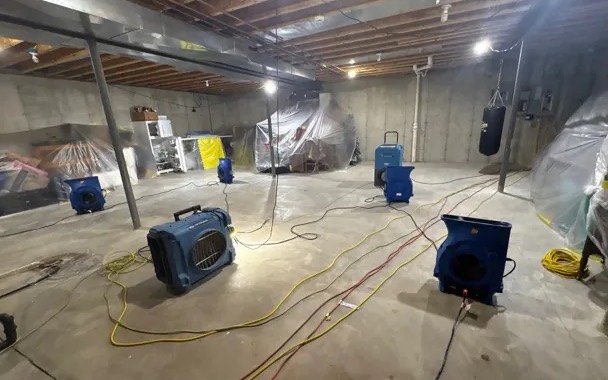
Basement Water Damage Restoration Solutions in Missouri Valley, Iowa
In Missouri Valley, a damp, musty basement or lower room often means water damage that was never fully dried. Old leaks can leave moisture in walls and under flooring long after the water is gone.
A finished basement or lower level in Missouri Valley or Logan, Honey Creek and Fort Calhoun can hide old moisture behind drywall and flooring. The pros find the water and dry the space before more damage sets in.
Complete Basement Water Damage Restoration for Missouri Valley
Basement Floor Water Removal
Water on a concrete floor is squeegeed and extracted, and floor coverings such as carpet, vinyl or laminate are lifted to dry the slab.
Basement Mold Prevention
After drying, an antimicrobial can be applied to framing and concrete that were wet, to slow mold on surfaces that stay in place.
Emergency Basement Flood Cleanup
Emergency cleanup starts with stopping the source where possible, checking for electrical hazards and pumping out the water.
Basement Drying Services
Drying a basement takes longer than drying an upper floor because the air is cool and the concrete holds moisture.
Basement Sewer Backup Cleanup
Porous materials touched by sewage, such as carpet, pad and lower drywall, are removed. Concrete and framing are cleaned and disinfected.
Signs of Basement Water Damage in Missouri Valley
Condensation on Windows or Pipes
Water beading on cold pipes or basement windows shows high humidity that keeps materials damp.
Efflorescence on Concrete Walls
White, chalky deposits on concrete walls mean water is moving through the concrete and leaving minerals behind.
Rusted Appliances or Pipes
Rust on the water heater, furnace base or pipes points to repeated moisture or past flooding.
Peeling Paint or Wallpaper
Paint that peels or blisters on basement walls often has moisture behind it.
How Basement Water Damage Restoration Works in Missouri Valley
Step 1: Water Removal
Pumps and extractors remove standing water from the basement floor, starting at the lowest point.
Step 2: Targeted Moisture Evaporation
Air movers are aimed at wet walls, framing and the slab to speed evaporation.
Step 3: Humidity Control
Large dehumidifiers pull moisture from the basement air, with readings checked every day.
Step 4: Final Verification and Restoration
Final readings confirm the basement is dry, and the space is ready for drywall and flooring repairs.
Common Causes of Water Damage in Missouri Valley
Plumbing Pipe Bursts or Leaks
Supply lines and drain pipes in basement ceilings can crack or burst onto the floor below.
Faulty Basement Waterproofing
Old or failed waterproofing on foundation walls lets water through during wet weather.
Window Well Flooding
Window wells without drains or covers fill with rain and leak through basement windows.
Water Heater or Appliance Leaks
Water heaters, washers and utility sinks in the basement can leak or fail without warning.
Basement Water Damage Restoration for Homes and Businesses in Missouri Valley
Residential Basement Water Damage Restoration
A sewer backup in a home basement needs contaminated carpet, pad and drywall removed and every hard surface disinfected before drying.
Commercial Basement Water Damage Restoration
In restaurants and stores with basements, sewage backups need fast containment so contamination does not reach food or customer areas.
Basement Water Damage Restoration: Professional Help vs. Doing It Yourself in Missouri Valley
If a small leak left a puddle on bare concrete, a wet vac and a dehumidifier may be enough. Call local water damage pros if water reached drywall, carpet or framing, or if it came from a sewer drain.
Cost Considerations for Basement Water Damage Restoration in Missouri Valley
Waterproofing or sump pump replacement is a separate cost from water removal and drying. In Missouri Valley, both may be needed to prevent a repeat.
Drying Time Required
Basements dry slowly, and longer drying means more equipment days and monitoring visits.
Secondary Damage
Damage to furnaces, water heaters and belongings adds repair and replacement costs.
Emergency Service
Night, weekend and storm calls can cost more than a scheduled visit.
Does Insurance Cover Basement Water Damage Restoration?
Coverage for basement water damage restoration depends on where the water came from and your policy terms. The pros document the damage, and your insurer decides what is covered.
The Value of Local Pros for Basement Water Damage Restoration in Missouri Valley
Containment Strategies
Plastic sheeting keeps contaminated areas separate from clean parts of the house.
Water Type Handling
Clean water, gray water and sewage are each handled with the right protection and removal steps.
Industrial-Grade Equipment
Pumps, extractors and large dehumidifiers remove water much faster than household wet vacs and fans.
24/7 Emergency Basement Water Damage Restoration in Missouri Valley
Every hour of standing water in a basement means more drywall and flooring to replace. Call (402) 704-4921 for basement water damage restoration in Missouri Valley.
Call Now (402) 704-4921Regions Served for Basement Water Damage Restoration Near Missouri Valley
Besides Missouri Valley, local water damage pros handle basement pumping, drying and dehumidification in nearby Logan, Honey Creek and Fort Calhoun.
- Basement Water Damage Restoration in Logan
- Basement Water Damage Restoration in Honey Creek
- Basement Water Damage Restoration in Fort Calhoun
- Basement Water Damage Restoration in Blair
- Basement Water Damage Restoration in Crescent
- Basement Water Damage Restoration in Neola
- Basement Water Damage Restoration in Woodbine
- Basement Water Damage Restoration in Kennard
- Emergency Damage Restoration in 51555
- Storm Damage Restoration in 51555
- Water Damage Restoration in 51555
- Water Extraction Service in 51555
- Water Leak Detection in 51555
- Water Removal Service in 51555
FAQ for Basement Water Damage Restoration in Missouri Valley
Is basement floor water removal different from carpet extraction?
Yes. Bare concrete is squeegeed and dried, while carpet and pad need extraction, and the pad is usually replaced.
Should I try below-grade waterproofing myself after flooding?
Sealing a small crack can be a DIY job, but drying must come first, and larger waterproofing work should go to a contractor.
What is involved in basement water damage restoration?
Pumping out water, removing soaked materials, cleaning contaminated areas, drying walls, framing and concrete, and dehumidifying until readings are normal.
How is basement restoration documented for insurance?
With photos of the water level and damage, moisture readings, a list of removed materials and daily drying logs.
What are signs of hidden moisture after below-grade water extraction?
Musty smells, tide lines on walls, damp carpet edges and moisture readings that stay high in walls or the slab.