Crescent, IA · Pottawattamie County
Basement Water Damage Restoration in Crescent, IABasement Floor Water Removal & Emergency Basement Flood Cleanup
Basement Water Damage Restoration in Crescent runs from basement water extraction and basement floor water removal to basement dehumidification.
Answered 24/7
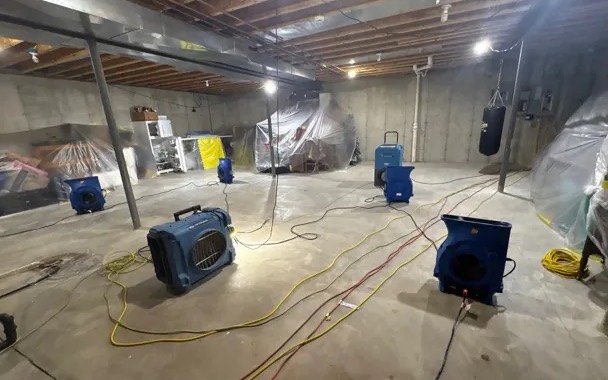
Local Basement Water Damage Restoration Near Crescent
Water in a basement does not stay on the floor. It wicks up drywall, soaks insulation and seeps into wood framing. In Crescent, a few inches of water can damage walls up to two feet high.
One burst pipe or heavy storm in Crescent can flood a basement. Local restoration pros serve Crescent and nearby Honey Creek, Carter Lake and Council Bluffs, with help available around the clock.
Complete Basement Water Damage Restoration for Crescent
Basement Floor Water Removal
Water on a concrete floor is squeegeed and extracted, and floor coverings such as carpet, vinyl or laminate are lifted to dry the slab.
Emergency Basement Flood Cleanup
A flooded basement can damage furnaces, water heaters and stored items quickly. Fast pumping limits how much is lost.
Basement Dehumidification
Large dehumidifiers pull moisture from the basement air so walls, framing and the slab can release their water.
Basement Wall Drying
Finished basement walls hide wet insulation and framing. Removing the bottom of the drywall lets air reach the cavity.
Basement Drying Services
Drying a basement takes longer than drying an upper floor because the air is cool and the concrete holds moisture.
Indicators for Basement Water Damage Restoration in Crescent
Standing Water in the Basement
Any standing water on the basement floor needs pumping right away, before it soaks walls and framing.
Mold on Surfaces
Dark spots on drywall, framing or stored boxes mean the area has stayed wet for days.
Condensation on Windows or Pipes
Water beading on cold pipes or basement windows shows high humidity that keeps materials damp.
High Humidity Levels Below-Grade
A basement that stays damp and clammy even on dry days has a moisture source that needs attention.
How Basement Water Damage Restoration Works in Crescent
Step 1: Water Removal
Pumps and extractors remove standing water from the basement floor, starting at the lowest point.
Step 2: Targeted Moisture Evaporation
Air movers are aimed at wet walls, framing and the slab to speed evaporation.
Step 3: Humidity Control
Large dehumidifiers pull moisture from the basement air, with readings checked every day.
Step 4: Final Verification and Restoration
Final readings confirm the basement is dry, and the space is ready for drywall and flooring repairs.
Typical Sources of Basement Water Damage in Crescent
HVAC Condensate Line Overflow
A clogged furnace or air conditioner condensate line can overflow onto the floor of a basement or lower-level utility room.
Failed or Clogged Drain Tile
Clogged or collapsed drain tile around the foundation lets water build up against the walls.
Overland Flooding From Storms
Heavy storms and snowmelt can send surface water into basements through doors and walls.
Plumbing Pipe Bursts or Leaks
Supply lines and drain pipes in basement ceilings can crack or burst onto the floor below.
Basement Water Damage Restoration for All Properties in Crescent
Residential Basement Water Damage Restoration
Finished basements used as living space need carpet, pad and lower drywall checked carefully. Soaked materials are removed so the walls and slab can dry.
Commercial Basement Water Damage Restoration
Businesses with below-grade storage need inventory moved out of the water quickly. Wet stock is separated and documented for insurance.
DIY vs. Professional Basement Water Damage Restoration in Crescent
Fans alone can push damp air into the rest of the house. Basement drying needs dehumidifiers to pull the moisture out of the air and the concrete.
Basement Water Damage Restoration Cost in Crescent, IA
Waterproofing or sump pump replacement is a separate cost from water removal and drying. In Crescent, both may be needed to prevent a repeat.
Material Saturation
Finished basements with carpet, drywall and insulation take more removal work than bare concrete.
Dehumidification Needs
Large dehumidifiers may need to run longer in below-grade spaces than in upper floors.
Emergency Service
Night, weekend and storm calls can cost more than a scheduled visit.
Does Insurance Cover Basement Water Damage Restoration?
Photos, moisture readings and drying logs from local restoration pros help support an insurance claim for basement water damage in Crescent.
Reasons to Hire Local Pros for Basement Water Damage Restoration in Crescent
Containment Strategies
Plastic sheeting keeps contaminated areas separate from clean parts of the house.
Mold Prevention Focus
Fast drying is the main way to limit microbial growth in a below-grade space.
Structural Integrity Assessment
Walls, stairs and framing are checked for damage before work begins in the basement.
Emergency Basement Water Damage Restoration Available in Crescent
If water is near outlets or the electrical panel, do not walk into it. Call (402) 704-4921 for help in Crescent and wait for the power to be made safe.
Call Now (402) 704-4921Basement Water Damage Restoration Serving Crescent, Honey Creek, Carter Lake and Council Bluffs
Nearby areas served for basement water damage restoration include Honey Creek, Carter Lake and Council Bluffs, with the same pumping and drying steps used in Crescent.
- Basement Water Damage Restoration in Honey Creek
- Basement Water Damage Restoration in Carter Lake
- Basement Water Damage Restoration in Council Bluffs
- Basement Water Damage Restoration in Midtown
- Basement Water Damage Restoration in Underwood
- Basement Water Damage Restoration in Neola
- Basement Water Damage Restoration in Dundee
- Basement Water Damage Restoration in Fort Calhoun
- Emergency Damage Restoration in 51526
- Storm Damage Restoration in 51526
- Water Damage Restoration in 51526
- Water Extraction Service in 51526
- Water Leak Detection in 51526
- Water Removal Service in 51526
Basement Water Damage Restoration Common Questions Answered
What causes the most common below-grade leaks in homes?
Sump pump failures, foundation cracks, clogged drain tile, sewer backups and burst pipes in the basement ceiling.
What does below-grade moisture removal include beyond pumping?
Extracting carpet and pad, opening wet walls, running air movers and dehumidifiers, and checking readings until dry.
What equipment is used for below-grade water damage repair?
Submersible pumps, extractors, air movers, large dehumidifiers, moisture meters and air scrubbers for dust and odor.
What are signs of hidden moisture after below-grade water extraction?
Musty smells, tide lines on walls, damp carpet edges and moisture readings that stay high in walls or the slab.
How long does below-grade drying take after a flood?
Often several days or longer, since concrete and cool basement air dry slowly. Daily readings show progress.