Logan, IA · Harrison County
AC Unit Water Removal in Logan, IAAC Leak Water Extraction & AC Drain Pan Water Extraction
AC Unit Water Removal in Logan includes emergency AC water removal, AC drain pan water extraction and AC condensate drain clearing for leaking units.
Answered 24/7
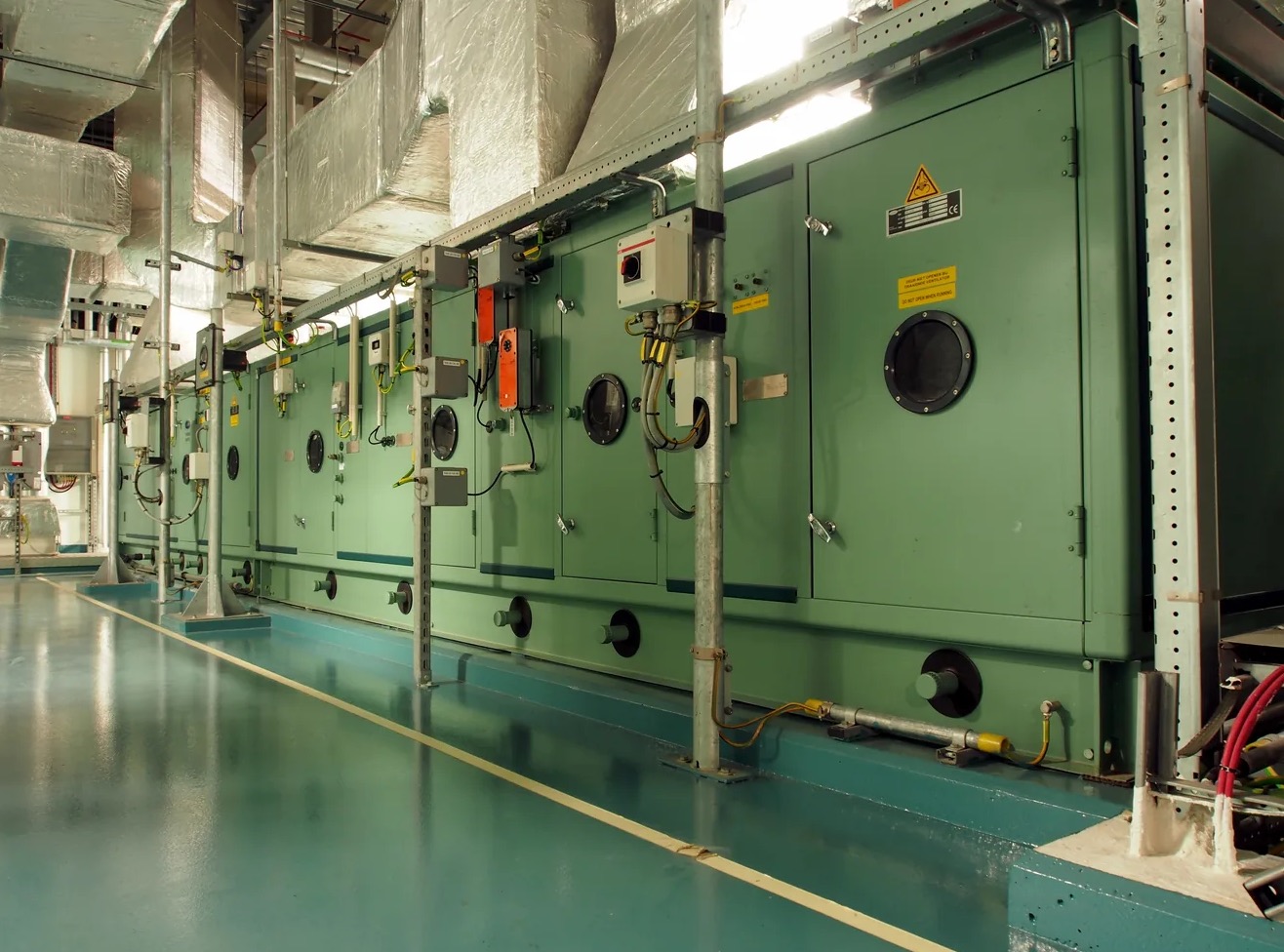
Expert AC Unit Water Removal for Logan Homes
When water drips from a ceiling vent or pools around the furnace closet in Logan, the AC drain is the usual suspect. A clogged condensate line sends water back into the pan until it spills over.
A leaking AC in Logan rarely fixes itself, and the water keeps soaking the same drywall and subfloor until the drain is cleared. Local air conditioner restoration pros serve Logan and nearby Missouri Valley, Woodbine and Honey Creek, with help available around the clock for leaks of any size.
Detailed AC Unit Water Removal Offerings for Logan
AC Leak Water Extraction
Extraction is followed by drying with air movers and dehumidifiers, with daily readings to track progress.
AC Drain Pan Water Extraction
A soaked pan in an attic unit is a ceiling leak waiting to happen. Extracting it quickly protects the drywall underneath.
AC Leak Mold Prevention
Once materials are dry, an EPA-registered antimicrobial can be applied to wet wood and drywall near the unit to slow microbial growth.
Wet AC Unit Component Drying
Air movers and a dehumidifier are set around the unit, and moisture readings are taken until the metal and insulation test dry.
Emergency AC Water Removal
Help is available day or night for leaks that start after hours, when water dripping from an attic unit cannot wait until morning.
Signs of AC Water Damage Requiring Removal
Water on the Floor
A puddle around the air handler or furnace closet is the most direct sign of a leak.
High Indoor Humidity Levels
Rooms that feel clammy while the AC runs may mean water is not draining and is evaporating back into the air.
AC Drain Pan Overflow
Water at the rim of the drain pan, or in the secondary pan, means the condensate line is blocked.
Reduced Cooling Efficiency
A clogged drain can trip a float switch or starve the coil of airflow, so the system runs longer and cools less.
How AC Unit Water Removal Works in Logan
Step 1: AC Unit Flood Cleanup
Water is extracted quickly to keep it from soaking into insulation, framing and the ceiling below.
Step 2: Drain Line Diagnosis and Clearing
The drain line is inspected for clogs, sags or loose fittings and cleared so water drains outside.
Step 3: Structural and Unit Drying
Air movers and dehumidifiers run around the unit, with daily moisture checks on walls and floors.
Step 4: System Check and Cleanup
The pan is cleaned, the drain is tested with water and the area is left dry.
What Leads to AC Unit Water Removal Needs in Logan
Clogged AC Condensation Line
Algae and sludge build up in the drain line over a cooling season until water backs up into the pan.
Dirty Air Filters
A clogged filter cuts airflow, which can freeze the coil and cause overflow when it melts.
Improper AC Unit Installation
A unit that is not level, or a drain line without enough slope, lets water pool instead of draining.
Frozen Evaporator Coils Thawing
A coil that freezes from low airflow sheds a large amount of water at once when it thaws.
Expert AC Unit Water Removal for Any Property in Logan
Residential AC Unit Water Removal
For homeowners, the main risk is water soaking into insulation and drywall where no one sees it. Moisture meters find that hidden water so it can be dried before it causes rot.
Commercial AC Unit Water Removal
For property managers, one leaking unit can affect several suites or the floor below. Each wet area is extracted, dried and documented for the owner and insurer.
AC Unit Water Removal vs. DIY: When to Call the Pros
A wet vac on the condensate line outlet clears many simple clogs. If the ceiling below an attic unit is stained or sagging, stay out from under it and call (402) 704-4921 instead of poking holes in it.
Factors Influencing AC Unit Water Removal Cost in Logan
An attic unit that leaked all night costs more to fix than a closet leak caught the same day. In Logan, calling early is the simplest way to keep the bill down.
Documentation Needs
Detailed photos and moisture logs for an insurance claim add some time to the job.
Secondary Damage Presence
Wet ceilings, swollen baseboards or damp framing add removal and repair work to the job.
Required Drying Time
Dense materials and enclosed spaces take longer to dry, which means more equipment days.
Does Insurance Cover AC Unit Water Removal?
Ask your adjuster whether clearing the condensate line is covered or treated as routine maintenance, since policies differ. The water damage to ceilings, walls and floors is often handled separately from the unit.
Reasons to Select Local Pros in Logan for AC Unit Water Removal
Air Conditioner Restoration Focus
Drywall, trim and ceiling repairs can be handled after drying, so one job covers the whole leak.
Preventative Microbial Treatment
Optional antimicrobial treatment can be applied to wood and drywall that stayed wet for days.
Clear Process Communication
Each step is explained before work starts, so you know what is being removed and why.
Round-the-Clock Emergency AC Unit Water Removal in Logan
If water is near wiring or the breaker keeps tripping, turn off power to the unit and stay clear of the wet area. Then call (402) 704-4921 for help in Logan.
Call Now (402) 704-4921AC Unit Water Removal Service Area Including Logan
Besides Logan, local air conditioner restoration pros handle AC leaks, wet ceilings and clogged condensate lines in nearby Missouri Valley, Woodbine and Honey Creek, day or night.
- AC Unit Water Removal in Missouri Valley
- AC Unit Water Removal in Woodbine
- AC Unit Water Removal in Honey Creek
- AC Unit Water Removal in Neola
- AC Unit Water Removal in Dunlap
- AC Unit Water Removal in Fort Calhoun
- AC Unit Water Removal in Crescent
- AC Unit Water Removal in Blair
- Emergency Damage Restoration in 51546
- Storm Damage Restoration in 51546
- Water Damage Restoration in 51546
- Water Extraction Service in 51546
- Water Leak Detection in 51546
- Water Removal Service in 51546
AC Unit Water Removal FAQs
Is air conditioner restoration separate from water removal?
Yes. Water removal and drying come first. Restoration covers repairs afterward, such as replacing drywall or ceiling panels.
What clogs an AC condensate line?
Algae, sludge, dust and debris build up inside the line, especially over long cooling seasons, until water backs up into the pan.
Why document AC water damage?
Photos and moisture readings show what got wet and how it was dried, which helps your insurance claim.
How long does drying take after an AC leak?
Often several days, depending on the materials and how long they were wet. Daily readings track progress.
How quickly should I deal with an AC leak?
Right away. Water that sits for more than a day or two soaks into drywall and insulation and raises the risk of microbial growth.