Blair, NE · Washington County
AC Unit Water Removal in Blair, NEAC Leak Water Cleanup & Wet AC Unit Component Drying
AC Unit Water Removal in Blair runs from emergency AC water removal and AC leak water cleanup to air conditioner restoration services.
Answered 24/7
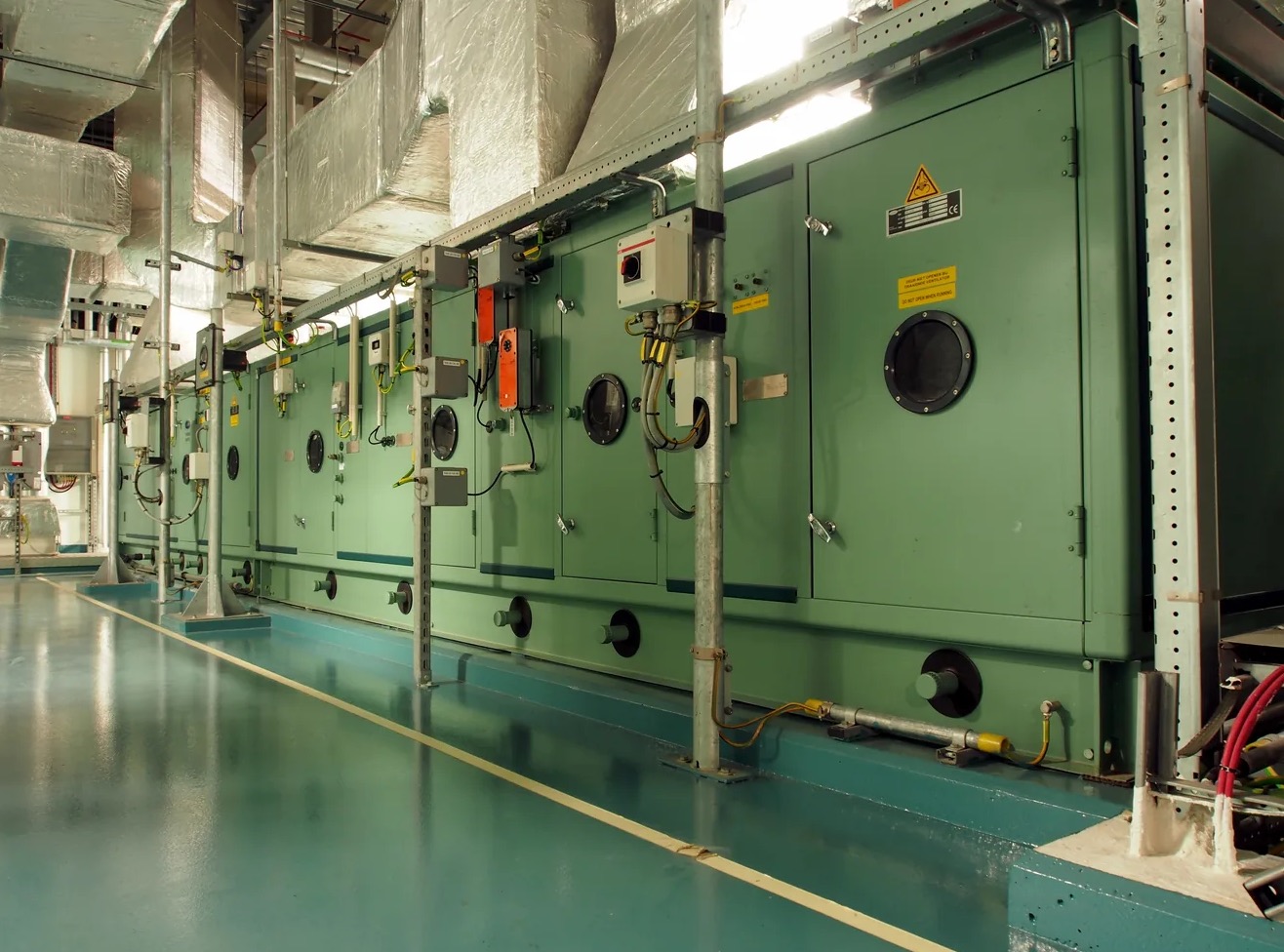
AC Unit Water Removal Near Blair: What to Expect
When water drips from a ceiling vent or pools around the furnace closet in Blair, the AC drain is the usual suspect. A clogged condensate line sends water back into the pan until it spills over.
A leaking AC in Blair rarely fixes itself, and the water keeps soaking the same drywall and subfloor until the drain is cleared. Local water extraction experts serve Blair and nearby Kennard, Fort Calhoun and Washington, with help available around the clock for leaks of any size.
Comprehensive AC Unit Water Removal Solutions in Blair
AC Leak Water Cleanup
Cleanup starts at the drain pan and works outward, removing pooled water and wet debris so drying can begin.
Wet AC Unit Component Drying
Damp insulation inside the cabinet holds water for a long time. It is dried in place or replaced if it stays wet.
AC Condensate Drain Clearing
The PVC drain line is cleared with suction or a flush, and the trap is checked so water stops backing up into the pan.
AC Leak Mold Prevention
Antimicrobial treatment is an add-on step after drying, not a substitute for removing wet materials that cannot be saved.
Emergency AC Water Removal
Fast extraction limits how far the water travels into framing and insulation, and lets drying equipment go in sooner.
How to Know You Need AC Unit Water Removal in Blair
Water on the Floor
A puddle around the air handler or furnace closet is the most direct sign of a leak.
AC Drain Pan Overflow
Water at the rim of the drain pan, or in the secondary pan, means the condensate line is blocked.
Musty Odors From Vents
A musty smell when the AC starts often means standing water in the pan or wet insulation in the ducts.
Wet AC Unit Components
Damp coils, a wet blower compartment or moisture around wiring inside the cabinet mean water is collecting where it should not.
How AC Unit Water Removal Works in Blair
Step 1: Leak Assessment
The pros find the source of the leak, check how far the water spread and take moisture readings.
Step 2: Source Stop and Water Removal
The drain is cleared or the leaking part isolated, then standing water is extracted from every wet area.
Step 3: System Drying and Dehumidification
Drying equipment runs until walls, floors and insulation test dry, with readings taken at each visit.
Step 4: Verification and Restoration
Final readings confirm the materials are dry, then damaged drywall, trim or ceiling panels can be replaced.
What Leads to AC Unit Water Removal Needs in Blair
High Static Pressure in Ducts
Restricted ducts can pull water off the coil and blow it into the cabinet or ductwork.
Disconnected Drain Line
A drain line knocked loose in the attic or closet empties condensate onto the ceiling or floor.
Damaged AC Drain Pan
Metal pans rust through and plastic pans crack with age, letting water drip straight through.
Improper AC Unit Installation
A unit that is not level, or a drain line without enough slope, lets water pool instead of draining.
Both Residential & Commercial AC Unit Water Removal in Blair
Residential AC Unit Water Removal
For homeowners, the main risk is water soaking into insulation and drywall where no one sees it. Moisture meters find that hidden water so it can be dried before it causes rot.
Commercial AC Unit Water Removal
For property managers, one leaking unit can affect several suites or the floor below. Each wet area is extracted, dried and documented for the owner and insurer.
AC Unit Water Removal vs. DIY: When to Call the Pros
You can turn off the AC, empty the pan and towel up a puddle yourself. Moisture already inside drywall or subflooring is harder, because it takes meters to find and drying equipment to remove it.
Estimating Your AC Unit Water Removal Cost in Blair
In Blair, most of the cost comes from extraction, equipment days and any drywall or insulation that has to be replaced. A walk-through sets the scope before work starts.
Required Drying Time
Dense materials and enclosed spaces take longer to dry, which means more equipment days.
System Restoration Complexity
Replacing drywall, insulation or trim after drying adds material and labor to the total.
Documentation Needs
Detailed photos and moisture logs for an insurance claim add some time to the job.
Does Insurance Cover AC Unit Water Removal?
Ask your adjuster whether clearing the condensate line is covered or treated as routine maintenance, since policies differ. The water damage to ceilings, walls and floors is often handled separately from the unit.
Benefits of Local Pros for AC Unit Water Removal in Blair
Industry Drying Standards
Drying follows industry water damage standards, with moisture readings at each visit.
24/7 Emergency Response
Help is available any hour, which matters when an attic unit starts leaking into a ceiling at night.
Air Conditioner Restoration Focus
Drywall, trim and ceiling repairs can be handled after drying, so one job covers the whole leak.
24/7 AC Unit Water Removal for Emergencies in Blair
Do not wait for a stained ceiling to start sagging under the weight of the water. Call (402) 704-4921 now for AC unit water removal in Blair and get the drying started.
Call Now (402) 704-4921AC Unit Water Removal Available in Blair and Surrounding Towns
Help with AC unit water removal reaches Kennard, Fort Calhoun and Washington, plus other communities around Blair, for houses, apartments and commercial buildings with leaking AC units.
- AC Unit Water Removal in Kennard
- AC Unit Water Removal in Fort Calhoun
- AC Unit Water Removal in Washington
- AC Unit Water Removal in Bennington
- AC Unit Water Removal in Arlington
- AC Unit Water Removal in Missouri Valley
- AC Unit Water Removal in Nickerson
- AC Unit Water Removal in Honey Creek
- Emergency Damage Restoration in 68008
- Storm Damage Restoration in 68008
- Water Damage Restoration in 68008
- Water Extraction Service in 68008
- Water Leak Detection in 68008
- Water Removal Service in 68008
AC Unit Water Removal FAQs
What clogs an AC condensate line?
Algae, sludge, dust and debris build up inside the line, especially over long cooling seasons, until water backs up into the pan.
How quickly should I deal with an AC leak?
Right away. Water that sits for more than a day or two soaks into drywall and insulation and raises the risk of microbial growth.
What happens during AC water extraction?
Pumps and extractors remove water from the pan, floor and carpet, then moisture meters check walls and subfloor for hidden water.
How does antimicrobial treatment help after an AC leak?
Once surfaces are dry, an antimicrobial can be applied to wood and drywall that stayed wet to slow microbial growth.
Can an AC condensation leak damage the ceiling?
Yes. Attic units leak straight into the drywall below, causing stains, sagging and eventually collapse if left alone.