Crescent, IA · Pottawattamie County
AC Unit Water Removal in Crescent, IAEmergency AC Water Removal & Air Conditioner Restoration Services
Get AC unit water removal in Crescent: AC leak water extraction, wet AC unit component drying and air conditioner restoration services.
Answered 24/7
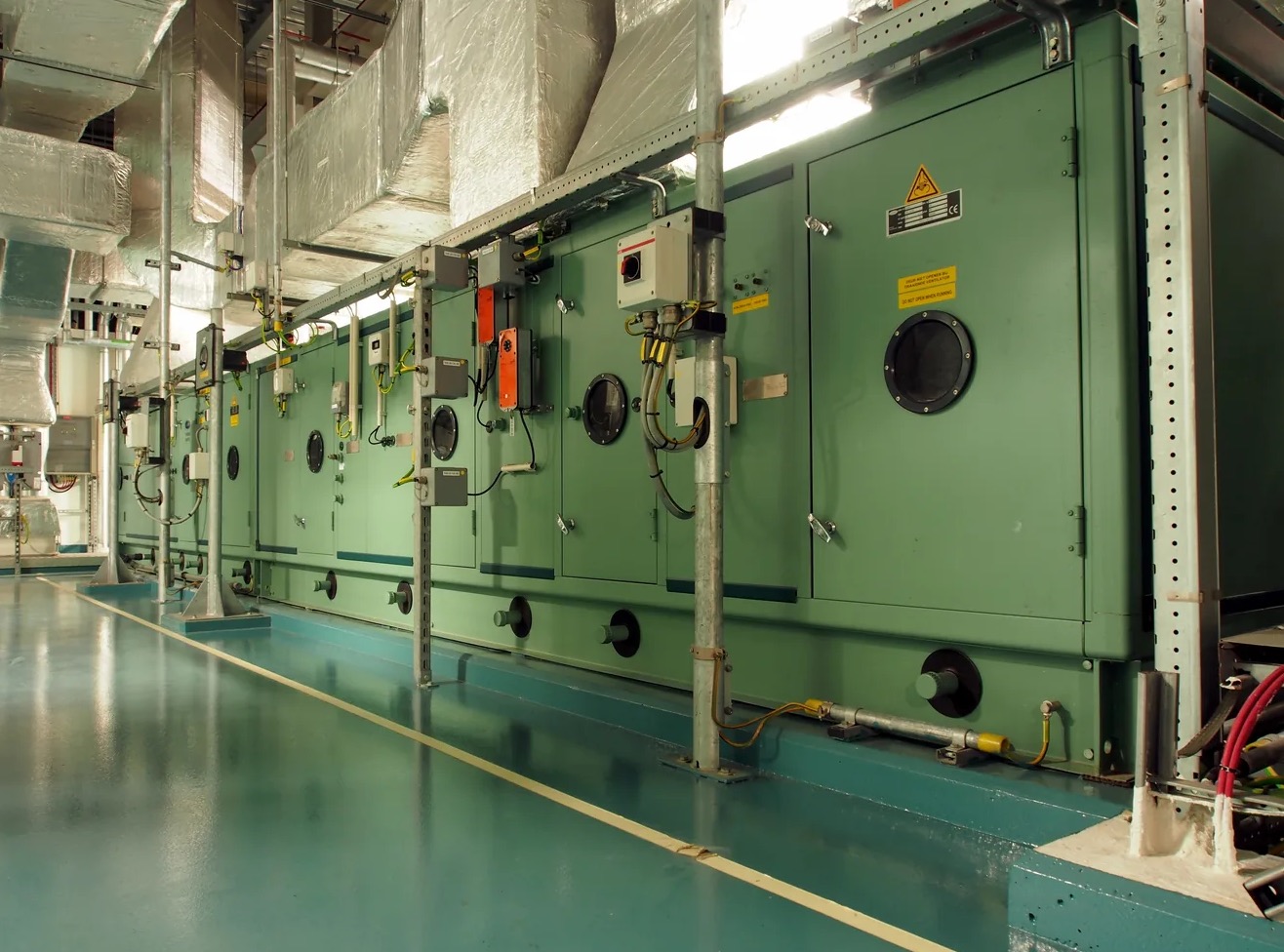
Professional AC Unit Water Removal in Crescent, IA
An air conditioner pulls gallons of water out of the air on a hot day. When the drain line clogs or the pan cracks, that water lands on ceilings, walls and floors in Crescent homes instead of draining outside.
Property owners in Crescent can call (402) 704-4921 day or night when an air handler starts leaking. Service also covers Honey Creek, Carter Lake and Council Bluffs, with the same extraction, drain clearing and drying process for attic, closet and garage units in houses, condos and apartments.
AC Unit Water Removal Services in Crescent
Emergency AC Water Removal
Fast extraction limits how far the water travels into framing and insulation, and lets drying equipment go in sooner.
Air Conditioner Restoration Services
After drying, damaged drywall, trim or ceiling panels near the unit can be replaced and repainted.
AC Drain Pan Water Extraction
Both the primary pan and the secondary safety pan are emptied, and the pan is inspected for rust holes or cracks.
Wet AC Unit Component Drying
Air movers and a dehumidifier are set around the unit, and moisture readings are taken until the metal and insulation test dry.
AC Condensate Drain Clearing
A clogged condensate line is the most common reason an AC unit leaks. The pros flush out algae and sludge so condensate drains away again.
Signs of AC Water Damage Requiring Removal
Visible Mold Near AC
Dark spots on drywall or framing near the unit mean the area has stayed wet for days.
Condensation Line Dripping
A condensate line that drips inside instead of outside has a crack, loose fitting or clog.
Water Stains on Walls
Brown rings or peeling paint on the ceiling under an attic unit, or on walls near the closet, point to a slow leak.
Wet AC Unit Components
Damp coils, a wet blower compartment or moisture around wiring inside the cabinet mean water is collecting where it should not.
How AC Unit Water Removal Works in Crescent
Step 1: Leak Assessment
The pros find the source of the leak, check how far the water spread and take moisture readings.
Step 2: Source Stop and Water Removal
The drain is cleared or the leaking part isolated, then standing water is extracted from every wet area.
Step 3: System Drying and Dehumidification
Drying equipment runs until walls, floors and insulation test dry, with readings taken at each visit.
Step 4: Verification and Restoration
Final readings confirm the materials are dry, then damaged drywall, trim or ceiling panels can be replaced.
Why AC Units Leak and Need Water Removal
Improper AC Unit Installation
A unit that is not level, or a drain line without enough slope, lets water pool instead of draining.
Clogged AC Condensation Line
Algae and sludge build up in the drain line over a cooling season until water backs up into the pan.
Damaged AC Drain Pan
Metal pans rust through and plastic pans crack with age, letting water drip straight through.
Age and Component Wear
Older units have worn fittings, brittle seals and corroded pans that start leaking together.
Both Residential & Commercial AC Unit Water Removal in Crescent
Residential AC Unit Water Removal
In apartments and condos, an AC leak can spread through the floor or ceiling to the unit below. Fast extraction limits the spread and the number of neighbors affected.
Commercial AC Unit Water Removal
In restaurants and retail spaces, water near equipment, wiring and walkways is removed first. That reduces slip and electrical hazards while the rest of the area dries.
AC Unit Water Removal vs. DIY: When to Call the Pros
DIY works for a small puddle on tile that you catch right away and wipe dry. Wet carpet and pad, or drywall that feels soft, usually need professional extraction and drying equipment to dry fully.
AC Unit Water Removal Cost in Crescent, IA
Drying equipment is usually billed by the day, so how long materials stay wet matters. Starting quickly in Crescent shortens drying time and lowers the total.
Leak Source and Severity
A slow drip near the closet costs less to fix than an attic overflow that soaked a ceiling and the room below.
Emergency Service Timing
After-hours and holiday response can cost more than a scheduled weekday visit.
Preventative Treatment Scope
Antimicrobial treatment is an optional step, priced by the size of the area treated.
Does Insurance Cover AC Unit Water Removal?
Ask your adjuster whether clearing the condensate line is covered or treated as routine maintenance, since policies differ. The water damage to ceilings, walls and floors is often handled separately from the unit.
Benefits of Local Pros for AC Unit Water Removal in Crescent
24/7 Emergency Response
Help is available any hour, which matters when an attic unit starts leaking into a ceiling at night.
Detailed Moisture Documentation
Photos and moisture readings are recorded at each visit to support your insurance claim.
Focus on Component Preservation
Wet blower motors and wiring are dried gently to lower the risk of corrosion and electrical faults.
Emergency AC Unit Water Removal Available 24/7 in Crescent
Night, weekend or holiday, local water extraction experts handle leaking AC units in Crescent. Call (402) 704-4921 to get the water out, the condensate drain cleared and drying started.
Call Now (402) 704-4921AC Unit Water Removal Service Area Including Crescent
Help with AC unit water removal reaches Honey Creek, Carter Lake and Council Bluffs, plus other communities around Crescent, for houses, apartments and commercial buildings with leaking AC units.
- AC Unit Water Removal in Honey Creek
- AC Unit Water Removal in Carter Lake
- AC Unit Water Removal in Council Bluffs
- AC Unit Water Removal in Midtown
- AC Unit Water Removal in Underwood
- AC Unit Water Removal in Neola
- AC Unit Water Removal in Dundee
- AC Unit Water Removal in Fort Calhoun
- Emergency Damage Restoration in 51526
- Storm Damage Restoration in 51526
- Water Damage Restoration in 51526
- Water Extraction Service in 51526
- Water Leak Detection in 51526
- Water Removal Service in 51526
AC Unit Water Removal FAQs
What is involved in AC unit water removal?
Standing water is extracted, the condensate line is cleared, and wet materials are dried with air movers and dehumidifiers until moisture readings are normal.
Does homeowners insurance cover water damage from an HVAC unit?
Sudden leaks are often covered, but slow leaks and the unit itself usually are not. Check your policy.
What equipment is used to dry AC leak damage?
Extractors, air movers, dehumidifiers and moisture meters, plus wet vacs or pumps for the drain line.
What are signs I need water removed from around my air conditioner?
Puddles near the unit, ceiling stains, a musty smell, a full drain pan or an AC that shuts off on its own.
What should I do while waiting for help with an AC leak?
Turn off the AC, place towels or a bucket under the drip, move belongings out of the way and take photos.