Millard, NE · Douglas County
Water Damage Mitigation in Millard, NEWet Carpet Drying & Structural Drying Services
In Millard, water damage mitigation includes structural drying services, water damaged drywall repair and floor water damage cleanup.
Answered 24/7
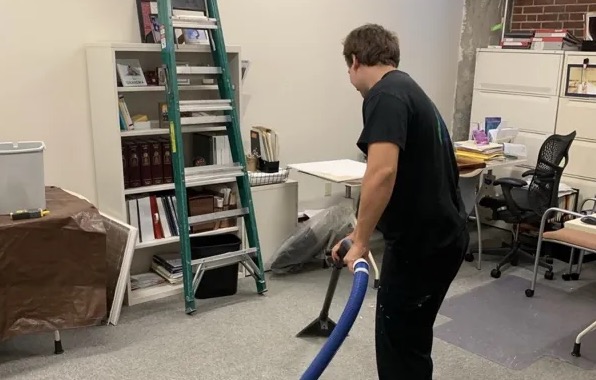
Emergency Water Damage Mitigation for Millard Homes
Water damage mitigation is the first response when water gets into a property. Delays let drywall weaken and give mold time to start.
In Millard, part of Omaha, restoration pros dry homes and carpets to industry standards after water damage, also serving homes near Chalco, Boys Town and Ralston.
Water Damage Mitigation and Drying Services in Millard
Wet Carpet Drying
For carpets affected by clean water, professional drying is preferred. The pros assess the carpet's condition.
Structural Drying Services
Thorough structural drying protects a home's integrity. The pros in Millard set up balanced drying systems.
Emergency Water Extraction
The pros employ industrial-grade equipment to remove standing water. This action stops water migration and reduces overall drying time.
Water Damaged Drywall Repair
Drywall repair is a common part of water damage mitigation. The pros cut out sagging or stained drywall.
Floor Water Damage Cleanup
Floor water damage cleanup often requires removing sections of flooring to dry the subfloor directly.
Signs Your Home Needs Water Damage Mitigation
Musty Odors in Your Home
Persistent musty smells often indicate hidden moisture and potential mold growth after a water leak.
Water Dripping From Ceiling
Active dripping, even off and on, means a leak that is wetting the structure every time.
Warping or Buckling Floorboards
Wood floors that are warping, cupping, or buckling have likely absorbed significant moisture.
Mold or Mildew Growth
Black, green or white fuzzy spots on surfaces are usually mold, caused by moisture that has stayed too long.
How Water Damage Mitigation Works in Millard
Step 1: Source Stop and Safety Check
The first action is to confirm the water source is stopped and ensure the area is electrically safe.
Step 2: Complete Flooded Home Drying
For a flooded home drying project, industrial-grade air movers and dehumidifiers are set up in a calculated pattern.
Step 3: Focused Wet Carpet Drying
Special attention is given to wet carpet drying, using extractors, matting, and lifters to dry carpet, pad, and subfloor simultaneously to prevent delamination and odor.
Step 4: Continuous Moisture Monitoring
The pros monitor moisture levels in materials daily, adjusting equipment as needed. They help ensure all structural components meet industry-standard dryness criteria before concluding.
Typical Water Damage Origins in Millard
Faulty or Leaking Sink Drains
Slow leaks under sinks from loose connections or deteriorated seals cause persistent moisture and rot.
Clogged or Overflowing Gutters
Gutters blocked by debris force water to overflow and pool near the foundation, leading to seepage.
Roof Leaks From Storm Damage
Missing shingles, compromised flashing, or ice dams can allow water to seep into the attic and walls.
Sewage Backup or Drain Clogs
Blocked main sewer lines or septic systems can force contaminated water back into sinks, tubs, and toilets.
Residential and Commercial Water Damage Mitigation in Millard
Residential Water Damage Mitigation
In kitchens and bathrooms, local pros dry carpet, repair drywall and dry behind cabinets and under flooring to protect the home in the Millard community in Omaha.
Commercial Water Damage Mitigation
In offices, mitigation covers electrical safety, protecting computers and drying ceiling systems. The pros use commercial dehumidifiers to keep mold from starting.
Water Damage Mitigation vs. DIY: When to Call Water Removal Pros
For a small leak, wipe water off tile or vinyl and blot what you can with towels. Open windows if the weather allows. Soaked drywall, carpet or insulation needs drying by the pros in Millard.
Factors Affecting Water Damage Mitigation Cost in Millard
In Millard, cost depends on the square footage and extra steps like moisture inspection, drywall removal and mold prevention.
Content Drying Needs
Mitigating damage to furniture, documents, or other belongings adds to the project scope and the overall cost of restoration.
Water Source Category
Clean water from a supply line leak costs less to mitigate than contaminated grey or black water, which requires stricter safety protocols.
Required Drying Time
Longer drying means more equipment time and more monitoring visits, which adds cost.
Does Insurance Cover Water Damage Mitigation?
Homeowners insurance often covers water damage mitigation when it results from a sudden, internal source. The pros focus on water extraction and drying to stabilize the property, providing detailed reports for your insurer. Coverage for mold prevention after water damage varies by policy.
Why Choose Local Pros for Water Damage Mitigation in Millard
Focused Material Repair
Pros also repair common problem areas, like water-damaged drywall and wet carpet.
Structural Drying Expertise
Air movers and dehumidifiers dry walls and floors so they do not warp or grow mold.
Content Drying Focus
The pros dry furniture, documents and belongings as well as the building itself.
Emergency Water Damage Mitigation Available Around the Clock
For a water leak in Millard, call (402) 704-4921 24/7 for local pros. Starting drying quickly saves building materials, flooring and personal belongings.
Call Now (402) 704-4921The Water Damage Mitigation Service Area Includes Millard
Water damage mitigation is a critical service for homeowners in Millard and nearby areas like Chalco, Boys Town and Ralston.
- Water Damage Mitigation in Chalco
- Water Damage Mitigation in Boys Town
- Water Damage Mitigation in Ralston
- Water Damage Mitigation in La Vista
- Water Damage Mitigation in Papillion
- Water Damage Mitigation in Elkhorn
- Water Damage Mitigation in Dundee
- Water Damage Mitigation in Midtown
- Emergency Damage Restoration in 68137
- Storm Damage Restoration in 68137
- Water Damage Restoration in 68137
- Water Extraction Service in 68137
- Water Leak Detection in 68137
- Water Removal Service in 68137
- Emergency Damage Restoration in 68144
- Storm Damage Restoration in 68144
Frequently Asked Questions About Water Damage Mitigation
What is water damage mitigation?
Water damage mitigation is quick action to stop active water flow, remove standing water, and begin drying to prevent further damage and mold growth after a leak or flood.
How is mold prevented after water damage?
Fast extraction, dehumidifiers, full structural drying and sometimes EPA-registered antimicrobial agents on wet surfaces.
What happens during a water damage inspection?
A water damage inspection assesses the source, category of water, extent of affected areas, and materials involved to create a scope for the necessary mitigation and drying plan.
What equipment is used for water removal service?
Pros use truck-mounted or portable extractors for water removal, followed by industrial-grade air movers, dehumidifiers, and moisture meters to dry the structure completely.
What does structural drying involve?
Air movers and dehumidifiers pull moisture out of wood, drywall and concrete until readings are back to normal.