Millard, NE · Douglas County
Basement Water Damage Restoration in Millard, NEBasement Drying Services & Basement Mold Prevention
Basement Water Damage Restoration in Millard includes emergency basement flood cleanup, basement sewer backup cleanup and basement wall drying.
Answered 24/7
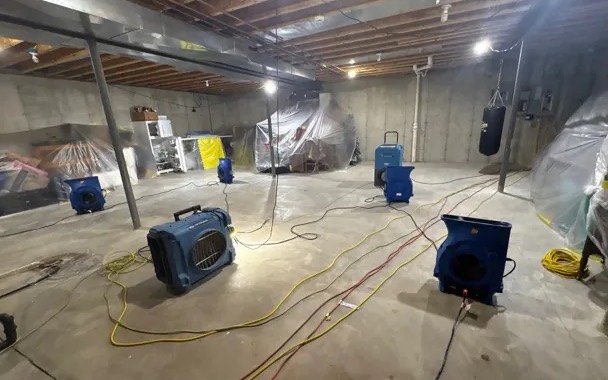
Professional Basement Water Damage Restoration in Millard, NE
Sewage backups are one of the most common problems in any basement or lower level, including in Millard. Water coming up through a floor drain or basement toilet carries bacteria and needs a different cleanup than clean water.
Homes in Millard and nearby Chalco, Boys Town and Ralston with basements deal with seepage, plumbing leaks and sewer backups. Help with basement water damage restoration covers pumping, removal of wet materials and drying of walls and concrete.
Professional Basement Water Damage Restoration Offered in Millard
Basement Drying Services
Equipment is adjusted each day based on moisture readings until every material reaches its normal level.
Basement Mold Prevention
Fast extraction and drying are the main ways to limit microbial growth in a basement. Surfaces that stayed wet can be treated once dry.
Basement Dehumidification
Large dehumidifiers pull moisture from the basement air so walls, framing and the slab can release their water.
Basement Wall Drying
Concrete and block walls are dried with directed airflow and dehumidifiers, and checked with meters until readings drop.
Basement Sewer Backup Cleanup
Sewage that backs up through a floor drain or toilet is extracted with protective gear, and the area is contained from the rest of the house.
When to Consider Basement Water Damage Restoration for Your Millard Home
Sewage Odors or Backups
Sewage smells or water coming up through a floor drain mean the sewer line is backing up.
Efflorescence on Concrete Walls
White, chalky deposits on concrete walls mean water is moving through the concrete and leaving minerals behind.
Condensation on Windows or Pipes
Water beading on cold pipes or basement windows shows high humidity that keeps materials damp.
Mold on Surfaces
Dark spots on drywall, framing or stored boxes mean the area has stayed wet for days.
How Basement Water Damage Restoration Works in Millard
Step 1: Floodwater Pump-Out
Submersible pumps remove deep water, and electrical hazards are checked before anyone walks in it.
Step 2: Deep Moisture Extraction
Extractors pull water from carpet, pad and the concrete floor after the deep water is gone.
Step 3: Air Circulation and Drying
Air movers keep dry air moving across walls and floors throughout the basement.
Step 4: Dehumidification and Verification
Dehumidifiers run until humidity and material readings confirm the basement is dry.
Why Basement Water Damage Occurs in Millard
Overland Flooding From Storms
Heavy storms and snowmelt can send surface water into basements through doors and walls.
Window Well Flooding
Window wells without drains or covers fill with rain and leak through basement windows.
Sewer Line Backups
A blocked or overloaded sewer line pushes wastewater up through basement drains and toilets.
High Water Table and Hydrostatic Pressure
A high water table pushes groundwater up through the slab and into the joints between wall and floor.
Both Residential & Commercial Basement Water Damage Restoration in Millard
Residential Basement Water Damage Restoration
In homes, a flooded basement often means damaged carpet, drywall, a furnace or water heater and stored belongings. Water is pumped out, contents are moved and the space is dried.
Commercial Basement Water Damage Restoration
In commercial buildings, basements hold mechanical rooms, storage and sometimes offices. Water is removed and equipment areas are dried so systems can be checked and restarted.
DIY vs. Professional Basement Water Damage Restoration in Millard
Fans alone can push damp air into the rest of the house. Basement drying needs dehumidifiers to pull the moisture out of the air and the concrete.
Understanding Basement Water Damage Restoration Pricing in Millard
Sewage cleanup, finished walls, storm-night calls and damaged appliances all add to the total for basement water damage restoration in Millard.
Drying Time Required
Basements dry slowly, and longer drying means more equipment days and monitoring visits.
Affected Square Footage
Larger basements need more extraction, more drying equipment and more days of drying time.
Dehumidification Needs
Large dehumidifiers may need to run longer in below-grade spaces than in upper floors.
Does Insurance Cover Basement Water Damage Restoration?
Photos, moisture readings and drying logs from local water removal pros help support an insurance claim for basement water damage in Millard.
Reasons to Hire Local Pros for Basement Water Damage Restoration in Millard
Industry Drying Standards
Drying follows industry water damage standards, with readings taken at every visit.
Water Extraction First
Water is removed from floors, carpet and pad before drying starts, which shortens drying time.
24/7 Emergency Response
Help is available day or night when water is rising in the basement.
Emergency Basement Water Damage Restoration Available in Millard
Water rising in your basement in Millard? Shut off power to the basement if it is safe, move what you can and call (402) 704-4921. Help is available 24/7.
Call Now (402) 704-4921Basement Water Damage Restoration Near Millard: Areas Served
Nearby areas served for basement water damage restoration include Chalco, Boys Town and Ralston, with the same pumping and drying steps used in Millard.
- Basement Water Damage Restoration in Chalco
- Basement Water Damage Restoration in Boys Town
- Basement Water Damage Restoration in Ralston
- Basement Water Damage Restoration in La Vista
- Basement Water Damage Restoration in Papillion
- Basement Water Damage Restoration in Elkhorn
- Basement Water Damage Restoration in Dundee
- Basement Water Damage Restoration in Midtown
- Emergency Damage Restoration in 68137
- Storm Damage Restoration in 68137
- Water Damage Restoration in 68137
- Water Extraction Service in 68137
- Water Leak Detection in 68137
- Water Removal Service in 68137
- Emergency Damage Restoration in 68144
- Storm Damage Restoration in 68144
Basement Water Damage Restoration Common Questions Answered
Does basement mold prevention need special steps after flooding?
Fast drying is the main step. Wood and concrete that stayed wet can be treated with an antimicrobial once dry.
What does below-grade moisture removal include beyond pumping?
Extracting carpet and pad, opening wet walls, running air movers and dehumidifiers, and checking readings until dry.
Can wet basement drywall be saved after water damage?
Sometimes, if the water was clean and removed quickly. Soaked or sewage-contaminated drywall is cut out above the water line.
What is the priority during emergency basement flood cleanup?
Safety first, especially electrical hazards, then stopping the source and pumping out the water as quickly as possible.
What causes the most common below-grade leaks in homes?
Sump pump failures, foundation cracks, clogged drain tile, sewer backups and burst pipes in the basement ceiling.