Bellevue, NE · Sarpy County
Warehouse Water Damage Restoration in Bellevue, NEWarehouse Structural Drying & Warehouse Water Damage Cleanup
Warehouse Water Damage Restoration in Bellevue features key services like warehouse structural drying, warehouse mold remediation, and warehouse flood water extraction.
Answered 24/7
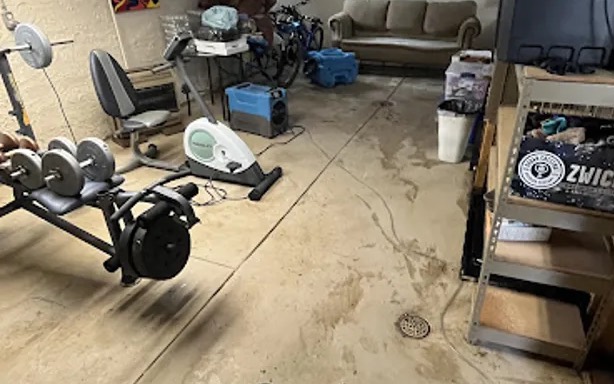
Reliable Warehouse Water Damage Restoration for Bellevue Businesses
Warehouse water damage, if left unaddressed, can lead to floor failure, rusted machinery, and widespread mold contamination, endangering both property and personnel.
Warehouse water damage restoration is a critical service for industrial and storage facilities in Bellevue, where water intrusion can halt operations and damage valuable stock. Local warehouse water damage pros provide warehouse flood water extraction and structural drying to restore functionality, serving businesses here and in nearby areas like Papillion, La Vista and Ralston.
Warehouse Water Damage Restoration Services in Bellevue
Warehouse Structural Drying
Warehouse structural drying uses industrial air movers and dehumidifiers following industry-standard methods to dry walls, floors, and structural components.
Warehouse Water Damage Cleanup
The final warehouse cleanup involves sanitizing and deodorizing the restored space. Floors and surfaces are cleaned to remove residues and odors.
Warehouse Flood Water Extraction
For warehouse flooding, bulk water extraction comes first. Truck-mounted systems handle the significant water present on the industrial floor.
Warehouse Inventory Water Damage
Pros in Bellevue sort pallets and items into those that can be dried, those that need freeze-drying and total losses, and document it all for your insurance claim.
Warehouse Floor Water Removal
Effective water removal from the warehouse floor is foundational. Techniques target moisture in and under the slab to prevent long-term issues like spalling or mold.
Common Red Flags for Warehouse Water Damage Restoration
Musty Odors in the Space
A persistent earthy smell often means hidden moisture and potential mold in a warehouse.
Damp Inventory or Materials
Wet boxes, soggy pallets or damp raw materials mean water is reaching your inventory.
Soggy Insulation Overhead
Wet, sagging insulation in ceiling bays loses R-value and can lead to collapse.
High Humidity Readings
A hygrometer that keeps showing high humidity means the building is still wet.
How Warehouse Water Damage Restoration Works in Bellevue
Step 1: Flood Water Removal
The first response involves warehouse flood water extraction using truck-mounted or portable systems to clear aisles and work areas of bulk water.
Step 2: Comprehensive Moisture Mapping
Pros use sensors to map moisture levels throughout the warehouse, identifying wet spots in floors and walls to guide the warehouse drying services plan.
Step 3: Targeted Equipment Drying
Machinery and electrical panels near the water get focused drying to limit corrosion and electrical damage.
Step 4: Sanitization and Air Scrubbing
If needed, the area is sanitized, and air scrubbers remove particulates and odors, completing the warehouse water damage cleanup and restoring air quality.
Frequent Causes of Leaks Needing Warehouse Water Damage Restoration
Process Equipment Leaks
Cooling lines, hydraulic systems, or wash-down stations can develop leaks, creating localized water damage.
Sprinkler System Malfunction
Accidental discharge, a faulty head, or a broken pipe in fire suppression systems causes major flooding.
Stormwater and Flood Intrusion
Heavy rain can overwhelm drains or seep under doors, leading to warehouse flood damage.
HVAC Condensate Line Failure
Clogged or disconnected drain lines from large commercial units can flood warehouse floors quickly.
Warehouse and Commercial Warehouse Water Damage Restoration
Residential Water Damage Restoration
When a large garage or storage building floods, pros with industrial equipment dry under shelving and behind stored items.
Warehouse Water Damage Restoration
For warehouses, quick action on water damage repair supports business continuity. The space is dried so operations can resume, aiming to contain inventory and operational losses from prolonged downtime.
Why DIY Warehouse Water Damage Repair Fails
Using a wet/dry shop vac on a small, isolated puddle on a sealed concrete floor might be manageable. For widespread warehouse floor water removal or moisture in porous concrete, professional-grade extractors and drying systems are necessary.
Cost Considerations for Warehouse Water Damage Restoration in Bellevue, NE
The price for industrial water damage restoration depends on the square footage involved, the depth of water, and the complexity of the warehouse layout.
Emergency Service Timing
A 24/7 response outside standard hours may involve different service rates compared to a scheduled appointment during business hours.
Mold Remediation Needs
If secondary mold growth is present, the project scope expands to include containment, removal, and air scrubbing, adding to the cost.
Inventory and Equipment Damage
Costs go up when stored goods or machinery got wet and need drying, cleaning or corrosion control.
Does Insurance Cover Warehouse Water Damage Restoration?
Coverage for warehouse water damage depends on the policy's terms and the cause of the water loss. The pros record damage with photos and moisture readings, and your insurer makes all coverage decisions.
Why Bellevue Trusts Local Warehouse Water Extraction Pros
Mold Prevention Focus
Rapid water removal and thorough drying are the primary methods the pros use to help prevent mold growth after a flood.
Moisture Documentation
Detailed logs of moisture readings before, during, and after restoration provide a clear record for your reference and any insurance requirements.
Equipment Drying Protocols
Specialized techniques for warehouse equipment drying aim to minimize corrosion and electrical damage to machinery and control panels after water exposure.
Emergency Warehouse Water Damage Restoration Response for Bellevue
Stop warehouse water damage from spreading to other areas of the facility by calling for professional help. Reach the specialists at (402) 704-4921 for a 24/7 emergency response to begin water removal and drying.
Call Now (402) 704-4921Warehouse Water Damage Restoration Serving Bellevue and Surroundings
In Bellevue, along with nearby areas like Papillion, La Vista and Ralston, local pros handle warehouse water removal, inventory damage mitigation, and emergency leak detection repair.
- Warehouse Water Damage Restoration in Papillion
- Warehouse Water Damage Restoration in La Vista
- Warehouse Water Damage Restoration in Ralston
- Warehouse Water Damage Restoration in Plattsmouth
- Warehouse Water Damage Restoration in Council Bluffs
- Warehouse Water Damage Restoration in Midtown
- Warehouse Water Damage Restoration in Dundee
- Warehouse Water Damage Restoration in Carter Lake
- Emergency Damage Restoration in 68005
- Storm Damage Restoration in 68005
- Water Damage Restoration in 68005
- Water Extraction Service in 68005
- Water Leak Detection in 68005
- Water Removal Service in 68005
- Emergency Damage Restoration in 68123
- Storm Damage Restoration in 68123
Common Warehouse Water Damage Restoration Queries
What are the signs of hidden warehouse water damage?
Look for persistent damp odors, staining on walls or floors, warping of materials, or unexplained corrosion on metal surfaces or equipment.
What's included in warehouse water damage cleanup?
Cleanup encompasses water extraction, debris removal, surface sanitization of affected areas, and odor control measures after the primary structural drying phase is complete.
How long does industrial water damage restoration typically take?
Duration varies widely by scale; a significant warehouse flood may require several days of active drying followed by repair and cleanup phases.
Who decides what warehouse inventory is salvageable after flooding?
The warehouse owner or manager, often in consultation with their insurer and the pros assessing the damage, makes those final decisions.
Is warehouse equipment drying different from structural drying?
Yes, it often requires specific techniques like controlled low-heat drying, corrosion inhibitors, and electrical testing to protect machinery after water exposure.