Bellevue, NE · Sarpy County
Industrial Dehumidification in Bellevue, NEStructural Drying Services & Mold Remediation Services
For Industrial Dehumidification in Bellevue, local pros handle warehouse moisture control, mold remediation services and structural drying services.
Answered 24/7
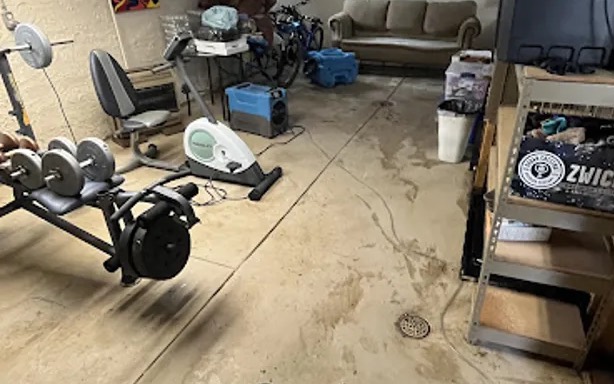
Local Industrial Dehumidification for Bellevue Businesses
Data centers, storage rooms and archives need stable humidity. After water damage, condensation and corrosion can harm equipment and records.
Industrial dehumidification is a priority for large facilities in Bellevue and nearby areas like Papillion, La Vista and Ralston. Whether dealing with a burst pipe or ongoing humidity issues, local water damage pros apply commercial dehumidification techniques.
Professional Industrial Dehumidification in Bellevue
Structural Drying Services
When water soaks into a building's framework, surface drying is insufficient. Commercial drying experts set up a controlled environment with industrial dehumidifiers.
Mold Remediation Services
Mold in a commercial building indicates a deeper moisture issue. The pros use industrial dehumidifiers to create a dry environment that inhibits mold.
Industrial Flood Damage Restoration
Flood waters can halt production. The experts implement a phased strategy using industrial dehumidifiers and air movers. Large dehumidifiers are sized to the building volume.
Disaster Recovery Drying
After a disaster in Bellevue, heavy-duty drying equipment brings humidity down so repairs can start safely.
Commercial Water Damage Cleanup
Leaks or floods in commercial properties need high-capacity dehumidifiers. Humidity control in expansive areas targets moisture in concrete slabs and behind walls.
Signs of Moisture Requiring Industrial Dehumidification in Bellevue
Stained Ceilings or Walls
Yellow or brown water stains show where past leaks happened and where moisture may still be.
Condensation on Pipes
Sweating pipes and ducts drip water and raise the humidity in the space even further.
Visible Mold
Black, green or white spots on walls or contents mean humidity has been high for too long.
Soggy Inventory or Stock
Wet cardboard, damaged goods or damp raw materials mean humidity in the building is not under control.
How Industrial Dehumidification Works in Bellevue
Step 1: Initial Water Damage Cleanup
Pumps and extractors remove the visible water to stop more damage and remove slip hazards.
Step 2: Establish Drying Environment
The area is closed off and dehumidifiers lower the humidity so moisture leaves the materials.
Step 3: Execute Structural Drying Plan
Air movers push air across wet surfaces so the water evaporates and the dehumidifiers collect it.
Step 4: Final Dryness Verification
The job ends when readings show the structure and contents are back to normal dryness.
Causes of Excess Moisture Requiring Industrial Dehumidification in Bellevue
Fire Suppression System Activation
A sprinkler discharge can leave a large amount of water to extract and dry.
Burst Pipes or Plumbing Leaks
Failed supply lines, faulty fittings, or cracked pipes can release thousands of gallons.
Groundwater Intrusion and Saturation
Poor drainage around the building can let water seep up through the floor.
Foundation Cracks and Seepage
Groundwater pushed up through cracks in slabs and walls keeps lower areas damp.
Residential and Commercial Industrial Dehumidification in Bellevue
Residential Industrial Dehumidification
In homes, a slow roof leak can soak attic insulation and lead to mold. The experts in Bellevue dry the attic once the roof is repaired and clean up the wet areas.
Commercial Industrial Dehumidification
Data centers, labs and archives need steady humidity. After water damage, temporary dehumidification protects equipment and records until conditions are stable.
Industrial Dehumidification vs. DIY: When to Call the Pros
Move valuable items and equipment out of the wet area to limit losses. Finding hidden water in walls and under floors takes moisture meters and commercial drying equipment.
What Influences Industrial Dehumidification Expense in Bellevue
The cost of industrial dehumidification in Bellevue depends mainly on how much water got in and the square footage that needs drying.
Drying Time Required
How long the dehumidifiers must run to reach dry readings is a main cost component.
Access Complexity
Hard-to-reach areas in a warehouse or plant take longer to set up equipment in.
Emergency Service Timing
After-hours or 24/7 calls may be billed at a different rate than a scheduled visit.
Does Insurance Cover Industrial Dehumidification?
The pros provide detailed documentation of the damage, including moisture maps and photographic evidence, to support the property owner's claim submission for review.
The Value of Local Pros for Industrial Dehumidification in Bellevue
IICRC-Standard Drying Methods
The experts follow industry drying standards so moisture is fully removed from the structure.
Clear Process Communication
You get regular updates on drying progress and how long the job should take.
24/7 Emergency Response
Fast water extraction limits how far damage spreads in a large building.
Emergency Flood Response in Bellevue
Removing water early prevents more damage to the structure and lowers the mold risk. Call (402) 704-4921 any time, day or night, for help in Bellevue.
Call Now (402) 704-4921Areas Served for Industrial Dehumidification Near Bellevue
Warehouse moisture control and flood cleanup are available in Bellevue and nearby Papillion, La Vista and Ralston.
- Industrial Dehumidification in Papillion
- Industrial Dehumidification in La Vista
- Industrial Dehumidification in Ralston
- Industrial Dehumidification in Plattsmouth
- Industrial Dehumidification in Council Bluffs
- Industrial Dehumidification in Midtown
- Industrial Dehumidification in Dundee
- Industrial Dehumidification in Carter Lake
- Emergency Damage Restoration in 68005
- Storm Damage Restoration in 68005
- Water Damage Restoration in 68005
- Water Extraction Service in 68005
- Water Leak Detection in 68005
- Water Removal Service in 68005
- Emergency Damage Restoration in 68123
- Storm Damage Restoration in 68123
Industrial Dehumidification FAQs
What is the goal of disaster recovery drying?
It is drying a building after a large water loss so the business can return to normal use as soon as possible.
Does all water require the same cleanup approach?
No. Clean water from a supply line, gray water from appliances and black water from sewage each need different safety and cleanup steps.
What is included in commercial water damage cleanup?
It covers water extraction, handling of affected contents, antimicrobial treatment when needed, structural drying and ongoing humidity control.
How is drying progress monitored?
The experts take moisture readings from materials and the air each day and keep drying logs that show progress.
What tools do commercial drying experts use for moisture control?
Local pros use an array of tools including penetrating and non-penetrating moisture meters, thermal imaging cameras, industrial-grade dehumidifiers, and high-volume air movers.