Midtown, NE · Douglas County
Hydrostatic Pressure Water Removal in Midtown, NEStructural Drying After Intrusion & Wet Subfloor Removal
Hydrostatic Pressure Water Removal in Midtown covers groundwater intrusion mitigation, wet subfloor removal and crawl space water extraction.
Answered 24/7
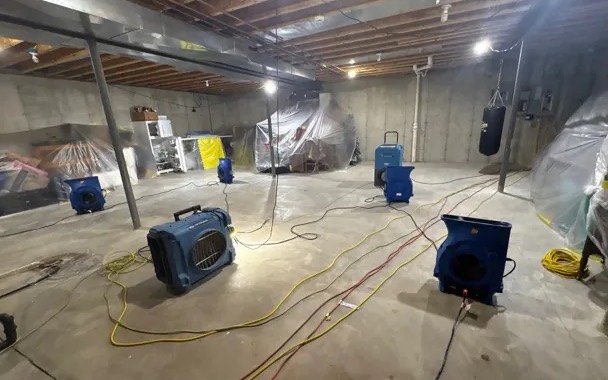
Hydrostatic Pressure Water Removal Solutions for Midtown Homes
In Midtown areas where the water table rises in wet seasons, groundwater presses on foundation walls and can seep inside.
In Midtown and nearby Dundee, Carter Lake and Ralston, soaked soil can push water into basements and crawl spaces. Local groundwater extraction specialists extract the water and dry the structure.
Specialized Hydrostatic Pressure Water Removal for Midtown
Structural Drying After Intrusion
After water comes through a foundation or slab, drying follows industry standards, with air movers and dehumidifiers aimed at wall cavities and framing.
Wet Subfloor Removal
The process includes cutting out affected panels, disposing of them properly, and creating a dry, stable base for the new flooring material.
Sump Pump Failure Cleanup
When a sump pump fails, the lower level can flood quickly. Cleanup covers extraction, a look at why the pump failed and drying of the wet area.
Slab Leak Water Removal
When water comes up through a slab, it is extracted before it wicks into the walls, and the slab surface and nearby materials are dried.
Foundation Crack Water Infiltration
Even hairline cracks can let in a lot of water when the soil is soaked. The water inside is removed, and sealing the crack is left to a foundation contractor.
Warning Signs You Need Hydrostatic Pressure Water Removal
Visible Cracks in Foundation Floors
New or widening cracks in a basement slab can let groundwater in when the soil is wet.
Sump Pump Running Constantly
A sump pump that runs nonstop means a lot of groundwater is coming in around the foundation.
Efflorescence on Concrete Surfaces
White, chalky deposits on foundation walls or the slab show water has been pushing through the concrete.
Pooling Water in Crawl Space
Standing water in a crawl space is a clear sign water is getting in and needs to be removed.
How Hydrostatic Pressure Water Removal Works in Midtown
Step 1: Emergency Water Extraction
Local groundwater extraction specialists use truck-mounted pumps to remove standing water from basements and crawl spaces.
Step 2: Foundation Leak Assessment
An inspection finds where groundwater is getting in and maps how far the water spread.
Step 3: Structural Drying Deployment
Industrial air movers and dehumidifiers are positioned strategically to dry wall cavities, subfloors, and structural members until readings return to normal.
Step 4: Final Moisture Verification
Professionals use moisture meters and sensors to confirm all materials are dry.
What Causes Hydrostatic Pressure Water Damage
Clogged or Collapsed Footing Drains
When perimeter drains clog or fail, water has nowhere to go and presses against the walls and slab.
Failed or Missing Waterproofing
Worn exterior coatings or membranes let groundwater reach the foundation wall directly.
High Water Table Levels
A high water table keeps steady pressure on the foundation and pushes water through cracks and joints.
Improper Landscaping and Irrigation
Landscaping that slopes toward the house, or heavy watering near it, adds water to the soil against the foundation.
Hydrostatic Pressure Water Removal for Foundation Protection
Residential Hydrostatic Pressure Water Removal
Persistent basement flooding from hydrostatic pressure can ruin furnaces, water heaters and stored items. The professionals dry the structure fully to prevent further damage.
Commercial Hydrostatic Pressure Water Removal
In multi-tenant buildings, groundwater cleanup has to be planned around other businesses. The pros coordinate access and drying to limit disruption.
Hydrostatic Pressure Water Removal vs. DIY: When to Call the Pros
Take photos and video of the damage from a safe spot for your insurance claim. Stay out of flooded areas with power still on, and let the pros handle the moisture mapping.
Hydrostatic Pressure Water Removal Cost in Midtown, NE
The cost of removing water that comes up through a slab depends on how easy the area is to reach, how wet it is and how long drying takes.
Equipment Needs
Large pumps and industrial dehumidifiers for big jobs add to the equipment cost.
Mitigation Measures
Drainage or waterproofing work to stop water from returning is a separate cost from the water removal.
Material Saturation Level
Deeply soaked subflooring or wet foundation walls need more extraction and dehumidification.
Does Insurance Cover Hydrostatic Pressure Water Removal?
Coverage for crawl space water often depends on the cause, such as groundwater versus a plumbing leak. The specialists in Douglas County document the water and damage for you to send to your insurer.
Benefits of Local Pros for Hydrostatic Pressure Issues
IICRC-Standard Drying Methods
Drying the structure fully after water intrusion protects the foundation and framing from lasting damage.
Focused Mitigation Planning
You get notes on where water came in, so you can plan drainage work with a contractor.
Controlled Demolition Protocols
Only subfloor and materials that cannot be dried are removed, which keeps the repair smaller.
Around-the-Clock Help for Hydrostatic Flooding in Midtown
For 24/7 help with soaked subfloor after groundwater flooding, call (402) 704-4921. The specialists in Midtown start with extraction and a moisture check.
Call Now (402) 704-4921Hydrostatic Pressure Water Removal Coverage Around Midtown
The specialists provide hydrostatic pressure water removal for homes in Midtown and nearby Dundee, Carter Lake and Ralston, for flooded lower levels and groundwater seepage.
- Hydrostatic Pressure Water Removal in Dundee
- Hydrostatic Pressure Water Removal in Carter Lake
- Hydrostatic Pressure Water Removal in Ralston
- Hydrostatic Pressure Water Removal in Council Bluffs
- Hydrostatic Pressure Water Removal in La Vista
- Hydrostatic Pressure Water Removal in Bellevue
- Hydrostatic Pressure Water Removal in Millard
- Hydrostatic Pressure Water Removal in Papillion
- Emergency Damage Restoration in 68102
- Storm Damage Restoration in 68102
- Water Damage Restoration in 68102
- Water Extraction Service in 68102
- Water Leak Detection in 68102
- Water Removal Service in 68102
- Emergency Damage Restoration in 68105
- Storm Damage Restoration in 68105
Hydrostatic Pressure Water Removal FAQs
How long does drying take after groundwater comes in?
Most jobs take several days of drying. Waterproofing repairs, if needed, are a separate job for a waterproofing contractor.
What is hydrostatic pressure water damage?
It is water pushed through foundation cracks or slab joints by water pressure in the soil, which floods the lower level and soaks the structure.
What steps are in flooded foundation cleanup?
Extraction, removal of mud and debris, cleaning of surfaces and full drying of the basement structure.
What is included in structural water damage restoration?
Water extraction, drying, cleaning and replacing materials that groundwater or flood water damaged beyond drying.
What are signs of soil pressure water intrusion?
Water seeping where the floor meets the wall, damp foundation walls and ongoing moisture in a crawl space.