Midtown, NE · Douglas County
Roof Leak Water Removal in Midtown, NELeak Source Identification & Emergency Roof Tarping
Roof Leak Water Removal in Midtown covers emergency roof tarping, attic water extraction, ceiling water damage cleanup and wet insulation removal.
Answered 24/7
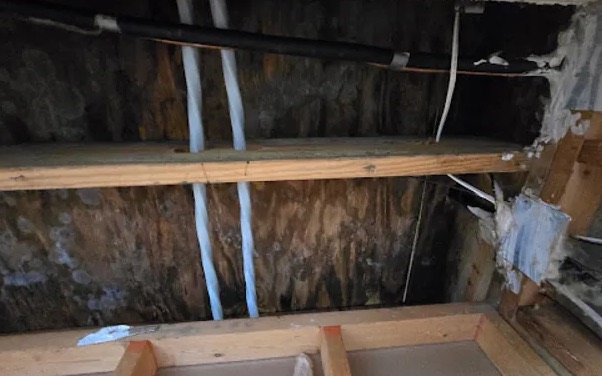
Roof Leak Water Removal for Midtown Homes
When a storm pushes water through the roof of a Midtown home, the attic is the first place it collects and the hardest place to dry.
Roof leak water removal is available in Midtown and nearby Dundee, Carter Lake and Ralston. The pros tarp the opening if needed, extract the water and dry the attic framing and ceiling drywall.
Roof Leak Water Removal Work in Midtown
Leak Source Identification
Water often travels along rafters before it drips, so the stain is rarely under the hole. Tracing it in the attic shows the real entry point.
Emergency Roof Tarping
When shingles are torn or a branch has punched a hole, the pros cover the opening with a weighted or battened tarp before they start drying the attic.
Attic Water Extraction
Water that pools on attic floors, vapor barriers or ceiling drywall is pulled out with wet vacuums and portable extractors before it soaks through to the room below.
Wall Cavity Drying
Bubbling paint or a damp baseboard below a ceiling stain means water is in the wall. Drying the cavity keeps the framing and drywall from rotting.
Ceiling Water Damage Cleanup
Stained or sagging drywall is checked with a moisture meter. Sections that are soft or bowed are cut out so the cavity above can dry and the ceiling can be patched.
Signs of a Roof Leak in Your Midtown Home
Water Stains on the Ceiling
Brown or yellow rings on the ceiling, often growing after each rain, mean water is reaching the drywall from above.
Dark Spots on Attic Wood
Dark streaks or spots on rafters and roof decking show where water has been running or sitting for a while.
Musty Smell After Rain
A damp, musty smell that gets stronger after storms often means insulation in the attic is staying wet.
Daylight Through the Roof Deck
Light showing through the decking from inside the attic marks a gap where rain can come straight in.
How Roof Leak Water Removal Works in Midtown
Step 1: Stop the Water
The opening in the roof is tarped and drips inside are caught, so no more rain reaches the attic while the cleanup starts.
Step 2: Attic Water Extraction
Standing water is pulled from the attic floor and from on top of the ceiling with wet vacuums and portable extractors.
Step 3: Remove Wet Insulation
Soaked insulation is bagged and taken out so the drywall and joists underneath are open to air.
Step 4: Structural Drying
Air movers and dehumidifiers dry the rafters, decking and ceiling, with readings taken each day until the wood is dry.
Where Roof Leaks Start in Midtown
Attic Condensation
Warm, humid indoor air meeting a cold roof deck in winter forms frost and drips that can look like a leak and soak insulation.
Open Roof Valleys
Valleys carry the most water on a roof. Worn or poorly sealed valleys let that concentrated flow into the decking.
Worn Flashing
Flashing around chimneys, skylights and wall joints can crack, rust or pull loose, and water runs in along the gap.
Cracked Vent Boots
The rubber collars around plumbing vents dry out and split with age, letting rain drip down the pipe into the attic.
Roof Leak Water Removal for Every Property in Midtown, NE
Residential Roof Leak Water Removal
For homeowners, drying the attic and ceiling before stains spread can save the drywall. Moisture readings show what can stay and what has to come out.
Commercial Roof Leak Water Removal
Property managers get moisture readings and photos for each affected unit or suite, which helps when several tenants and an owner's insurer are involved.
When a Roof Leak Is Too Big for DIY
If water is near lights or outlets, turn off that circuit at the breaker. Do not stand on a wet floor to reach a fixture that is dripping.
Factors in Roof Leak Water Removal Cost in Midtown
The cost of roof leak water removal in Midtown depends on how much of the attic and ceiling got wet, how much insulation must come out and how many days drying takes.
Drying Time
Each extra day of air movers, dehumidifiers and moisture checks adds to the cost, so wet wood that dries slowly costs more.
Size of the Wet Area
The square footage of wet attic, ceiling and wall sets how much equipment is needed and how long it runs.
Emergency Tarping
If the roof needs a tarp before drying can start, the materials and labor for that step add to the bill.
Does Insurance Cover Roof Leak Water Removal?
The pros keep photos, moisture maps and a list of removed materials. You file the claim with your insurer and share these records with the adjuster.
Why Roof Leaks Need Professional Drying in Midtown
Notes for the Roofer
The entry point and the path the water took are documented so the roofer knows exactly where to look.
Safe Attic Work
The pros know how to move through an attic on the framing and handle wet ceilings without bringing them down.
Drying to Measured Targets
Drying stops only when meters show the wood and drywall are dry, not when the surface looks dry.
Emergency Attic Water Removal in Midtown
For an active roof leak in Midtown, call (402) 704-4921. Local water extraction experts handle the tarp, the water in the attic and the drying of the rooms below.
Call Now (402) 704-4921Roof Leak Water Removal Near Midtown: Areas Served
Roof leak water removal is available in Midtown and nearby Dundee, Carter Lake and Ralston. The pros tarp, extract and dry attics and ceilings after storms.
- Roof Leak Water Removal in Dundee
- Roof Leak Water Removal in Carter Lake
- Roof Leak Water Removal in Ralston
- Roof Leak Water Removal in Council Bluffs
- Roof Leak Water Removal in La Vista
- Roof Leak Water Removal in Bellevue
- Roof Leak Water Removal in Millard
- Roof Leak Water Removal in Papillion
- Emergency Damage Restoration in 68102
- Storm Damage Restoration in 68102
- Water Damage Restoration in 68102
- Water Extraction Service in 68102
- Water Leak Detection in 68102
- Water Removal Service in 68102
- Emergency Damage Restoration in 68105
- Storm Damage Restoration in 68105
Roof Leak Water Removal Questions Answered
What happens after the water is removed?
Drying equipment runs and the pros take readings until the attic and ceiling are dry. Then the roofer and drywall repairs can go ahead.
How soon should water removal start after a roof leak?
As soon as possible. Wet drywall and insulation can start to grow mold in 24 to 48 hours, and a ceiling holding water can sag and fall.
What is roof leak water removal?
It is the work of getting rainwater out of the attic, ceiling, walls and floors after a roof leak and drying the structure. The roof repair itself is done by a roofer.
Can a roof leak cause mold in the attic?
Yes, if the wood and insulation stay wet. Prompt extraction and drying, plus removing soaked insulation, keep the attic from staying damp long enough for mold.
Why should rainwater be removed from the attic quickly?
Water in the attic soaks through the ceiling into the rooms below and keeps the framing wet. Removing it early limits drywall and insulation losses.