Crescent, IA · Pottawattamie County
HVAC Leak Water Removal in Crescent, IAMoisture Remediation For HVAC Systems & HVAC Drain Line Flood Cleanup
HVAC Leak Water Removal in Crescent covers HVAC cabinet water extraction, emergency HVAC leak cleanup, and wet insulation removal near HVAC.
Answered 24/7
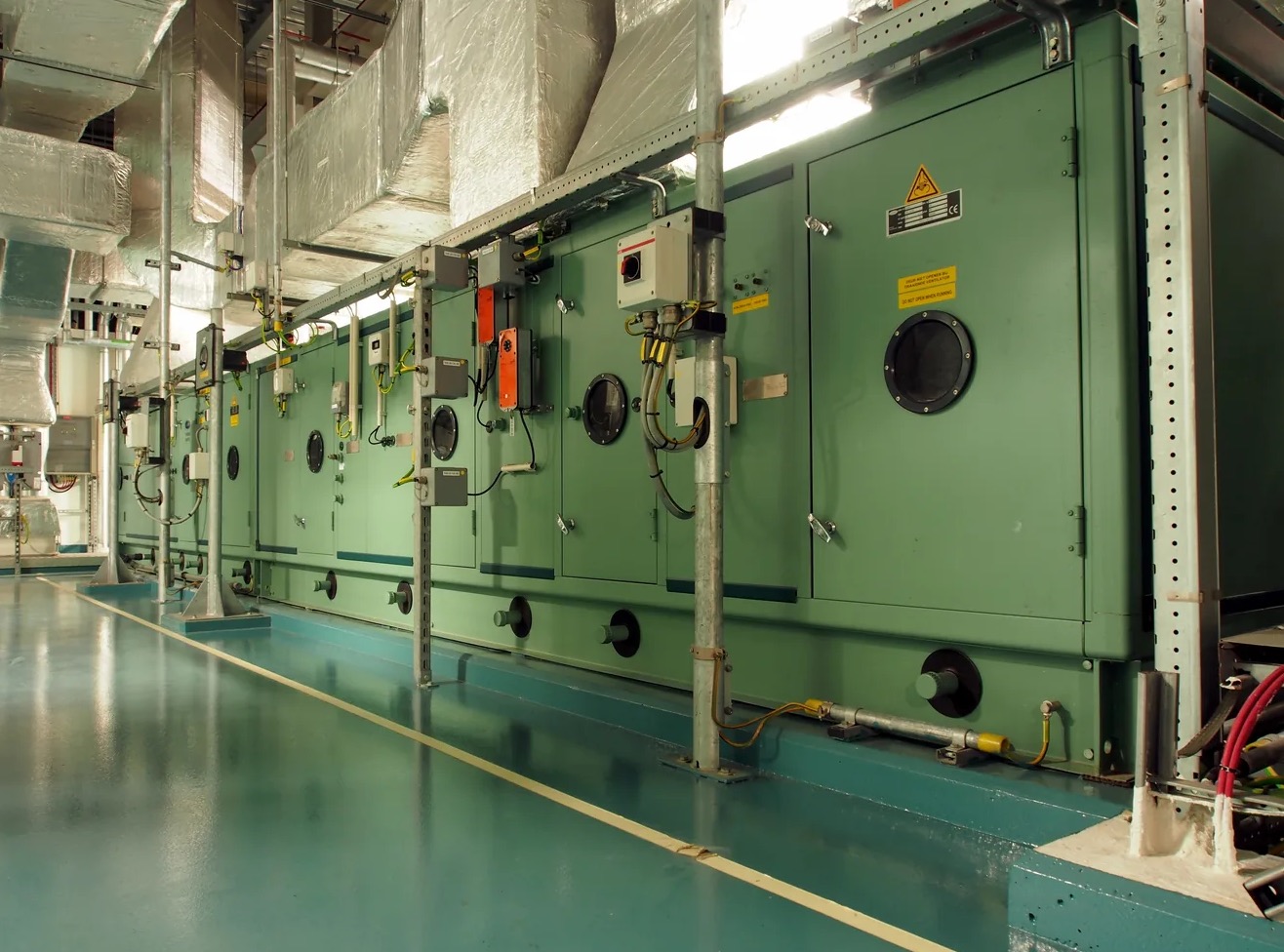
HVAC Leak Water Removal Solutions in Crescent
An HVAC leak that is still running in Crescent has to be stopped first. A coil or drain line can put out gallons of water, and it lands on ceilings, floors and belongings.
When an HVAC leak occurs in Crescent, water needs to come out quickly to protect interior finishes and electrical systems. Local water removal pros serve this community and nearby areas like Honey Creek, Carter Lake and Council Bluffs, extracting water around the unit and drying wet ductwork before damage spreads.
HVAC Leak Water Removal Service Details in Crescent
Moisture Remediation for HVAC Systems
The job ends with a dry space and dry materials around the unit. Readings from the last day are recorded so you have proof the area is dry.
HVAC Drain Line Flood Cleanup
When a drain line fails over a concrete utility slab, extractors remove the water and the slab and wall bases are dried.
Ductwork Condensation Water Removal
Cold air inside ducts meeting warm, humid air causes sweating and droplets. Condensation soaks insulation and damages ceiling materials.
Emergency HVAC Leak Cleanup
An overflowing secondary pan or a broken drain line needs cleanup right away. Local water damage pros mobilize to extract water and assess electrical safety.
Coil Leak Water Damage Repair
A coil that has leaked for weeks often leaves wet framing and flooring around the unit. The pros remove the water and dry those materials, while an HVAC contractor fixes the coil.
Red Flags for HVAC Leak Water Removal in Crescent
AC Drain Line Overflowing
Water spilling from the condensate drain line or its overflow port means the drain is blocked and needs attention now.
Reduced Cooling or System Shutdown
An AC that shuts itself off may have a float switch that tripped because the drain pan is full of water.
Mold on Air Handler
Visible mold on the unit, the ducts or nearby drywall usually means water has been there for a while.
Wet or Sagging Insulation Nearby
Damp insulation around an attic unit or in nearby walls holds water against the drywall and framing.
How HVAC Leak Water Removal Works in Crescent
Step 1: Water Removal Initiation
The pros use pumps and wet vacuums to remove the bulk water from a flooded drain line area.
Step 2: Detailed Moisture Detection
Meters and thermal cameras check concealed spaces so no wet spot behind a wall or above a ceiling is missed.
Step 3: Controlled Drying Environment
Professionals create a controlled environment with dehumidifiers and air movers to dry wet ductwork, insulation and building materials.
Step 4: Final Clearance and Prevention Advice
A final check confirms everything is dry, and you get tips on keeping the condensate drain clear.
Typical Reasons for HVAC Leak Water Removal in Crescent
Worn Gaskets or Seal Failures
Worn seals around access panels or coil sections let water escape the cabinet instead of reaching the pan.
Refrigerant Leak at the Coil
A pinhole leak in the evaporator coil itself can allow refrigerant and moisture to escape simultaneously.
Clogged Condensate Drain Line
Algae, sludge, or debris blocking the primary drain pipe causes water to back up into the HVAC cabinet.
Frozen Evaporator Coil Thawing
A coil freezing due to low refrigerant or airflow can release large volumes of water upon thawing.
Residential & Commercial HVAC Leak Water Removal in Crescent
Residential HVAC Leak Water Removal
In homes, an HVAC leak usually wets the ceiling under an attic unit or the walls and floor around the air handler closet. Wet insulation near the unit is removed so it does not hold water.
Commercial HVAC Leak Water Removal
In stores, offices and warehouses, leaks come from large air handlers, VAV boxes and ducts above the ceiling. The water is removed fast so the space can reopen.
When DIY Fails for HVAC Leak Water Removal in Crescent
A hygrometer can show if indoor humidity is too high, and keeping supply vents open helps airflow. If you see mold inside ducts or smell something musty, DIY cleaning will not reach it. Call (402) 704-4921 for drying help.
Cost Insights for HVAC Leak Water Removal in Crescent
In Crescent, the cost of HVAC water cleanup depends on how many rooms and materials got wet. Water around coils and cabinets takes careful work in tight spaces.
Leak Source and Severity
Whether the leak came from a drain line, the coil or the pan changes how much water there is and where it went.
Drying Time and Equipment
The number of days ducts and materials take to dry decides how long the dehumidifiers run.
Post-Extraction Repairs
Some jobs need small drain line or insulation repairs after drying, which are priced separately.
Does Insurance Cover HVAC Leak Water Removal?
AC unit water damage coverage hinges on the leak source. Sudden failures like a burst drain line may be covered, while gradual neglect often is not. Homeowners should confirm specifics with their insurer.
Advantages of Local Pros for HVAC Leak Water Removal in Crescent
Containment and Air Filtration
The work area can be closed off so dust and moist air do not spread while wet materials are removed.
Comprehensive Leak Source Identification
The pros trace the water to the drain line, coil or pan, so the right trade can fix the cause.
HVAC-Specific Moisture Detection
Moisture meters and thermal cameras find water in ducts, insulation and cabinets that you cannot see.
Urgent HVAC Leak Water Removal Response in Crescent
Water damaged HVAC components risk mold and system failure. For HVAC leak water removal in Crescent, call (402) 704-4921 at any hour.
Call Now (402) 704-4921HVAC Leak Water Removal Locations Near Crescent
Help with HVAC leak water removal is available in Crescent and nearby Honey Creek, Carter Lake and Council Bluffs, for water from AC units, drain lines and ducts.
- HVAC Leak Water Removal in Honey Creek
- HVAC Leak Water Removal in Carter Lake
- HVAC Leak Water Removal in Council Bluffs
- HVAC Leak Water Removal in Midtown
- HVAC Leak Water Removal in Underwood
- HVAC Leak Water Removal in Neola
- HVAC Leak Water Removal in Dundee
- HVAC Leak Water Removal in Fort Calhoun
- Emergency Damage Restoration in 51526
- Storm Damage Restoration in 51526
- Water Damage Restoration in 51526
- Water Extraction Service in 51526
- Water Leak Detection in 51526
- Water Removal Service in 51526
Frequently Asked Questions About HVAC Leak Water Removal
How quickly should I address AC unit water damage?
As soon as you see it. Water can reach wiring and soak drywall and insulation, and mold can start within a day or two in wet materials.
Why does my AC coil leak water?
A frozen coil that thaws, a clogged drain pan, or a cracked condensate drain line are common causes of water leaking from the AC unit.
Can wet insulation near HVAC be saved?
Often, yes. Wet insulation loses its value and is hard to dry in tight spaces, so it is usually removed and replaced once the area is dry.
Can I run my AC after a condensation leak?
No. Running the system while it leaks can spread water further and cause electrical shorts.
What happens during coil leak water damage repair?
The pros remove the water and dry the coil area. The coil itself is serviced or replaced by an HVAC contractor to stop the leak.