Wayne, NE · Wayne County
Crawl Space Water Removal in Wayne, NECrawl Space Dehumidification & Crawl Space Debris Removal
Crawl Space Water Removal in Wayne runs from emergency crawl space pump-out and crawl space debris removal to crawl space insulation replacement.
Answered 24/7
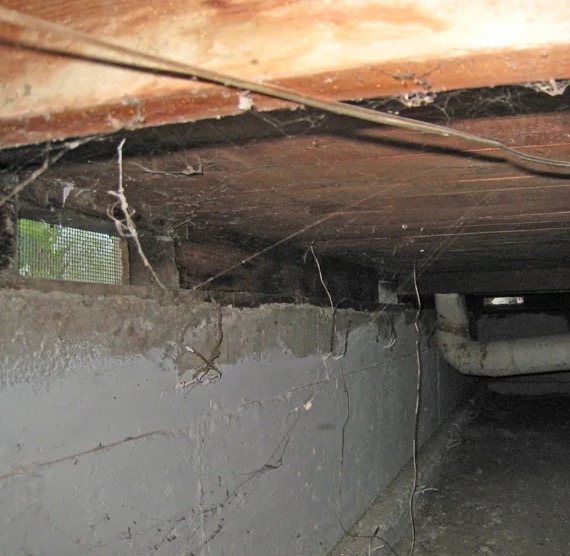
Local Crawl Space Water Removal for Wayne Residents
Crawl Space Water Removal in Wayne usually starts from outside the house. Pumps and hoses are run through the access opening, and power is made safe before anyone crawls under the floor.
In Wayne, Laurel, Wisner and Pender, crawl spaces that flood repeatedly may need drainage changes. The pros dry the space and explain the options.
Comprehensive Crawl Space Water Removal for Wayne
Crawl Space Dehumidification
Dehumidifiers sized for crawl spaces bring humidity down so the joists, beams and subfloor can release the water they absorbed.
Crawl Space Debris Removal
Leaves, mud, fallen insulation and other debris are bagged and removed from the crawl space floor after the water is pumped out.
Crawl Space Insulation Replacement
Insulation that got wet is removed and replaced with new batts once the joists and subfloor test dry.
Crawl Space Vapor Barrier Repair
Torn or loose sections of the vapor barrier are replaced after the crawl space is dry, so ground moisture stays out of the framing.
Emergency Crawl Space Pump-Out
Fast pump-out protects joists, ductwork and the floors above from soaking any longer than necessary.
How to Know You Need Crawl Space Water Removal
Active Mold or Mildew
Visible mold on joists or the underside of the subfloor means the wood has stayed damp too long.
Musty Odors From Below
A musty, earthy smell inside the house often rises from a damp crawl space below.
Rotting Wood Joists or Beams
Soft, dark or crumbling joists and beams point to long-term moisture in the crawl space.
Condensation on Pipes or Ducts
Water droplets on ducts and pipes under the house mean the crawl space air is too humid.
How Crawl Space Water Removal Works in Wayne
Step 1: Inspection and Photos
Water levels, damaged insulation, the barrier and supports are photographed for the record.
Step 2: Pump-Out and Cleanup
Water is removed, and the crawl space floor is cleared of debris and mud.
Step 3: Humidity Control
Dehumidifiers bring the crawl space air down to normal humidity while the wood dries.
Step 4: Final Readings and Report
Final readings and photos are compiled to show the crawl space is dry.
Common Causes of Crawl Space Water Damage in Wayne
Failed or Missing Vapor Barrier
A torn, loose or missing vapor barrier lets ground moisture rise into the framing.
Appliance Malfunction or Overflow
Washers, water heaters and dishwashers can leak through the floor into the crawl space.
HVAC Condensate Drain Overflow
AC condensate lines that drain or leak into the crawl space keep it wet.
Cracked Foundation Walls or Footings
Cracks in foundation walls and footings let water seep into the crawl space.
Crawl Space Water Removal for All Properties in Wayne
Residential Crawl Space Water Removal
Older homes may have thin or missing barriers. After drying is a good time to replace them with a full barrier.
Commercial Crawl Space Water Removal
Shops and restaurants in older buildings may have plumbing under the floor. Leaks there are pumped and dried quickly to keep floors firm.
The Risks of DIY Crawl Space Water Removal in Wayne
You can check the crawl space from the access opening with a flashlight. Call local water extraction experts if there is standing water, mud, fallen insulation or a musty smell.
Factors Affecting Crawl Space Water Removal Cost in Wayne
The pros inspect the crawl space before pricing crawl space water removal in Wayne, then explain what will be pumped, removed, dried and replaced.
Water Volume
More water in the crawl space means more pumping and longer drying.
Access Difficulty
Low, tight or partly blocked crawl spaces take longer to work in safely.
Contamination Level
Water from drains, sewers or floods needs protective gear and cleanup, which costs more.
Does Insurance Cover Crawl Space Water Removal?
Photograph the water, wet insulation and damaged barrier before cleanup starts, and keep receipts for emergency pumping and drying equipment.
Advantages of Hiring Local Pros for Crawl Space Water Removal in Wayne
Barrier Protection
The vapor barrier is repaired or replaced so ground moisture stays out of the framing.
Moisture Removal
Water, wet insulation and damp air are all removed, not just the standing water.
Industry Drying Standards
Drying follows industry water damage standards, with readings taken at every visit.
Emergency Crawl Space Water Removal for Wayne
The longer water sits under the floors, the more wood and insulation are lost. Call (402) 704-4921 for crawl space water removal in Wayne right away.
Call Now (402) 704-4921Local Crawl Space Water Removal Coverage for Wayne
Other places served are listed below, each with its own page.
- Crawl Space Water Removal in Laurel
- Crawl Space Water Removal in Wisner
- Crawl Space Water Removal in Pender
- Crawl Space Water Removal in Randolph
- Crawl Space Water Removal in Stanton
- Crawl Space Water Removal in Beemer
- Crawl Space Water Removal in Pierce
- Crawl Space Water Removal in Osmond
- Emergency Damage Restoration in 68787
- Storm Damage Restoration in 68787
- Water Damage Restoration in 68787
- Water Extraction Service in 68787
- Water Leak Detection in 68787
- Water Removal Service in 68787
Common Crawl Space Water Removal Questions Answered
Can vapor barriers prevent crawl space moisture?
A sound barrier limits ground moisture rising into the framing, but it does not stop leaks or flooding.
What is an emergency crawl space pump-out?
Removing standing water from a flooded crawl space right away, day or night, after a burst pipe or storm.
How long does crawl space drying take?
Often several days. Dehumidifiers run until humidity and wood readings under the house are back to normal.
What is crawl space dehumidification?
Running dehumidifiers sized for the crawl space to pull moisture from the air so the framing can dry.
Is crawl space flood cleanup a DIY job?
Not usually. Tight spaces, electrical hazards and contaminated water make it a job for equipment and protective gear.