Randolph, NE · Cedar County
Crawl Space Water Removal in Randolph, NECrawl Space Sump Pump Installation & Crawl Space Water Extraction
Crawl Space Water Removal in Randolph runs from emergency crawl space pump-out and crawl space debris removal to crawl space insulation replacement.
Answered 24/7
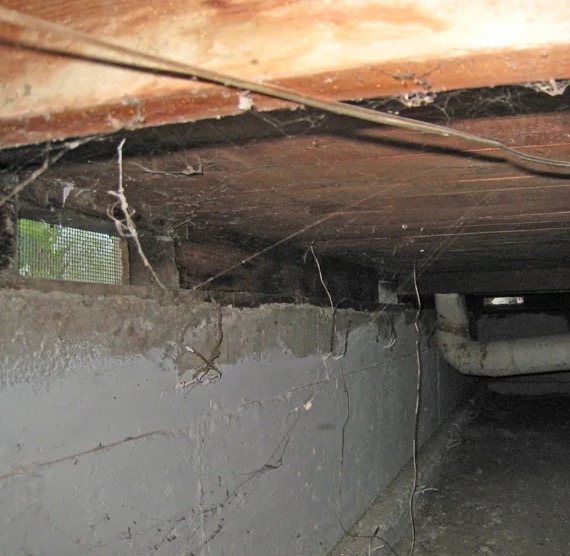
Local Crawl Space Water Removal for Randolph Residents
Crawl Space Water Removal in Randolph ends with a dry crawl space, a sound barrier and new insulation where it was needed. Photos and readings record each step.
In Randolph, Laurel, Pierce and Wayne, crawl spaces that flood repeatedly may need drainage changes. The pros dry the space and explain the options.
Detailed Crawl Space Water Removal Offerings in Randolph
Crawl Space Sump Pump Installation
A sump pump in a crawl space is placed where water naturally collects, with discharge piped away from the foundation.
Crawl Space Water Extraction
The crawl space is entered only after power near the water is made safe. Then pumps run until no standing water remains.
Crawl Space Insulation Replacement
Replacing insulation only after drying keeps moisture from being trapped against the wood again.
Crawl Space Debris Removal
Leaves, mud, fallen insulation and other debris are bagged and removed from the crawl space floor after the water is pumped out.
Crawl Space Vapor Barrier Repair
Barrier seams are overlapped and secured so moisture from the soil does not slip through at the edges.
Signs Your Randolph Home Needs Crawl Space Water Extraction
Efflorescence on Foundation Walls
White, powdery deposits on foundation walls show water moving through the concrete.
Muddy or Saturated Vapor Barrier
A vapor barrier covered in mud or water is not keeping ground moisture out of the framing.
Musty Odors From Below
A musty, earthy smell inside the house often rises from a damp crawl space below.
Rust on Metal Components
Rust on straps, nails and pipe hangers under the house shows repeated moisture.
How Crawl Space Water Removal Works in Randolph
Step 1: Emergency Crawl Space Pump-Out
Power is made safe and pumps are set at the low point to remove standing water.
Step 2: Debris and Insulation Removal
Mud, debris and soaked insulation are bagged and removed from under the house.
Step 3: Drying and Dehumidification
Dehumidifiers and air movers dry the framing, with readings taken every day until normal.
Step 4: Barrier and Insulation Replacement
Damaged barrier is replaced, and new insulation goes in once the wood reads dry.
Sources of Water in Your Crawl Space
Clogged or Inadequate Drain Tile
Drain tile around the foundation that is clogged or too small lets water build up.
Plumbing Leaks Under the House
Supply and drain pipes under the house can leak or burst into the crawl space.
Cracked Foundation Walls or Footings
Cracks in foundation walls and footings let water seep into the crawl space.
Appliance Malfunction or Overflow
Washers, water heaters and dishwashers can leak through the floor into the crawl space.
Property Crawl Space Water Removal Solutions in Randolph
Residential Crawl Space Water Removal
Families can stay home during crawl space drying, since the equipment runs under the house with cords and hoses at the access opening.
Commercial Crawl Space Water Removal
Rental properties need crawl space water removed quickly so tenants do not deal with musty smells, pests or soft floors.
Crawl Space Water Removal vs. DIY: When to Call the Pros
Opening crawl space vents does not reliably dry the space and can let humid air in. Professional drying uses dehumidifiers and readings to confirm the wood is dry.
Crawl Space Water Removal Cost in Randolph, NE
Tight, low or partly blocked crawl spaces in Randolph take longer to work in, which can raise the total for the job.
Emergency Timing
Night, weekend and holiday calls can cost more than a scheduled weekday visit.
Contamination Level
Water from drains, sewers or floods needs protective gear and cleanup, which costs more.
Water Volume
More water in the crawl space means more pumping and longer drying.
Does Insurance Cover Crawl Space Water Removal?
Photos, moisture readings and drying logs from local water damage pros help support an insurance claim for crawl space water damage in Randolph.
The Value of Local Crawl Space Water Removal Pros in Randolph
Water Extraction
Pumps set at the low point remove water quickly and send it away from the foundation.
Debris Removal
Mud, debris and contaminated materials are removed so the crawl space can dry and stay clean.
Structural Check
Joists, beams and subfloor are checked for soft or weakened areas during drying.
Urgent Crawl Space Water Removal Response in Randolph
Night, weekend or holiday, the pros handle crawl space water in Randolph. Call (402) 704-4921 to get pumps and dehumidifiers running.
Call Now (402) 704-4921Local Crawl Space Water Removal Coverage for Randolph
Other places served are listed below, each with its own page.
- Crawl Space Water Removal in Laurel
- Crawl Space Water Removal in Pierce
- Crawl Space Water Removal in Wayne
- Crawl Space Water Removal in Osmond
- Crawl Space Water Removal in Hartington
- Crawl Space Water Removal in Plainview
- Crawl Space Water Removal in Battle Creek
- Crawl Space Water Removal in Stanton
- Emergency Damage Restoration in 68771
- Storm Damage Restoration in 68771
- Water Damage Restoration in 68771
- Water Extraction Service in 68771
- Water Leak Detection in 68771
- Water Removal Service in 68771
Common Crawl Space Water Removal Questions Answered
How long does crawl space drying take?
Often several days. Dehumidifiers run until humidity and wood readings under the house are back to normal.
What is an emergency crawl space pump-out?
Removing standing water from a flooded crawl space right away, day or night, after a burst pipe or storm.
Can a wet crawl space cause mold?
Yes. Damp wood and insulation under the house can support microbial growth if they stay wet for days.
What follows crawl space water cleanup?
New insulation and barrier are installed, and drainage work is planned to prevent repeat flooding.
What causes crawl space water leaks?
Pipe leaks, groundwater, poor drainage, foundation cracks and AC condensate lines that drain under the house.