Logan, IA · Harrison County
Behind Wall Water Extraction in Logan, IAMoisture Barrier Installation & Interior Wall Drying Services
Homeowners in Logan get Behind Wall Water Extraction for hidden water damage detection, wet drywall removal and interior wall drying services.
Answered 24/7
Behind Wall Water Extraction by Water Damage Pros in Logan
A wall that stays wet in Logan can rot the bottom plate, rust fasteners and give microbial growth a place to start behind the drywall where no one sees it.
Homeowners in Logan can call (402) 704-4921 day or night when water appears from a wall. Service also covers Missouri Valley, Woodbine and Honey Creek, with the same detection and drying process.
Specialized Behind Wall Water Extraction Methods in Logan
Moisture Barrier Installation
A vapor barrier that trapped water against the studs is removed during drying, and a new one is installed only after readings are normal.
Interior Wall Drying Services
Dry air is pushed into the wall cavity through small holes near the base, while dehumidifiers pull moisture out of the room.
Wall Cavity Water Extraction
Water trapped at the bottom of a wall cavity is drained through small holes or a removed baseboard, then extracted before drying starts.
Hidden Water Damage Detection
Moisture meters and thermal cameras show wet areas inside a wall without opening it, mapping how far water spread from the leak.
Wall Leak Source Identification
Leak tracing uses readings, thermal images and the pattern of the stain to find where water enters the wall.
Indicators You Require Behind Wall Water Extraction in Logan
Condensation or Efflorescence
White, powdery deposits on masonry walls mean water is moving through them.
Sounds of Dripping Inside Walls
Dripping or running water sounds inside a wall when no fixture is on usually mean a pipe leak.
Musty Odors in Rooms
A musty smell in one room, especially near a wall with plumbing, often points to a hidden leak.
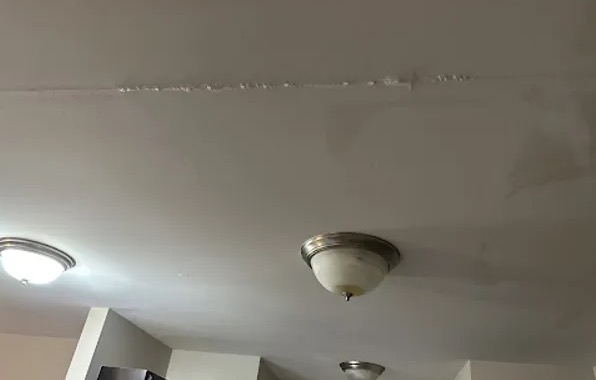
Unexplained Water Stains
A stain on a wall with no obvious source usually means water is coming from inside the wall or above it.
How Behind Wall Water Extraction Works in Logan
Step 1: Hidden Water Damage Inspection
Meters and thermal cameras map the wet area inside the wall and along the floor beside it.
Step 2: Wall Cavity Water Extraction
Baseboards or small sections are removed, and water and wet insulation are pulled from the cavity.
Step 3: Interior Wall Drying Process
Dry air is directed into the cavity while dehumidifiers run, with readings taken every day.
Step 4: Post-Extraction Verification and Sanitization
Final readings confirm dry framing, and surfaces that stayed wet can be cleaned and treated.
Sources of Water Inside Walls in Logan
Leaking Plumbing Inside Walls
Supply lines, drains and fittings inside walls can drip for months before the damage shows.
Roof Leak Seeping Down Walls
Rain from a roof leak can run down the inside of an exterior wall and soak the bottom of it.
Faulty Shower or Tub Enclosure
Failed grout, caulk or a shower valve leak lets water into the wall behind the shower.
Burst Pipe From Freezing
Pipes in exterior walls can freeze, split and leak when temperatures drop.
Residential and Commercial Behind Wall Water Extraction in Logan
Residential Behind Wall Water Extraction
Homeowners often want to avoid tearing out whole walls. Drying through small holes or behind removed baseboards saves drywall when readings allow it.
Commercial Behind Wall Water Extraction
Commercial buildings with long plumbing runs can have leaks that travel far inside walls. Readings along the wall show the full extent before work begins.
Behind Wall Water Extraction vs. DIY: When to Call the Pros
You can shut off the water, turn off power to outlets on the wet wall and take photos. Finding and drying water inside a wall takes meters, thermal cameras and drying equipment.
Factors Influencing Behind Wall Water Extraction Price in Logan
A wall leak caught early in Logan usually costs far less than one that ran for months and rotted the bottom plate.
Leak Source Complexity
Leaks that are hard to trace, such as roof water running down a wall, take more inspection time.
Insulation Involvement
Wet insulation must usually be removed and replaced, which adds labor and material costs.
Wall Area Affected
A wet section a few feet wide costs less to dry than water spread along a whole wall or several rooms.
Does Insurance Cover Behind Wall Water Extraction?
Insurers often ask how long a hidden leak ran. Notes on the source and the condition of the framing help answer that question.
Why Choose Local Pros for Behind Wall Water Extraction in Logan
24/7 Emergency Response
Help is available day or night when a pipe bursts inside a wall.
Targeted Water Extraction
Water is extracted from the cavity and floor along the wall, not just mopped from the surface.
Damage Assessment
The whole wall and the rooms beside it are checked, so hidden damage is not missed.
24/7 Emergency Behind Wall Water Extraction in Logan
The longer water sits inside a wall, the more framing and drywall rot. Call (402) 704-4921 for behind wall water extraction in Logan as soon as you notice signs.
Call Now (402) 704-4921Serving Logan and Surrounding Areas for Behind Wall Water Extraction
Help with behind wall water extraction reaches Missouri Valley, Woodbine and Honey Creek, plus other communities around Logan, for houses, apartments and commercial buildings.
- Behind Wall Water Extraction in Missouri Valley
- Behind Wall Water Extraction in Woodbine
- Behind Wall Water Extraction in Honey Creek
- Behind Wall Water Extraction in Neola
- Behind Wall Water Extraction in Dunlap
- Behind Wall Water Extraction in Fort Calhoun
- Behind Wall Water Extraction in Crescent
- Behind Wall Water Extraction in Blair
- Emergency Damage Restoration in 51546
- Storm Damage Restoration in 51546
- Water Damage Restoration in 51546
- Water Extraction Service in 51546
- Water Leak Detection in 51546
- Water Removal Service in 51546
FAQ: Behind Wall Water Extraction in Logan, IA
What tools are used for wall cavity water extraction?
Moisture meters, thermal cameras, wet vacs, air movers that push air into the wall and dehumidifiers.
When is wet drywall and insulation removal required?
When drywall is soft, crumbling or wet with dirty water, or when insulation is soaked. Lightly damp drywall can sometimes be dried.
What is a moisture barrier after water extraction?
A plastic vapor barrier in some exterior walls. If it was damaged or trapped water, it is replaced after the cavity is dry.
Is wall cavity drying always needed after extraction?
Yes. Extraction removes standing water, but studs, plates and insulation stay wet inside a closed wall unless they are dried.
How is a wall leak detected without visible signs?
Thermal cameras and meters can find cool, wet areas, and a water meter test can show a hidden supply leak.