Arlington, NE · Washington County
Basement Water Removal in Arlington, NEEmergency Basement Flooding & Basement Drying Services
Basement Water Removal in Arlington covers basement water pump out, basement wall drying and basement dehumidification after a flood.
Answered 24/7
Expert Basement Water Removal in Arlington, Fremont, Kennard and Washington
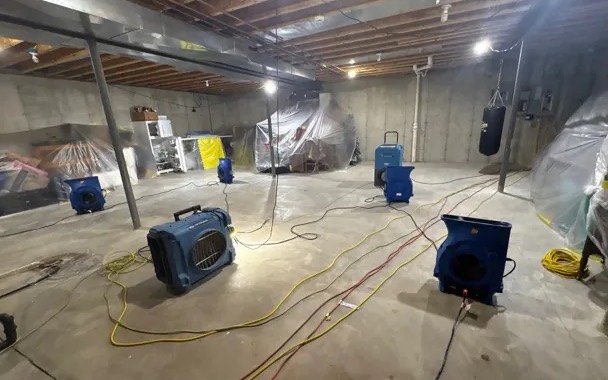
Dehumidification is the slow but necessary part of basement water removal in Arlington. Pumps remove standing water quickly, but walls and concrete keep releasing moisture for days.
Homeowners in Arlington can call (402) 704-4921 day or night when the basement is taking on water. Service also covers Fremont, Kennard and Washington, with the same pumping and drying steps.
Professional Basement Water Removal Offerings
Emergency Basement Flooding
Emergency response starts with making power safe, stopping the source if possible and pumping out the water.
Basement Drying Services
Drying plans for basements account for cool air and thick concrete, which hold moisture longer than upper floors.
Basement Water Pump Out
Pumping starts once power to the basement is safe. Deep water goes first, then extractors handle the thin layer left on the floor.
Basement Wall Drying
Concrete and block walls dry with directed airflow and dehumidification, which pull water out of the masonry.
Sump Pump Failure Water Cleanup
When a sump pump stops, groundwater spreads across the floor. The water is pumped out and the floor and lower walls are extracted.
Warning Signs You Need Basement Water Removal
Warped or Buckling Flooring
Flooring that buckles, lifts or feels spongy has water trapped between it and the slab.
Standing Water in Basement
Standing water anywhere on the basement floor needs to be pumped out before it soaks the walls.
High Humidity and Condensation
Water on pipes and windows, or a constantly clammy feel, means basement humidity is too high.
Wet or Damp Basement Walls
Basement walls that look dark, feel damp or show tide lines are taking on or holding water.
How Basement Water Removal Works in Arlington
Step 1: Safety Assessment and Pump Out
Electrical hazards are checked, then deep water is pumped outside away from the foundation.
Step 2: Content Removal and Damage Documentation
Wet belongings are moved, and photos record the water level and damaged materials.
Step 3: Targeted Water Removal and Drying
Carpet is extracted, wet drywall is cut back and air is aimed at walls and the slab.
Step 4: Sanitization and Moisture Control
Surfaces touched by dirty water are disinfected, and dehumidifiers keep humidity low.
Sources of Basement Water Problems
High Water Table and Hydrostatic Pressure
A high water table presses groundwater against the slab and walls, forcing it inside.
Plumbing Leaks or Pipe Bursts
Supply lines, drain pipes and water heaters in the basement can leak or burst onto the floor.
Window Well Leaks and Drainage
Window wells without drains or covers fill with rain and leak through the windows.
Heavy Rainfall and Storm Flooding
Heavy rain saturates the soil and pushes water through walls, cracks and the floor joint.
House and Business Basement Water Removal in Arlington
Residential Basement Water Removal
Families should keep children and pets away from basement water until power is safe and the type of water is known.
Commercial Basement Water Removal
In restaurants and shops, basement water near food or stock storage needs removal and cleaning before those areas are used again.
When to Hire Local Pros for Basement Water Removal
Fans by themselves can spread damp basement air through the rest of the house. Basement drying needs dehumidifiers that pull moisture out of both the air and the concrete.
Understanding Basement Water Removal Pricing
In Arlington, the drying phase usually costs more than the pumping, because basements need equipment running for several days.
Contamination Level
Sewage or dirty water needs protective gear, removal and disinfection, which costs more.
Access and Complexity
Narrow stairs, low ceilings and crowded storage areas make the work slower and longer.
Water Depth and Volume
Deeper water takes more pumping time and usually means more materials got wet.
Does Insurance Cover Basement Water Removal?
Coverage for basement water removal depends on the water source and your policy. The pros document the damage and drying, and your insurer decides what is covered.
The Value of Professional Basement Water Removal
Focus on Drying Outcomes
Drying continues until readings are normal, not just until surfaces look dry.
24/7 Emergency Response
Help is available day or night when water is rising in the basement.
Contamination Safety Protocols
Sewage and dirty water are handled with protective gear, containment and disinfection.
24/7 Basement Water Removal When You Need It
The faster a basement is pumped out, the more can be saved. Call (402) 704-4921 for basement water removal in Arlington as soon as you see water.
Call Now (402) 704-4921Basement Water Removal Serving Arlington and Surroundings
Help with basement water removal is also available in communities near Arlington, including Fremont, Kennard and Washington, for flooded basements and sewer backups.
- Basement Water Removal in Fremont
- Basement Water Removal in Kennard
- Basement Water Removal in Washington
- Basement Water Removal in Nickerson
- Basement Water Removal in Valley
- Basement Water Removal in Bennington
- Basement Water Removal in Blair
- Basement Water Removal in Waterloo
- Emergency Damage Restoration in 68002
- Storm Damage Restoration in 68002
- Water Damage Restoration in 68002
- Water Extraction Service in 68002
- Water Leak Detection in 68002
- Water Removal Service in 68002
Frequently Asked Basement Water Removal Questions
Can I dry my basement myself with fans?
Fans help with surface water, but walls and concrete need dehumidifiers and readings to dry fully.
What is involved in basement leak cleanup?
Stopping the leak, extracting the water, drying the floor and walls and checking for hidden moisture under flooring.
What causes basement floor water damage?
Storm seepage, burst pipes, appliance leaks, foundation cracks and sewer backups through floor drains are the usual sources.
How does a basement moisture inspection work?
Moisture meters and thermal cameras check walls, floors and the slab, including behind finished walls and under flooring.
What equipment is used for basement water extraction?
Submersible pumps, extractors, wet vacs, air movers, large dehumidifiers and moisture meters to confirm drying.