Washington, NE · Washington County
Basement Water Damage Restoration in Washington, NEBasement Wall Drying & Basement Floor Water Removal
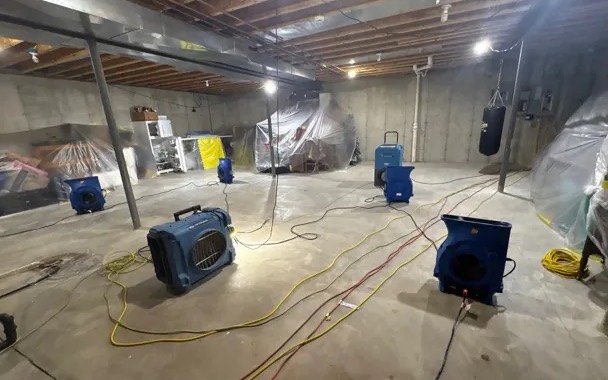
Basement Water Damage Restoration in Washington runs from basement water extraction and basement floor water removal to basement dehumidification.
Answered 24/7
Expert Basement Water Damage Restoration Serving Washington
Water in a basement does not stay on the floor. It wicks up drywall, soaks insulation and seeps into wood framing. In Washington, a few inches of water can damage walls up to two feet high.
A finished basement or lower level in Washington or Bennington, Kennard and Elkhorn can hide old moisture behind drywall and flooring. The pros find the water and dry the space before more damage sets in.
Basement Water Damage Restoration Services in Washington
Basement Wall Drying
Concrete and block walls are dried with directed airflow and dehumidifiers, and checked with meters until readings drop.
Basement Floor Water Removal
Wet carpet pad is removed from basement floors, since it holds water against the concrete and dries poorly.
Basement Mold Prevention
Fast extraction and drying are the main ways to limit microbial growth in a basement. Surfaces that stayed wet can be treated once dry.
Basement Sewer Backup Cleanup
Sewage that backs up through a floor drain or toilet is extracted with protective gear, and the area is contained from the rest of the house.
Basement Drying Services
Equipment is adjusted each day based on moisture readings until every material reaches its normal level.
How to Know You Need Basement Water Damage Restoration in Washington
Sump Pump Failure or Overflow
A sump pump that runs constantly, fails to start or lets the pit overflow puts the basement at risk.
Mold on Surfaces
Dark spots on drywall, framing or stored boxes mean the area has stayed wet for days.
Wet or Stained Basement Walls
Dark, wet patches or tide lines on basement walls show where water seeped in or wicked up.
Warped or Buckling Basement Floors
Laminate, wood or vinyl flooring that buckles or lifts in the basement has water underneath.
How Basement Water Damage Restoration Works in Washington
Step 1: Source Control and Extraction
The pipe is shut off, the sump restarted or the backup stopped, then the water is pumped out.
Step 2: Structural Drying Setup
Lower drywall is removed where soaked, and equipment is placed to dry wall cavities and the slab.
Step 3: Contaminant Removal
Materials touched by sewage or dirty water are removed and hard surfaces are cleaned and disinfected.
Step 4: Monitoring and Completion
Daily readings track drying until every material is normal, then equipment is removed.
Why Basement Water Damage Occurs in Washington
Sewer Line Backups
A blocked or overloaded sewer line pushes wastewater up through basement drains and toilets.
Failed or Clogged Drain Tile
Clogged or collapsed drain tile around the foundation lets water build up against the walls.
High Water Table and Hydrostatic Pressure
A high water table pushes groundwater up through the slab and into the joints between wall and floor.
Sump Pump Mechanical Failure
A sump pump that fails, loses power or is too small lets groundwater rise into the basement.
Basement Water Damage Restoration for All Properties in Washington
Residential Basement Water Damage Restoration
In homes, a flooded basement often means damaged carpet, drywall, a furnace or water heater and stored belongings. Water is pumped out, contents are moved and the space is dried.
Commercial Basement Water Damage Restoration
In commercial buildings, basements hold mechanical rooms, storage and sometimes offices. Water is removed and equipment areas are dried so systems can be checked and restarted.
Basement Water Damage Restoration vs. DIY: When to Call the Pros
If a small leak left a puddle on bare concrete, a wet vac and a dehumidifier may be enough. Call local restoration pros if water reached drywall, carpet or framing, or if it came from a sewer drain.
Factors Affecting Basement Water Damage Restoration Cost in Washington
Waterproofing or sump pump replacement is a separate cost from water removal and drying. In Washington, both may be needed to prevent a repeat.
Drying Time Required
Basements dry slowly, and longer drying means more equipment days and monitoring visits.
Material Saturation
Finished basements with carpet, drywall and insulation take more removal work than bare concrete.
Water Category
Clean water costs less to handle than sewage, which needs protective gear, removal and disinfection.
Does Insurance Cover Basement Water Damage Restoration?
Flood damage from rising outside water usually needs flood insurance. Water from inside the home, like a broken pipe, is more often covered.
Reasons to Hire Local Pros for Basement Water Damage Restoration in Washington
Water Type Handling
Clean water, gray water and sewage are each handled with the right protection and removal steps.
Mold Prevention Focus
Fast drying is the main way to limit microbial growth in a below-grade space.
Water Extraction First
Water is removed from floors, carpet and pad before drying starts, which shortens drying time.
Emergency Basement Water Damage Restoration Available in Washington
A flooded basement damages walls, furnaces, water heaters and belongings quickly. Call (402) 704-4921 for basement water damage restoration in Washington at any hour.
Call Now (402) 704-4921Basement Water Damage Restoration Serving Washington, Bennington, Kennard and Elkhorn
Help with basement water damage restoration reaches Bennington, Kennard and Elkhorn, plus other communities around Washington, for finished and unfinished basements alike.
- Basement Water Damage Restoration in Bennington
- Basement Water Damage Restoration in Kennard
- Basement Water Damage Restoration in Elkhorn
- Basement Water Damage Restoration in Arlington
- Basement Water Damage Restoration in Waterloo
- Basement Water Damage Restoration in Valley
- Basement Water Damage Restoration in Fort Calhoun
- Basement Water Damage Restoration in Boys Town
- Emergency Damage Restoration in 68068
- Storm Damage Restoration in 68068
- Water Damage Restoration in 68068
- Water Extraction Service in 68068
- Water Leak Detection in 68068
- Water Removal Service in 68068
Basement Water Damage Restoration FAQs
Why is dehumidification so important after basement water removal?
Basements hold moisture in the air and concrete. Without dehumidifiers, walls and framing stay damp long after the water is gone.
How soon should I call for basement water extraction after a leak?
Right away. Water wicks up drywall and soaks framing within hours, and below-grade spaces are slow to dry.
What equipment is used for below-grade water damage repair?
Submersible pumps, extractors, air movers, large dehumidifiers, moisture meters and air scrubbers for dust and odor.
How is basement restoration documented for insurance?
With photos of the water level and damage, moisture readings, a list of removed materials and daily drying logs.
What are signs of hidden moisture after below-grade water extraction?
Musty smells, tide lines on walls, damp carpet edges and moisture readings that stay high in walls or the slab.