Fremont, NE · Dodge County
Basement Water Damage Restoration in Fremont, NEBasement Drying Services & Basement Sewer Backup Cleanup
Basement Water Damage Restoration in Fremont runs from basement water extraction and basement floor water removal to basement dehumidification.
Answered 24/7
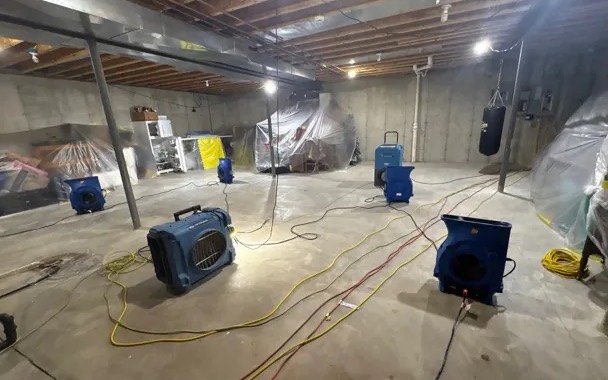
Professional Basement Water Damage Restoration in Fremont, NE
Water in a basement does not stay on the floor. It wicks up drywall, soaks insulation and seeps into wood framing. In Fremont, a few inches of water can damage walls up to two feet high.
One burst pipe or heavy storm in Fremont can flood a basement. Local restoration pros serve Fremont and nearby Cedar Bluffs, Nickerson and Arlington, with help available around the clock.
Complete Basement Water Damage Restoration for Fremont
Basement Drying Services
Equipment is adjusted each day based on moisture readings until every material reaches its normal level.
Basement Sewer Backup Cleanup
Porous materials touched by sewage, such as carpet, pad and lower drywall, are removed. Concrete and framing are cleaned and disinfected.
Basement Wall Drying
Finished basement walls hide wet insulation and framing. Removing the bottom of the drywall lets air reach the cavity.
Emergency Basement Flood Cleanup
Emergency cleanup starts with stopping the source where possible, checking for electrical hazards and pumping out the water.
Basement Mold Prevention
Keeping basement humidity low after drying helps prevent mold from returning, especially in finished spaces.
Signs of Basement Water Damage in Fremont
Condensation on Windows or Pipes
Water beading on cold pipes or basement windows shows high humidity that keeps materials damp.
Peeling Paint or Wallpaper
Paint that peels or blisters on basement walls often has moisture behind it.
Sump Pump Failure or Overflow
A sump pump that runs constantly, fails to start or lets the pit overflow puts the basement at risk.
Wet or Stained Basement Walls
Dark, wet patches or tide lines on basement walls show where water seeped in or wicked up.
How Basement Water Damage Restoration Works in Fremont
Step 1: Initial Assessment and Water Removal
The source and type of water are identified, and standing water is removed right away.
Step 2: Focused Drying of Materials
Walls, framing and the slab are dried with directed airflow, with wet insulation removed.
Step 3: Air Quality Management
Air scrubbers filter dust and odors from removal work while drying continues.
Step 4: Documentation for Restoration
Photos, readings and a list of removed materials are prepared for insurance and rebuilding.
Common Causes of Water Damage in Fremont
High Water Table and Hydrostatic Pressure
A high water table pushes groundwater up through the slab and into the joints between wall and floor.
Foundation Cracks and Leaks
Cracks in foundation walls let groundwater and melting snow seep into the basement.
Plumbing Pipe Bursts or Leaks
Supply lines and drain pipes in basement ceilings can crack or burst onto the floor below.
Window Well Flooding
Window wells without drains or covers fill with rain and leak through basement windows.
Residential and Commercial Basement Water Damage Restoration in Fremont
Residential Basement Water Damage Restoration
Finished basements used as living space need carpet, pad and lower drywall checked carefully. Soaked materials are removed so the walls and slab can dry.
Commercial Basement Water Damage Restoration
Businesses with below-grade storage need inventory moved out of the water quickly. Wet stock is separated and documented for insurance.
When to DIY and When to Call the Pros for Basement Water Damage Restoration
Keeping gutters and downspouts clear and checking water heater and washer hoses are good DIY steps before storm season. Once water is on the floor, call (402) 704-4921.
Understanding Basement Water Damage Restoration Pricing in Fremont
Before pricing basement water damage restoration in Fremont, the pros check the water depth, the type of water and what the basement is finished with.
Secondary Damage
Damage to furnaces, water heaters and belongings adds repair and replacement costs.
Emergency Service
Night, weekend and storm calls can cost more than a scheduled visit.
Access Complexity
Narrow stairs, low ceilings and stored contents can make the work slower.
Does Insurance Cover Basement Water Damage Restoration?
Photos, moisture readings and drying logs from local restoration pros help support an insurance claim for basement water damage in Fremont.
Reasons to Hire Local Pros for Basement Water Damage Restoration in Fremont
Advanced Moisture Detection
Moisture meters and thermal cameras find water in walls and slabs that looks dry.
Structural Integrity Assessment
Walls, stairs and framing are checked for damage before work begins in the basement.
Industrial-Grade Equipment
Pumps, extractors and large dehumidifiers remove water much faster than household wet vacs and fans.
Round-the-Clock Emergency Basement Water Damage Restoration in Fremont
Every hour of standing water in a basement means more drywall and flooring to replace. Call (402) 704-4921 for basement water damage restoration in Fremont.
Call Now (402) 704-4921Local Basement Water Damage Restoration Coverage: Fremont and Beyond
Need basement water damage restoration outside Fremont? Service also covers Cedar Bluffs, Nickerson and Arlington, including emergency help during storms.
- Basement Water Damage Restoration in Cedar Bluffs
- Basement Water Damage Restoration in Nickerson
- Basement Water Damage Restoration in Arlington
- Basement Water Damage Restoration in Colon
- Basement Water Damage Restoration in Valley
- Basement Water Damage Restoration in Mead
- Basement Water Damage Restoration in Hooper
- Basement Water Damage Restoration in North Bend
- Emergency Damage Restoration in 68025
- Storm Damage Restoration in 68025
- Water Damage Restoration in 68025
- Water Extraction Service in 68025
- Water Leak Detection in 68025
- Water Removal Service in 68025
- Emergency Damage Restoration in 68026
- Storm Damage Restoration in 68026
Frequently Asked Questions About Basement Water Damage Restoration
Can wet basement drywall be saved after water damage?
Sometimes, if the water was clean and removed quickly. Soaked or sewage-contaminated drywall is cut out above the water line.
What equipment is used for below-grade water damage repair?
Submersible pumps, extractors, air movers, large dehumidifiers, moisture meters and air scrubbers for dust and odor.
How long does below-grade drying take after a flood?
Often several days or longer, since concrete and cool basement air dry slowly. Daily readings show progress.
Does basement mold prevention need special steps after flooding?
Fast drying is the main step. Wood and concrete that stayed wet can be treated with an antimicrobial once dry.
What causes the most common below-grade leaks in homes?
Sump pump failures, foundation cracks, clogged drain tile, sewer backups and burst pipes in the basement ceiling.