Red Oak, IA · Montgomery County
Attic Water Removal in Red Oak, IACeiling Water Damage Cleanup & Attic Drying Services
For a storm leak, Attic Water Removal in Red Oak means emergency attic water extraction, roof leak water removal and attic moisture inspection.
Answered 24/7
Attic Water Removal Services for Red Oak Homes
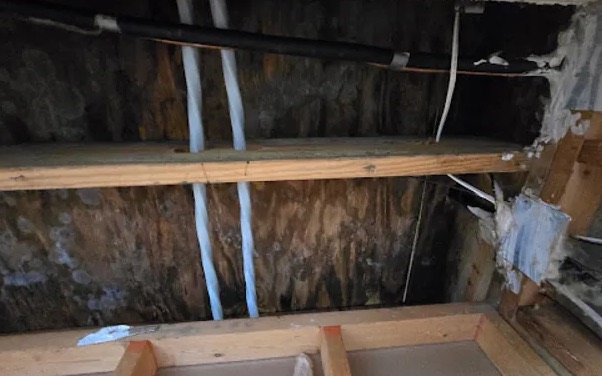
Attic leaks that run for a long time in Red Oak can rot roof decking and rust fasteners. Even after the roof is fixed, that wood stays wet unless it is dried.
A heavy storm in Red Oak can push water into an attic overnight. Local water extraction specialists serve Red Oak and nearby Shenandoah, Malvern and Oakland, with help available around the clock.
Comprehensive Attic Water Removal Offerings
Ceiling Water Damage Cleanup
Fallen drywall, wet insulation and debris in the room below are cleaned up, and floors and furniture are protected during the work.
Attic Drying Services
Equipment is adjusted daily, moving airflow from areas that are dry to areas that still read wet.
Attic Mold Prevention
After drying, wood that was wet for more than a day or two can be treated with an antimicrobial to slow microbial growth.
Attic Moisture Inspection
The inspection shows the full spread of the leak, so every wet area is either dried or removed.
Roof Leak Water Removal
A temporary tarp over the damaged section keeps more rain out until the roofer can make a permanent repair.
Warning Signs You Need Attic Water Removal
High Utility Bills Unexpectedly
Wet insulation loses its insulating value, so energy bills can rise after an attic leak.
Musty Odors in Your Home
A musty smell upstairs or at the attic hatch often points to wet insulation or damp wood above.
Visible Mold in Attic Spaces
Dark spots on rafters or roof decking mean the wood has stayed damp for days or longer.
Water Stains on Ceiling
A brown ring or yellow patch on an upstairs ceiling usually means water is sitting on the drywall from the attic.
How Attic Water Removal Works in Red Oak
Step 1: Containment and Safety Setup
Power to wet fixtures is shut off and plastic sheeting protects the room below.
Step 2: Roof Leak Water Removal and Cleanout
Rainwater is removed, a tarp is placed over roof damage, and wet debris is cleared.
Step 3: Moisture Evaporation and Attic Drying
Equipment runs on safe footing in the attic, with readings checked each day.
Step 4: Validation of Dry Conditions
Final readings are compared to dry areas to confirm the attic is ready for new insulation.
Frequent Sources of Attic Water Damage in Red Oak
Appliance Malfunctions Like Water Heater Leaks
Water heaters located in the attic can leak or fail, flooding the attic floor.
Burst or Leaking Plumbing Pipes
Supply lines and drain pipes in the attic can crack or burst onto the ceiling.
HVAC System Leaks or Drain Pan Overflow
An attic air handler overflows when its condensate line clogs or the drain pan cracks.
Ice Dam Formation on Roof Edges
Ice dams at the roof edge force melting snow back under shingles and into the attic.
Attic Water Removal for Homes and Businesses
Residential Attic Water Removal
In two-story homes, attic water can run down inside walls to the floor below. Walls under the leak are checked with a meter and dried if needed.
Commercial Attic Water Removal
Flat-roof buildings often have water that travels far before it drips. The path above the ceiling is traced so every wet section is found.
Attic Water Removal vs. DIY: When to Call the Pros
A roof repair stops new water from getting in, but the wet insulation and decking stay wet. After the repair, have the attic checked for remaining moisture.
Attic Water Removal Cost in Red Oak, IA
Tight attic access, blown-in insulation removal and storm-night calls all add to the total for attic water removal in Red Oak.
Emergency Service Timing
Storm, night and holiday calls can cost more than a scheduled visit.
Drying Time Required
Dense wood framing can take several days to dry, which adds equipment time.
Access and Attic Complexity
Low headroom and small access hatches make attic work slower than open spaces.
Does Insurance Cover Attic Water Removal?
Photos, moisture readings and drying logs from local water extraction specialists help support an insurance claim for attic water damage in Red Oak.
Advantages of Hiring Local Pros for Attic Water Removal in Red Oak
Controlled Demolition Practices
Only wet insulation and drywall are removed, which keeps the repair as small as possible.
Mold Inhibitor Application
Wood that stayed wet can be treated with an antimicrobial after it is dried.
Damage Documentation
Photos, readings and a list of removed materials are kept for insurance.
Round-the-Clock Attic Water Removal for Red Oak
If water is dripping from a light fixture, shut off that circuit at the panel and keep clear. Then call (402) 704-4921 for help in Red Oak.
Call Now (402) 704-4921Communities Served for Attic Water Removal
Other places served are listed below, each with its own page.
- Attic Water Removal in Shenandoah
- Attic Water Removal in Malvern
- Attic Water Removal in Oakland
- Attic Water Removal in Tabor
- Attic Water Removal in Treynor
- Attic Water Removal in Glenwood
- Attic Water Removal in Sidney
- Attic Water Removal in Atlantic
- Emergency Damage Restoration in 51566
- Storm Damage Restoration in 51566
- Water Damage Restoration in 51566
- Water Extraction Service in 51566
- Water Leak Detection in 51566
- Water Removal Service in 51566
Frequently Asked Questions About Attic Water Removal
How can mold be prevented after attic water removal?
By drying wood quickly, fixing ventilation problems and treating framing that stayed wet with an antimicrobial.
What is involved in attic water removal?
Stopping the source, removing pooled water, bagging wet insulation, drying the framing and decking, and checking the ceiling below.
What equipment is used for attic water extraction?
Wet vacs, pumps, air movers, dehumidifiers, moisture meters and thermal cameras, plus vacuums for wet insulation.
What is an attic moisture inspection?
A check of rafters, decking, insulation and the ceiling below with moisture meters and thermal cameras to find all wet areas.
Can wet attic insulation be saved?
Lightly damp areas sometimes dry, but soaked or matted insulation is usually removed and replaced after the attic dries.