Atlantic, IA · Cass County
Attic Water Removal in Atlantic, IAEmergency Attic Water Extraction & Wet Attic Insulation Removal
Homeowners in Atlantic get Attic Water Removal for emergency attic water extraction, attic moisture inspection and attic drying services.
Answered 24/7
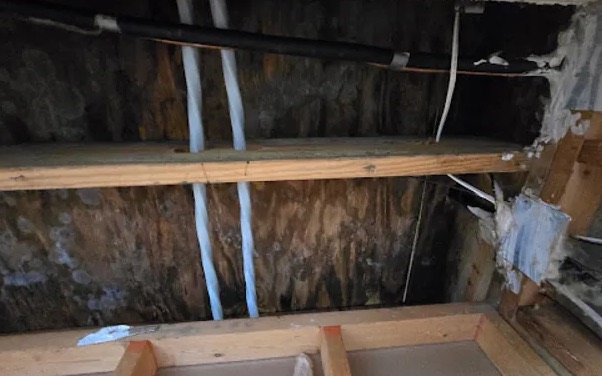
Expert Attic Water Removal for Atlantic
An attic leak is easy to miss and expensive to ignore. In Atlantic, water from a roof, pipe or AC pan can soak insulation and decking for weeks, then show up all at once as a stained or sagging ceiling.
A heavy storm in Atlantic can push water into an attic overnight. Local attic water removal pros serve Atlantic and nearby Oakland, with help available around the clock.
Specialized Attic Water Removal for Atlantic
Emergency Attic Water Extraction
Emergency extraction starts with buckets and containment under active drips, then moves to pulling pooled water off the attic floor.
Wet Attic Insulation Removal
Only the wet sections come out. The edges of the wet area are checked with a meter so dry insulation is not removed by mistake.
Attic Leak Water Cleanup
The leak is stopped or tarped first, then water on the attic floor, on top of the drywall and around ducts and wiring is removed with wet vacs.
Ceiling Water Damage Cleanup
After the ceiling cavity is dry, the opening is ready for new drywall, tape and paint.
Attic Drying Services
Air movers and dehumidifiers are placed on boards across the joists so they can run safely without stressing the drywall.
Signs of Attic Water Damage in Atlantic
Puddles or Standing Water in Attic
Pooled water on the attic floor or on top of drywall needs removal right away.
Water Dripping From Light Fixtures
Water dripping from a ceiling light or fan means an active leak above. Turn off that circuit.
Peeling Paint on Ceilings or Walls
Paint that peels or blisters on upstairs ceilings and walls often has water behind it.
High Utility Bills Unexpectedly
Wet insulation loses its insulating value, so energy bills can rise after an attic leak.
How Attic Water Removal Works in Atlantic
Step 1: Containment and Safety Setup
Power to wet fixtures is shut off and plastic sheeting protects the room below.
Step 2: Roof Leak Water Removal and Cleanout
Rainwater is removed, a tarp is placed over roof damage, and wet debris is cleared.
Step 3: Moisture Evaporation and Attic Drying
Equipment runs on safe footing in the attic, with readings checked each day.
Step 4: Validation of Dry Conditions
Final readings are compared to dry areas to confirm the attic is ready for new insulation.
Typical Sources of Attic Water Damage
Clogged or Disconnected Gutters
Clogged or loose gutters let water back up under the roof edge and into the soffits.
Burst or Leaking Plumbing Pipes
Supply lines and drain pipes in the attic can crack or burst onto the ceiling.
Condensation From Poor Attic Ventilation
Moist air from the house condenses on roof decking when attic ventilation is poor.
Appliance Malfunctions Like Water Heater Leaks
Water heaters located in the attic can leak or fail, flooding the attic floor.
Attic Water Removal for All Property Types in Atlantic
Residential Attic Water Removal
In two-story homes, attic water can run down inside walls to the floor below. Walls under the leak are checked with a meter and dried if needed.
Commercial Attic Water Removal
Flat-roof buildings often have water that travels far before it drips. The path above the ceiling is traced so every wet section is found.
Professional Attic Water Removal Compared to DIY
A roof repair stops new water from getting in, but the wet insulation and decking stay wet. After the repair, have the attic checked for remaining moisture.
What Affects Attic Water Removal Cost in Atlantic
An attic leak handled the same day in Atlantic usually costs less than one left until the ceiling sags and has to be torn out.
Emergency Service Timing
Storm, night and holiday calls can cost more than a scheduled visit.
Drying Time Required
Dense wood framing can take several days to dry, which adds equipment time.
Type of Insulation Affected
Blown-in insulation takes more time to remove than batts, and both add disposal costs.
Does Insurance Cover Attic Water Removal?
Many homeowner policies cover sudden attic leaks from storms or burst pipes, but not damage from worn roofing or slow leaks. Read your policy and call your insurer early.
Selecting Local Pros in Atlantic for Attic Water Removal
Mold Inhibitor Application
Wood that stayed wet can be treated with an antimicrobial after it is dried.
Advanced Moisture Detection
Moisture meters and thermal cameras find wet wood and insulation that look dry.
Post-Cleanup Verification
Final readings confirm the attic is dry before new insulation goes in.
Round-the-Clock Attic Water Removal for Atlantic
If water is dripping from a light fixture, shut off that circuit at the panel and keep clear. Then call (402) 704-4921 for help in Atlantic.
Call Now (402) 704-4921Communities Served for Attic Water Removal
The places below are also served, and each one has its own page.
- Attic Water Removal in Oakland
- Attic Water Removal in Red Oak
- Attic Water Removal in Underwood
- Attic Water Removal in Treynor
- Attic Water Removal in Neola
- Attic Water Removal in Malvern
- Attic Water Removal in Crescent
- Attic Water Removal in Woodbine
- Emergency Damage Restoration in 50022
- Storm Damage Restoration in 50022
- Water Damage Restoration in 50022
- Water Extraction Service in 50022
- Water Leak Detection in 50022
- Water Removal Service in 50022
Attic Water Removal FAQs
Can I remove attic water myself?
Only small amounts that are easy to reach safely. Pooled water and soaked insulation need safe footing and drying equipment.
What causes attic water damage?
Roof leaks, plumbing failures, attic AC overflows, water heater leaks, loose bath fan ducts and poor ventilation.
What is involved in attic water removal?
Stopping the source, removing pooled water, bagging wet insulation, drying the framing and decking, and checking the ceiling below.
Is attic flood cleanup different from a small leak?
The steps are the same, but a flooded attic needs more extraction, more insulation removal and usually ceiling replacement.
How can mold be prevented after attic water removal?
By drying wood quickly, fixing ventilation problems and treating framing that stayed wet with an antimicrobial.