Hamburg, IA · Fremont County
Attic Water Extraction in Hamburg, IARoof Leak Water Removal & Attic Drying Services
Get attic water extraction in Hamburg for attic moisture inspection, wet attic insulation removal and attic mold prevention after a leak.
Answered 24/7
Professional Attic Water Extraction in Hamburg, IA
In Hamburg, the first sign of attic water is often a brown stain or a bulge in an upstairs ceiling. By then, insulation above it may already be soaked and holding water against the drywall.
A storm in Hamburg can push water into an attic in one night. Local water removal experts serve Hamburg and nearby Sidney, Nebraska City and Percival, with extraction available around the clock.
Attic Water Extraction and Damage Mitigation in Hamburg
Roof Leak Water Removal
Rain that entered through damaged shingles, flashing or vents is extracted, and the leak point is photographed so the roofer can find it.
Attic Drying Services
Drying runs until wood framing and ceiling drywall reach normal readings. Equipment is moved as each area dries.
Wet Attic Insulation Removal
Blown-in insulation that got wet is vacuumed out of the affected bays, and fiberglass batts are pulled and bagged.
Attic Leak Water Cleanup
Water from a roof or plumbing leak usually runs along rafters before it drips. Cleanup follows that path and removes water wherever it pooled.
Emergency Attic Water Extraction
Help is available any hour, because water sitting on top of a ceiling can bring the drywall down within a day.
Warning Signs You Need Attic Water Extraction in Hamburg
Water Stains on Ceiling
A brown or yellow stain on an upstairs ceiling usually means water is sitting on the drywall from the attic.
Water Dripping From Light Fixtures
Water dripping from a ceiling light or fan is a sign of an active leak above. Turn off that circuit.
Visible Mold in Attic
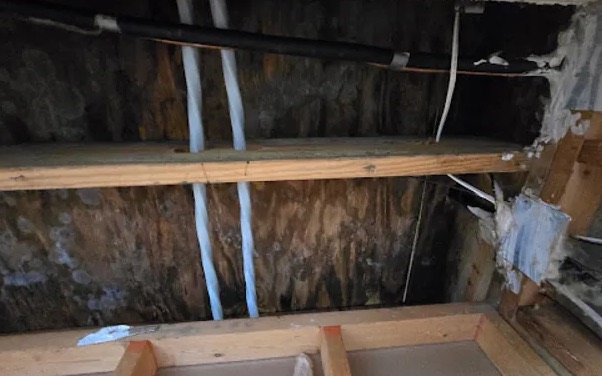
Dark spots on rafters or decking mean the wood has stayed damp for some time.
Puddles or Standing Water
Pooled water on the attic floor or on top of drywall needs extraction right away.
How Attic Water Extraction Works in Hamburg
Step 1: Safety Assessment and Water Containment
Wet fixtures are shut off, the room below is protected and buckets catch active drips.
Step 2: Bulk Water Extraction
Wet vacs and pumps remove standing water from between joists and on top of the drywall.
Step 3: Targeted Drying of Affected Materials
Airflow is aimed at the wettest wood and drywall, and equipment is moved as areas dry.
Step 4: Documentation for Restoration
Photos, readings and a list of removed materials are prepared for insurance and repairs.
Frequent Sources of Attic Leaks in Hamburg
Roof Leaks From Storm Damage
Wind and hail can lift or break shingles, letting rain reach the decking and the attic floor.
Condensation From Poor Ventilation
Warm, moist air from the house condenses on roof decking when the attic lacks ventilation.
Gutter and Downspout Blockages
Clogged gutters and downspouts let water back up under the roof edge.
Skylight or Chimney Flashing Failure
Worn flashing around skylights and chimneys lets rain run down into the attic.
Both Residential and Commercial Attic Water Extraction in Hamburg, IA
Residential Attic Water Extraction
In two-story homes, attic leaks can reach upstairs ceilings and run down into walls. Each wet area is checked with a meter and dried.
Commercial Attic Water Extraction
Flat-roof buildings often have leaks that travel far before they drip. The water path above the ceiling is traced so no wet section is missed.
Attic Water Extraction vs. DIY: When to Call the Pros
If it is safe, you can look into the attic with a flashlight to find the wet area. Removing water and insulation from between joists takes boards, protective gear and drying equipment.
What Influences Attic Water Extraction Cost in Hamburg
Roof repair is billed separately from extraction and drying. In Hamburg, both are needed after most roof leaks.
Mold Prevention Steps
Antimicrobial treatment of wood that stayed wet is an added step, priced by area.
Emergency Service Timing
Night, weekend and storm calls can cost more than a scheduled visit.
Access and Complexity
Low headroom, tight access hatches and narrow joists make the work slower.
Does Insurance Cover Attic Water Extraction?
Coverage for attic water extraction depends on the cause of the leak and your policy. The pros record the damage and drying, and your insurer decides the rest.
Advantages of Hiring Local Pros for Attic Water Extraction in Hamburg
Dehumidification Plan
Dehumidifiers and air movers are placed for the attic's size and airflow, then adjusted daily.
Attic Drying
Framing, decking and the ceiling below are all dried, not just the spot under the leak.
Industry Extraction Standards
Extraction and drying follow industry water damage standards, with readings at every visit.
24/7 Attic Water Extraction for Hamburg Emergencies
Water coming through the ceiling in Hamburg? Move belongings, put a bucket under the drip and call (402) 704-4921. Attic extraction is available 24/7.
Call Now (402) 704-4921Local Attic Water Extraction Areas Including Hamburg
The places below are also served, and each one has its own page.
- Attic Water Extraction in Sidney
- Attic Water Extraction in Nebraska City
- Attic Water Extraction in Percival
- Attic Water Extraction in Shenandoah
- Attic Water Extraction in Tabor
- Attic Water Extraction in Malvern
- Attic Water Extraction in Syracuse
- Attic Water Extraction in Glenwood
- Emergency Damage Restoration in 51640
- Storm Damage Restoration in 51640
- Water Damage Restoration in 51640
- Water Extraction Service in 51640
- Water Leak Detection in 51640
- Water Removal Service in 51640
Frequently Asked Questions About Attic Water Extraction
What is the purpose of attic mold prevention?
To slow microbial growth on wood that stayed wet, by drying it quickly and treating it with an antimicrobial if needed.
What are signs of hidden attic water damage?
Ceiling stains, a musty smell upstairs, matted insulation, dark spots on decking and rusted nails.
What is involved in professional attic water extraction?
Catching drips, vacuuming pooled water from decking and drywall tops, removing soaked insulation and drying the framing and ceiling below.
What causes attic water damage?
Roof leaks, attic plumbing failures, overflowing AC drain pans, poor ventilation and bath fans venting into the attic.
Why is wet insulation removal often necessary?
Soaked insulation stays wet for a long time, adds weight to the ceiling and loses its insulating value.