Glenwood, IA · Mills County
Attic Water Extraction in Glenwood, IARoof Leak Water Removal & Attic Moisture Inspection
Attic Water Extraction in Glenwood includes attic leak water cleanup, roof leak water removal and ceiling water damage cleanup.
Answered 24/7
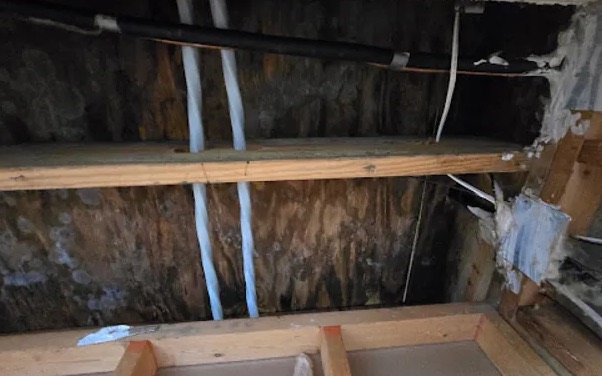
Attic Water Extraction Solutions in Glenwood, Iowa
Attic water is hard to reach. Joists are narrow, headroom is low and the ceiling drywall cannot hold a person's weight. In Glenwood, extraction in an attic takes boards, lighting and careful footing.
A storm in Glenwood can push water into an attic in one night. Local water damage pros serve Glenwood and nearby Plattsmouth, Malvern and Bellevue, with extraction available around the clock.
Detailed Attic Water Extraction Offerings in Glenwood
Roof Leak Water Removal
A tarp can be placed over the damaged roof area to stop more water from coming in while extraction and drying continue.
Attic Moisture Inspection
Moisture meters and thermal cameras check decking, rafters, insulation and ceiling drywall for water that is not visible.
Attic Drying Services
Attic ventilation affects drying time. Dehumidifiers pull moisture from the air while air movers push dry air over wet wood.
Attic Leak Water Cleanup
Wet nails, straps and vent flanges are wiped down, and soaked boxes or stored items are moved out of the attic.
Wet Attic Insulation Removal
Soaked insulation holds water like a sponge and keeps the ceiling below wet. It is bagged and removed so the area underneath can dry.
Detecting the Need for Attic Water Extraction in Your Attic
Water Stains on Ceiling
A brown or yellow stain on an upstairs ceiling usually means water is sitting on the drywall from the attic.
Visible Mold in Attic
Dark spots on rafters or decking mean the wood has stayed damp for some time.
Insect Infestations in Attic
Wet wood draws insects, so new activity in the attic can be a sign of an ongoing leak.
Damp Attic Insulation
Insulation that feels damp, looks matted or has dark patches has been soaking up water.
How Attic Water Extraction Works in Glenwood
Step 1: Emergency Water Extraction
Active drips are caught and pooled water is vacuumed from the decking and drywall tops right away.
Step 2: Wet Insulation Removal
Soaked insulation is bagged and removed so air can reach the wood and the ceiling drywall below.
Step 3: Attic Drying Process
Air movers and dehumidifiers are set on boards across the joists and run until readings drop.
Step 4: Final Moisture Inspection
Readings on decking, rafters and the ceiling confirm the attic is dry before new insulation goes in.
Frequent Sources of Attic Leaks in Glenwood
Roof Leaks From Storm Damage
Wind and hail can lift or break shingles, letting rain reach the decking and the attic floor.
Attic Appliance Malfunction
Water heaters, humidifiers and other attic equipment can fail and leak with no warning.
Ice Dam Formation on Roof
Ice dams at the roof edge back melting snow up under the shingles and into the attic.
Bathroom Exhaust Fan Vent Leaks
Bathroom fans vented into the attic, or with loose ducts, release moisture onto the wood.
Attic Water Extraction for All Properties in Glenwood
Residential Attic Water Extraction
In two-story homes, attic leaks can reach upstairs ceilings and run down into walls. Each wet area is checked with a meter and dried.
Commercial Attic Water Extraction
Flat-roof buildings often have leaks that travel far before they drip. The water path above the ceiling is traced so no wet section is missed.
Why DIY Attic Water Extraction Often Fails in Glenwood
A bucket under the drip and a tarp over furniture are good first steps. Call local water damage pros if water is pooling in the attic, the ceiling is stained or sagging, or insulation is soaked.
Evaluating Attic Water Extraction Expenses in Glenwood
Roof repair is billed separately from extraction and drying. In Glenwood, both are needed after most roof leaks.
Required Drying Time
Dense framing and decking can take several days to dry, adding equipment time.
Access and Complexity
Low headroom, tight access hatches and narrow joists make the work slower.
Size of the Affected Area
A leak that spread across the whole attic costs more than one confined to a single bay.
Does Insurance Cover Attic Water Extraction?
Photos, moisture readings and drying logs from the pros help support an insurance claim for attic water damage in Glenwood.
The Value of Local Pros for Attic Water Extraction
Ceiling Damage Mitigation
Sagging ceilings are drained and removed safely before they can fall into the room.
Mold Prevention Focus
Fast drying of attic wood is the main way to limit microbial growth after a leak.
Roof Leak Location
The leak point is marked and photographed so the roofer can fix the right spot.
Emergency Attic Water Extraction Response in Glenwood, IA
If water is dripping from a light fixture, shut off that circuit at the panel and stay clear. Then call (402) 704-4921 for help in Glenwood.
Call Now (402) 704-4921Attic Water Extraction for Glenwood and Surrounding Communities
Besides Glenwood, the pros remove attic water, wet insulation and soaked ceilings in nearby Plattsmouth, Malvern and Bellevue.
- Attic Water Extraction in Plattsmouth
- Attic Water Extraction in Malvern
- Attic Water Extraction in Bellevue
- Attic Water Extraction in Tabor
- Attic Water Extraction in Treynor
- Attic Water Extraction in Council Bluffs
- Attic Water Extraction in Papillion
- Attic Water Extraction in Midtown
- Emergency Damage Restoration in 51534
- Storm Damage Restoration in 51534
- Water Damage Restoration in 51534
- Water Extraction Service in 51534
- Water Leak Detection in 51534
- Water Removal Service in 51534
Common Attic Water Extraction Questions Answered
How quickly should I deal with water in my attic?
Right away. Water sitting on ceiling drywall can make it sag or fall within a day, and wet wood starts to break down.
What are signs of hidden attic water damage?
Ceiling stains, a musty smell upstairs, matted insulation, dark spots on decking and rusted nails.
What should I do while waiting for water damage help?
Catch drips with a bucket, move belongings, keep away from sagging ceilings and turn off power to wet fixtures.
What follows after the attic is dry?
New insulation can be installed, and ceiling drywall below is repaired, taped and painted.
Can I remove attic water myself?
Small drips onto plastic can be handled, but pooled water and soaked insulation need safe footing, equipment and drying.