Glenwood, IA · Mills County
Attic Water Damage Restoration in Glenwood, IARoof Leak Water Removal & Ceiling Water Damage Cleanup
Attic Water Damage Restoration in Glenwood includes roof leak water removal, ceiling water damage cleanup and attic moisture inspection.
Answered 24/7
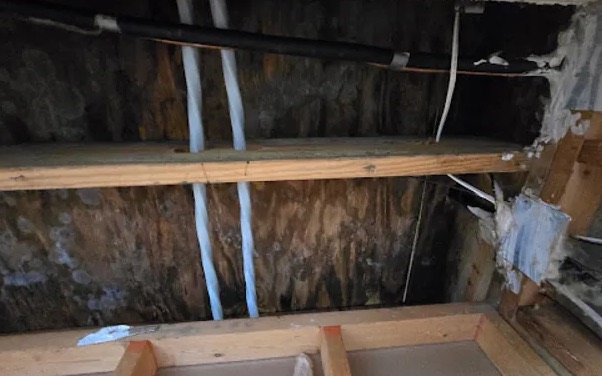
Expert Attic Water Damage Restoration Serving Glenwood, IA
Attic Water Damage Restoration in Glenwood usually involves two spaces: the attic and the room below it. Water does not stop at the attic floor; it soaks into the ceiling drywall and sometimes the walls.
In Glenwood, Plattsmouth, Malvern and Bellevue, many attics hold air handlers and water heaters as well as insulation. The pros handle water from any of them, along with roof leaks.
Detailed Attic Water Damage Restoration Solutions
Roof Leak Water Removal
Rain that came through damaged shingles, flashing or vents is removed from the attic, and the leak location is marked for the roofer.
Ceiling Water Damage Cleanup
Small ceiling stains can often be dried in place and sealed. Sagging, soft or crumbling drywall is replaced.
Wet Attic Insulation Removal
Wet fiberglass batts lose their insulating value and hold water against the ceiling. Soaked sections are bagged and removed so the area underneath can dry.
Attic Leak Water Cleanup
Leak cleanup in an attic means working between joists and around ducts, wiring and insulation, removing water from every spot it pooled.
Emergency Attic Water Extraction
Water in the attic quickly becomes a ceiling problem. Fast extraction keeps the ceiling drywall below from sagging and falling.
Warning Signs You Need Attic Water Damage Restoration
Crumbling Drywall Tape
Ceiling drywall tape that bubbles, cracks or peels usually means water is soaking the seams.
Rust on Nails or Vents
Rusted nail tips, vent flanges or metal straps in the attic point to repeated moisture.
Visible Mold in Attic
Dark spots on roof decking or rafters mean the wood has stayed damp for some time.
Musty Odors in Home
A musty or damp smell on the upper floor can point to wet insulation or wood in the attic.
How Attic Water Damage Restoration Works in Glenwood
Step 1: Initial Assessment and Water Removal
The pros find the source, check safety in the attic and remove standing water and wet debris.
Step 2: Wet Attic Insulation Removal
Soaked batts or blown-in insulation are bagged and removed so the wood and drywall can dry.
Step 3: Targeted Attic Drying Process
Drying equipment is aimed at the wet framing and ceiling, and moved as areas reach normal readings.
Step 4: Sanitization and Mold Prevention
Once dry, decking and rafters that stayed wet can be cleaned and treated with an antimicrobial.
Frequent Origins of Attic Flooding
Condensation From Poor Ventilation
Warm, moist air from the house condenses on cold roof decking when the attic is poorly vented.
Failing Roof Valley or Flashing
Worn flashing around valleys, chimneys and skylights lets water run into the attic.
Overflow From Bathroom Exhaust Fans
Bathroom fans that vent into the attic, or have disconnected ducts, release moisture onto the decking.
Improperly Sealed Roof Penetrations
Gaps around vents, pipes and antennas that pass through the roof let water in when seals fail.
Residential and Commercial Attic Water Damage Restoration in Glenwood
Residential Attic Water Damage Restoration
For townhomes and condos, an attic leak can cross into a neighbor's space. Fast drying and clear records help sort out repairs with the association.
Commercial Attic Water Damage Restoration
Property managers get photos and readings for each affected unit or suite, which simplifies insurance claims and roof repair planning.
Attic Water Damage Restoration vs. DIY: When to Call the Pros
Never step between attic joists, since the ceiling drywall will not hold your weight. If water is pooling up there, call (402) 704-4921 instead of trying to reach it yourself.
What Influences Attic Water Damage Restoration Expenses?
In Glenwood, insulation removal and ceiling repair often make up a large share of the bill, along with drying equipment days in the attic.
Size and Accessibility
Low, tight attics take longer to work in than tall attics with easy access.
Duration Before Response
A leak found right away costs less to fix than one that soaked the attic for weeks.
Mold Prevention Measures
Antimicrobial treatment of decking and rafters that stayed wet is an added cost.
Does Insurance Cover Attic Water Damage Restoration?
Coverage for attic water damage restoration depends on the cause of the leak and your policy terms. The pros document the damage and drying, and your insurer decides what is covered.
Selecting Local Pros for Attic Water Damage Restoration in Glenwood, IA
Industry Drying Standards
Drying follows industry water damage standards, with readings taken at each visit.
Structural Drying Expertise
Drying equipment is placed for attic framing and decking, where moisture is hardest to remove.
Mold Prevention Focus
Fast drying of wood framing is the main way to limit microbial growth after a leak.
Urgent Attic Water Damage Restoration Help Day or Night
Every day insulation stays wet, more ceiling and decking are at risk. Call (402) 704-4921 for attic water damage restoration in Glenwood as soon as you see a stain.
Call Now (402) 704-4921Attic Water Damage Restoration Near Glenwood: Areas Served
Need attic water damage restoration outside Glenwood? Service also covers Plattsmouth, Malvern and Bellevue, including emergency help during storms.
- Attic Water Damage Restoration in Plattsmouth
- Attic Water Damage Restoration in Malvern
- Attic Water Damage Restoration in Bellevue
- Attic Water Damage Restoration in Tabor
- Attic Water Damage Restoration in Treynor
- Attic Water Damage Restoration in Council Bluffs
- Attic Water Damage Restoration in Papillion
- Attic Water Damage Restoration in Midtown
- Emergency Damage Restoration in 51534
- Storm Damage Restoration in 51534
- Water Damage Restoration in 51534
- Water Extraction Service in 51534
- Water Leak Detection in 51534
- Water Removal Service in 51534
Attic Water Damage Restoration Information and Answers
Can wet attic insulation be saved after a leak?
Lightly damp insulation sometimes dries, but soaked or matted insulation is usually removed and replaced after the attic is dry.
Does a roof leak always cause attic mold growth?
No. Mold is more likely when wood and insulation stay wet for days, so drying is the main way to prevent it.
What is structural drying for an attic?
Drying the rafters, joists and roof decking with directed airflow and dehumidifiers until moisture readings return to normal.
What causes attic leaks besides storms?
Worn flashing, clogged gutters, attic AC overflows, plumbing leaks and bathroom fans venting into the attic.
Should I remove belongings from my attic after water damage?
Yes, if it is safe. Wet boxes and items should be moved out so they can dry and the attic can be worked on.