Lincoln, NE · Lancaster County
Water Damage Repair in Lincoln, NEMold Remediation After Water & Water Damaged Floor Repair
Water Damage Repair in Lincoln for pipe burst cleanup service, mold remediation after water, and emergency water extraction.
Answered 24/7
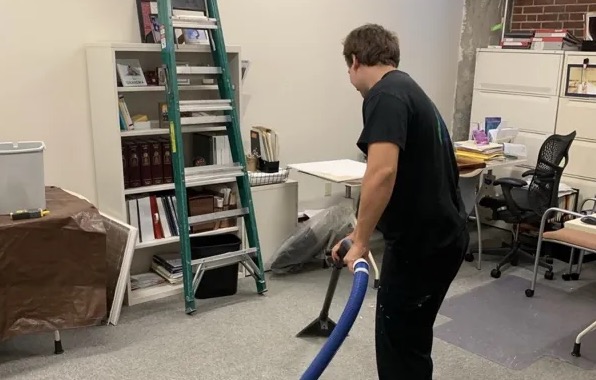
Professional Water Damage Repair in Lincoln, NE
When water infiltrates a home in Lincoln, it often seeps into subfloors and wall cavities, creating hidden hazards that evade casual inspection.
In Lincoln and nearby Waverly, Hickman and Ceresco, local pros handle the job from removing standing water to applying antimicrobial treatment, tracking moisture until materials are back to normal.
Water Damage Repair Scope of Work in Lincoln
Mold Remediation After Water
Hidden water damage often leads to mold. Pros remove moldy materials, HEPA vacuum the area and dry it so the mold does not return.
Water Damaged Floor Repair
Local pros in Lincoln check warped or delaminating hardwood, laminate and subfloor to decide what can be dried and what must be replaced.
Basement Flood Water Removal
Flooded basements need high-volume removal. Water extraction experts pump out the water, then extract it from carpet and belongings.
Ceiling Leak Water Cleanup
A stained, sagging ceiling may be holding water. Pros in Lincoln contain it, drain it through small holes if needed and extract it before it falls.
Carpet Water Extraction
Commercial extractors make several passes to pull water from carpet fibers and the pad below, which prevents odors and germs after a spill or leak.
Warning Signs You Need Water Damage Repair
Basement or Crawlspace Dampness
A basement floor or wall that stays damp means water is getting in and can lead to decay and mold.
Warped or Buckled Flooring
Wood floors or laminate that cups, buckles, or lifts shows water intrusion.
Visible Water Pools
Standing water in rooms or on floors indicates water damage and requires immediate attention.
Swollen Wood or Cabinets
Doors, window frames, or cabinets that stick or swell are water damaged.
How Water Damage Repair Works in Lincoln
Step 1: Source Stopping and Assessment
The first priority is stopping the water source, then assessing the scope of damage for the water damage repair plan.
Step 2: Water Removal and Extraction
Powerful extraction equipment is used for water removal from floors, carpets, and any cavities, preventing further saturation.
Step 3: Controlled Drying and Airflow
Strategic placement of drying equipment creates airflow across surfaces and materials to achieve complete moisture control.
Step 4: Cleaning and Sanitizing Surfaces
Affected surfaces are cleaned and sanitized to address contaminants and prepare the area for any needed repairs.
What Leads to Water Damage in Lincoln
Sump Pump Failure
A sump pump that stops working during heavy rain can quickly flood a basement.
Bathroom Fixture Leaks
Leaking toilets, showers, or sinks often cause slow, hidden water damage behind tiles and walls.
HVAC System Condensation Issues
Faulty condensate drains or leaking air handlers can drip water inside walls and ceilings.
Sewage Backup or Drain Clogs
A main line blockage can push contaminated water back up through floor drains.
Lincoln Water Damage Repair for All Property Types
Residential Water Damage Repair
At home, leaks and floods ruin floors, walls and belongings. The pros extract water and remove wet drywall to industry standards to protect the structure and air.
Commercial Water Damage Repair
For businesses, water damage can stop operations and ruin stock. The pros respond day or night to restore the space and control moisture so you can reopen.
Professional Water Damage Repair Compared to DIY
After a small, contained spill, you can wipe surfaces dry. For carpet that is wet, squishy, or covers a large area, avoid DIY carpet water extraction. Improper drying can ruin the carpet and pad, promoting mold growth.
What Influences Water Damage Repair Expense in Lincoln
Labor drives the cost of drywall removal or carpet extraction. Demolition, hauling debris and the number of air movers and dehumidifiers needed add up.
Water Damage Extent
The square footage soaked and depth of saturation dictate equipment needs and labor hours.
Emergency Service Timing
A 24/7 emergency response to stop escalating damage may involve after-hours mobilization. This immediate intervention helps control the ultimate restoration scope and cost.
Structural Repairs Required
After drying, some reconstruction like floor repair or drywall replacement may be needed. This rebuild phase is separate from the initial water extraction and drying.
Does Insurance Cover Water Damage Repair?
Mold remediation after water damage may be covered if the water loss itself was a covered event and mold resulted from it. Policies vary greatly on mold coverage limits. The pros document the sequential link between the water intrusion and any subsequent mold growth for your insurer.
Reasons to Hire Water Extraction Experts for Water Damage Repair
Advanced Water Extraction Equipment
Industrial pumps and extractors remove large volumes of water from flooded areas quickly.
Containment for Affected Areas
When needed, plastic sheeting isolates work zones. This helps contain dust and debris during wet material removal and drying operations.
Controlled Demolition Practices
When materials like wet drywall must be removed, it is done precisely. This minimizes unnecessary disturbance to surrounding, undamaged parts of your home.
Always-On Emergency Water Damage Repair in Lincoln
A basement flood requires urgent attention to prevent structural issues. Call (402) 704-4921 any time for emergency basement flood water removal. Rapid water removal helps limit damage to foundations, walls, and stored belongings in your home.
Call Now (402) 704-4921Locations for Water Damage Repair Beyond Lincoln
Addressing water damage in Lincoln involves systematic drying and affected material removal. The experts in Lincoln offer these services to the local community and nearby locations such as Waverly, Hickman and Ceresco.
- Water Damage Repair in Waverly
- Water Damage Repair in Hickman
- Water Damage Repair in Ceresco
- Water Damage Repair in Milford
- Water Damage Repair in Crete
- Water Damage Repair in Valparaiso
- Water Damage Repair in Seward
- Water Damage Repair in Ashland
- Emergency Damage Restoration in 68501
- Storm Damage Restoration in 68501
- Water Damage Restoration in 68501
- Water Extraction Service in 68501
- Water Leak Detection in 68501
- Water Removal Service in 68501
- Emergency Damage Restoration in 68502
- Storm Damage Restoration in 68502
Water Damage Repair Information and Answers
How quickly should water extraction services begin?
As soon as possible. Water spreads quickly and soaks into materials, so early work limits the damage.
What equipment is used for emergency water removal?
Industrial submersible pumps, truck-mounted or portable extractors, and wet/dry vacuums are used for water removal. These are followed by air movers and dehumidifiers for the structural drying phase.
How is drying monitored after water extraction?
Moisture meters and hygrometers are used to track moisture levels in materials and the air. Drying logs record progress until pre-determined dryness goals are met for all affected building materials.
Does water damage always lead to mold growth?
Not always, but mold can begin growing within 24-48 hours in damp conditions. Rapid and complete drying is the primary method to help prevent mold after a water damage incident.
What is mold remediation after water damage?
If mold develops from unresolved moisture, remediation involves containment, removal of contaminated materials, and air scrubbing.