Council Bluffs, IA · Pottawattamie County
Water Damage Assessment in Council Bluffs, IAMold Growth Risk Assessment & Water Leak Source Detection
Water Damage Assessment for Council Bluffs includes water leak source detection, moisture mapping, and structural damage inspection.
Answered 24/7
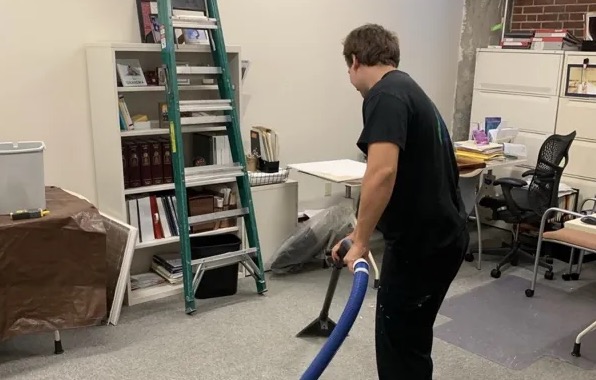
Professional Water Damage Assessment in Council Bluffs, IA
Thorough water damage evaluation in Council Bluffs aids in uncovering hidden moisture that could lead to costly structural repairs if ignored. Local moisture inspection pros utilize systematic methods to document all damage aspects for the property owner.
In Council Bluffs, a water damage evaluation maps moisture, checks the structure and lists damaged contents. The pros also serve places such as Carter Lake, Midtown and Dundee.
The Water Damage Assessment Services in Council Bluffs
Mold Growth Risk Assessment
Mold spores are always present. The assessment finds damp surfaces and cavities where mold could grow, which guides the final dryness checks in Council Bluffs.
Water Leak Source Detection
Stopping the flow is the first goal. The pros conduct a methodical inspection to find active leaks, from drips to major failures.
Hidden Water Damage Inspection
Water often spreads to unseen areas in Council Bluffs. The pros conduct a hidden water damage inspection using advanced detection tools.
Structural Damage Inspection
The inspection checks floors, ceilings and framing for sagging or buckling, which matters for safety after a water event.
Moisture Mapping
Accurate moisture mapping reveals invisible damage. The pros scan walls and floors with meters to find trapped moisture in construction materials.
Indicators of Hidden Water Damage in Council Bluffs
Musty or Moldy Odors
A persistent damp, earthy smell can signal hidden moisture and potential mold growth risk, requiring immediate investigation by the pros.
Rust on Pipes or Appliances
Corrosion on metal pipes, water heater tanks, or under sinks can be a symptom of persistent condensation or minor leaks.
Discolored Walls or Ceilings
Water stains or yellowish patches on walls and ceilings often indicate slow leaks or past flooding that need a professional water damage inspection.
Stained or Sagging Insulation
Discolored, damp, or drooping insulation in an attic or crawlspace is a red flag for ongoing water infiltration.
How Water Damage Assessment Works in Council Bluffs
Step 1: Emergency Contact and Leak Containment
The pros respond to your call to first stop active water flow. This initial leak detection services step prevents further flooding and stabilizes the situation for a detailed inspection.
Step 2: Thorough Moisture Mapping and Inspection
Pros use moisture meters and thermal cameras to map all affected areas, including inside walls and under floors.
Step 3: Damage Classification and Scope Outline
The pros determine the water category and class, assessing contamination levels. They then create a restoration scope and estimate outline detailing the necessary repairs and drying protocol.
Step 4: Detailed Reporting and Plan Presentation
You receive a complete water damage report with photos, moisture readings, and findings. The pros review the drying equipment plan and next steps for restoring your property.
Frequent Sources of Property Water Damage in Council Bluffs
Sprinkler System or Irrigation Leaks
Broken sprinkler heads or underground line leaks can saturate soil next to a foundation, promoting water intrusion and mold.
Plumbing Leaks and Burst Pipes
Failed pipe joints, corrosion or freezing can cause sudden floods or slow hidden leaks.
Severe Weather and Flooding
Heavy rain and flash floods can overwhelm drainage and push water into a building quickly.
Foundation Cracks and Poor Drainage
Hydrostatic pressure from poor yard grading or clogged drains can push water through foundation cracks, causing basement flooding.
Water Damage Assessment for Council Bluffs Homes and Businesses
Residential Water Damage Assessment
In condos and houses, the assessment checks damp areas like crawl spaces for mold risk, which shapes the drying plan.
Commercial Water Damage Assessment
For restaurants and hotels, the pros check kitchens, laundry areas and guest rooms so health concerns are part of the cleanup plan.
The Risks of Skipping Pro Water Damage Assessment in Council Bluffs
If a stain makes you suspect a leak inside a wall, watch it for changes. Do not cut into the drywall to look, since you could hit wires or pipes. The pros can find the source with meters.
Water Damage Assessment Cost in Council Bluffs, IA
In Council Bluffs, commercial assessments usually cost more because of larger spaces, more rooms and more complex scopes of work.
Mold Inspection Necessity
A concurrent mold growth risk assessment after water damage adds another layer of analysis to the overall service.
Extent of Water Intrusion
The size of the leak and the number of rooms affected set how long the inspection takes.
Inspection Depth Required
Finding hidden water behind walls or under floors takes more tools and time.
Does Insurance Cover Water Damage Assessment?
Whether your policy includes emergency water damage inspection costs depends on its language. The pros provide the necessary moisture meter readings and damage documentation for your claim process.
Advantages of Hiring Moisture Inspection Pros for Water Damage Assessment in Council Bluffs
Category and Class Analysis
Water is classified by category and evaporation class to determine the appropriate drying strategy and restoration response.
Detailed Moisture Mapping
Meters and thermal cameras show the full extent of the water, including what is hidden.
Belongings Assessment
Personal contents and belongings are evaluated for water damage as part of the overall property assessment process.
Emergency Water Damage Assessment in Council Bluffs, IA
For a water damage assessment day or night, call the pros at (402) 704-4921. Early records help with drying and your claim in Council Bluffs.
Call Now (402) 704-4921Water Damage Assessment Serving Council Bluffs, Carter Lake, Midtown and Dundee
Flood damage assessments with photos, readings and a written scope are available in Council Bluffs and neighboring Carter Lake, Midtown and Dundee.
- Water Damage Assessment in Carter Lake
- Water Damage Assessment in Midtown
- Water Damage Assessment in Dundee
- Water Damage Assessment in Crescent
- Water Damage Assessment in Bellevue
- Water Damage Assessment in Ralston
- Water Damage Assessment in Papillion
- Water Damage Assessment in La Vista
- Emergency Damage Restoration in 51501
- Storm Damage Restoration in 51501
- Water Damage Restoration in 51501
- Water Extraction Service in 51501
- Water Leak Detection in 51501
- Water Removal Service in 51501
- Emergency Damage Restoration in 51502
- Storm Damage Restoration in 51502
Common Water Damage Assessment Questions Answered
Is mold inspection after water damage always necessary?
While not always immediately visible, assessing mold risk is a prudent part of the process, as mold can begin growing within 24-48 hours in damp conditions.
How long does a water damage inspection take?
The duration depends on the property size and damage extent. A thorough evaluation with moisture meter readings and documentation typically takes several hours.
What does a water damage report include?
The report details findings from all inspection phases, including photos, moisture readings, identified sources, damage descriptions, and the recommended restoration scope.
Does a water damage assessment check for mold?
Yes, a mold growth risk assessment is a standard part of the evaluation, identifying conditions conducive to mold so preventative steps can be advised.
When is an emergency water damage inspection needed?
An emergency inspection is critical for major leaks, flooding, or any water incident where rapid documentation and action are needed to prevent further damage.