Washington, NE · Washington County
Sewage Water Removal in Washington, NESewage Backup Cleanup & Sewage Contaminated Drywall Removal
Emergency Sewage Water Removal in Washington addresses sewage backup cleanup, sewage spill containment, and sewage odor neutralization.
Answered 24/7
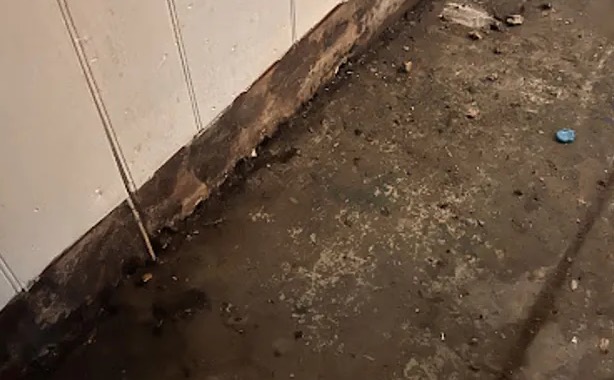
Professional Sewage Water Removal in Washington, NE
In Washington, sewage backup cleanup is urgent as contaminated water carries harmful pathogens that threaten health and property integrity. Sewage damage restoration pros respond day or night to prevent further structural damage and mold growth.
Sewage damage in Washington often means cutting out wet drywall and pulling up carpet. The pros extract and decontaminate here and in Bennington, Kennard and Elkhorn.
Specialized Sewage Water Removal for Washington Properties
Sewage Backup Cleanup
Sewage backup cleanup addresses contaminated water flowing back from drains. Prompt sewage water removal prevents property damage and health hazards. The pros use industry-standard methods for safe cleanup. For urgent issues in Washington, call (402) 704-4921.
Sewage Contaminated Drywall Removal
Sewage-contaminated drywall requires removal for safety. The specialists perform controlled demolition, which also improves air circulation for drying the structure.
Contaminated Carpet Removal
Porous flooring like carpet cannot be effectively sanitized after black water contact. Contaminated carpet removal is standard in sewage damage restoration.
Sewage Damage Sanitization
After sewage water extraction, thorough sanitization is required for safe re-occupancy. Professionals use hospital-grade disinfectants on floors, walls, and salvageable contents.
Sewage Odor Neutralization
Air fresheners only mask sewage odor. After extraction, pros use hydroxyl generators that break down the odor molecules so the space is livable again.
Indicators You Need Sewage Cleanup in Washington
Unexplained Illness in Household
Health symptoms can stem from airborne pathogens from a sewage spill, highlighting the need for sewage sanitization.
Damp Drywall Near Plumbing
Soft, stained, or bubbling drywall near pipes often hides sewage contamination, needing sewage affected drywall removal.
Sewage Around Floor Drains
Sewage pooling around floor drains points to a major blockage or a failed sewer pipe. Stay out of the water and get it removed.
Black Water in Toilets
Toilets overflowing with unsanitary black water signal a main line clog, a serious sewage spill requiring containment.
How Sewage Water Removal Works in Washington
Step 1: Sewage Threat Mitigation
The pros prioritize stopping the active flow and securing the site. This mitigation reduces the overall scope and cost of the sewage cleanup.
Step 2: Targeted Sewage Spill Cleanup
Cleanup focuses on specific impacted zones, removing sewage from each area methodically. The process includes detailed sewage spill cleanup of fixtures and affected contents.
Step 3: Decontamination and Odor Elimination
A two-phase treatment addresses both surfaces and the air. Specialists perform sewage odor neutralization to eradicate smells, not just mask them, after decontamination.
Step 4: Verification Drying and Documentation
Pros use moisture meters to verify all materials are dry. They also document the entire sewage damage repair process with photos and readings for your records.
Frequent Sources of Sewage Spills in Washington
Municipal Sewer System Overload
Heavy rainfall or system failures can overwhelm public sewers, forcing contaminated water back into residential properties.
Improperly Installed Plumbing
Incorrect slopes or faulty connections in drain lines create recurring clogs and frequent sewage backup issues.
Main Sewer Line Blockages
Tree roots, grease, or foreign objects can completely obstruct the main line, causing sewage backup into the home.
Flushing Non-Flushable Items
Wipes, hygiene products and paper towels clump together in the pipes and form blockages that push sewage back into the home.
Sewage Water Removal for Homes and Businesses in Washington
Residential Sewage Water Removal
A sewage backup at home is a health emergency. Local pros clean and sanitize bathrooms, basements and living areas, and remove soaked drywall and carpet.
Commercial Sewage Water Removal
A sewage spill can close a business. Pros contain it, then sanitize and deodorize retail, office or restaurant space so it can meet health codes and reopen.
The Risks of DIY Sewage Water Removal in Washington
After pros extract and sanitize, keep their fans and dehumidifiers running and the area ventilated. Do not remove the equipment early or treat the odor with store-bought chemicals.
Estimating Your Sewage Water Removal Expense in Washington
In Washington, sewage damage costs rise with after-hours response, hard-to-reach areas and the equipment needed to extract and sanitize.
Source of Contamination
A main sewer line backup involves more hazardous black water and wider contamination than an isolated toilet overflow, impacting safety protocols and cleanup scope.
Required Drying Time
The duration for structural drying after sewage water extraction depends on material saturation levels and ambient humidity in the space.
Affected Square Footage
The total area covered by sewage dictates the scale of extraction, drying, and disinfection efforts required for complete sewage damage repair.
Does Insurance Cover Sewage Water Removal?
Whether insurance covers sewage water removal depends entirely on your policy's specific terms and the covered peril that caused the backup. The pros document all damage with photos and moisture readings for your claim submission.
Why Choose Local Sewage Removal Pros for Sewage Water Removal in Washington
Clog Identification Assistance
Helping pinpoint the location and nature of a blockage in the sewage system during the initial assessment phase.
IICRC-Standard Sanitization
Procedures follow industry guidelines for disinfecting surfaces after sewage exposure, addressing health risks from contamination with appropriate antimicrobial agents.
Black Water Extraction Focus
Specialized pumps and extractors remove Category 3 contaminated water, the critical first step in any sewage cleanup process.
Urgent Sewage Water Removal Response for Washington
Sewage contamination cleanup cannot be postponed. To stop the spread of harmful bacteria and begin restoration, contact the pros at (402) 704-4921. They are available anytime for help in Washington.
Call Now (402) 704-4921Sewage Water Removal Near Washington: Areas Served
In Washington, sewage backup cleanup follows strict safety steps. The same help is available in surrounding areas such as Bennington, Kennard and Elkhorn.
- Sewage Water Removal in Bennington
- Sewage Water Removal in Kennard
- Sewage Water Removal in Elkhorn
- Sewage Water Removal in Arlington
- Sewage Water Removal in Waterloo
- Sewage Water Removal in Valley
- Sewage Water Removal in Fort Calhoun
- Sewage Water Removal in Boys Town
- Emergency Damage Restoration in 68068
- Storm Damage Restoration in 68068
- Water Damage Restoration in 68068
- Water Extraction Service in 68068
- Water Leak Detection in 68068
- Water Removal Service in 68068
Sewage Water Removal FAQs
What happens to removed sewage-contaminated materials?
Removed porous materials like drywall and carpet are bagged securely as hazardous waste and disposed of according to local regulations for contaminated construction debris.
Does sewage removal involve repairing the plumbing?
Sewage removal focuses on cleanup and restoration. While pros may help identify a clog's location, actual plumbing repair for the line itself typically requires a separate professional plumber, as local regulations often require specific qualifications for that work.
Can a sewage backup cause mold growth later?
Yes, if drying is incomplete. Moisture left inside walls or under floors after a sewage backup can lead to mold, so drying is checked with meters.
Can sewage odor be permanently removed?
Yes. Pros clean the source, apply deodorizing agents and run air scrubbers so the odor is removed, not just masked.
Why is sewage contamination cleanup a health priority?
Sewage contains harmful bacteria, viruses, and parasites. Prompt professional cleanup is a health priority to eliminate these pathogens and prevent illness or long-term exposure risks in the home.