Glenwood, IA · Mills County
Sewage Water Extraction in Glenwood, IAContaminated Flooring Removal & Flooded Basement Cleanup
Sewage Water Extraction in Glenwood covers flooded basement cleanup, black water extraction, sewage damage sanitization and sewage odor removal.
Answered 24/7
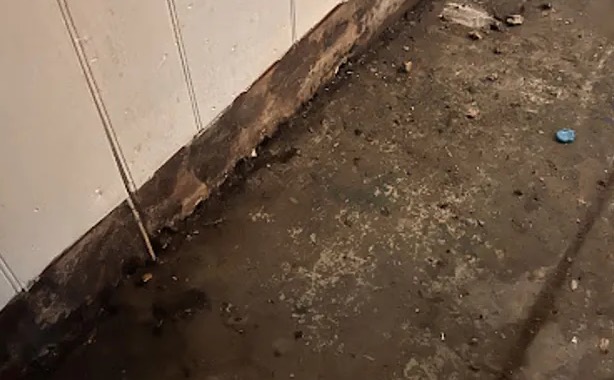
Sewage Water Removal in Glenwood, Iowa
Sewage that sits in a home for a day soaks deeper into flooring and walls and makes the smell harder to remove. Fast extraction limits both.
Sewage water extraction is available in Glenwood and nearby Plattsmouth, Malvern and Bellevue. The pros handle toilet overflows, floor drain backups and main line backups in homes and businesses.
Sewage Extraction and Sanitizing in Glenwood
Contaminated Flooring Removal
Laminate, vinyl plank and wood floors that sewage seeped under are lifted so the subfloor can be cleaned, disinfected and dried.
Flooded Basement Cleanup
When sewage backs up through a basement floor drain, the pros pump out the water, remove soaked finishes and clean and disinfect the slab and walls.
Sewage Odor Removal
The smell comes from waste left in porous materials. Removing those materials and cleaning the hard surfaces does most of the work.
Sewage Backup Cleanup
Cleanup covers floors, the lower part of walls, cabinets and fixtures touched by the backup, followed by disinfection and drying.
Sewage Damage Sanitization
Floors, walls, cabinets and fixtures touched by sewage are cleaned with detergent first, then treated with a registered disinfectant.
Sewage Backup Warning Signs in Glenwood
Wet Drywall Near Bathrooms
Damp, stained or soft drywall next to a bathroom or laundry can mean a leaking drain inside the wall.
Water Around the Basement Floor Drain
Dark water pooling around a basement floor drain after heavy rain or laundry use is often the first sign of a sewage backup.
Stained or Wet Flooring Near Fixtures
Dark stains, lifting tile or soft flooring around a toilet or tub can mean a slow leak from the drain connection.
Slow Drains Throughout the House
When several drains slow down at once, the main line is often partly blocked and a backup may be close.
How Sewage Water Extraction Works in Glenwood
Step 1: Sort Belongings
Items that sewage touched are sorted into those that can be cleaned, such as hard plastics, and those that must be thrown out.
Step 2: Extract the Sewage
Sewage and dirty water are extracted from every affected room, starting where it is deepest.
Step 3: Contaminated Drywall Removal
Wet drywall and insulation are removed so the wall cavities can be cleaned and disinfected.
Step 4: Dry and Deodorize
Drying equipment runs with air scrubbers until materials are dry and the air no longer smells of sewage.
Where Sewage Backups Start in Glenwood
Collapsed or Sagging Pipe
Old pipes can crack, sag or collapse as soil shifts, leaving low spots where waste collects and blocks the flow.
Toilet and Fixture Clogs
A clogged toilet that keeps getting flushed can overflow sewage across the bathroom and into rooms nearby.
Main Line Clog
A blockage in the main building drain sends sewage from every fixture to the lowest drain in the house.
Flushed Wipes and Debris
Wipes, paper towels and hygiene products do not break down like toilet paper and form clogs in the main line.
Sewage Water Extraction for Every Property in Glenwood, IA
Residential Sewage Water Extraction
Families with young children, older adults or anyone with health problems should stay away from the area until cleanup and disinfection are finished.
Commercial Sewage Water Extraction
Commercial kitchens and food businesses need floors, drains and nearby surfaces cleaned and disinfected before they can be used again.
What You Can Do Before Sewage Cleanup Starts
Stop using water in the house: no flushing, showers, laundry or dishwasher. Every drop sent down the drain can come back up as sewage in the lowest fixture.
Factors in Sewage Cleanup Cost in Glenwood
Costs rise when sewage sits for a long time, because it soaks deeper into walls and flooring and makes odor harder to remove.
Disinfection Work
Cleaning and treating floors, studs and fixtures takes time and materials that a clean water job does not need.
Access and Layout
Tight crawl spaces, finished floors and spaces under cabinets take longer to clean than an open concrete floor.
Amount of Sewage
A few inches across one room needs less pumping and extraction than sewage that spread across several rooms.
Does Insurance Cover Sewage Water Extraction?
Commercial policies vary on sewage backup coverage. Business owners should check with their agent about cleanup and lost business time.
Why Professional Sewage Extraction Pays Off
Hidden Contamination Found
Moisture meters show how far sewage wicked into walls and under flooring, so contaminated material is not left behind.
Protective Gear and Containment
The pros work in protective gear and close off the area so sewage is not spread to clean rooms during cleanup.
Clean Before Disinfecting
Surfaces are cleaned first and then disinfected, which is how disinfectants are meant to work.
Sewage Backing Up Right Now in Glenwood?
Do not try to mop up sewage yourself. Call (402) 704-4921 so the area can be cleaned, disinfected and dried safely.
Call Now (402) 704-4921Sewage Water Extraction Coverage in Glenwood and Beyond
Help with sewage water extraction is available in Glenwood and nearby Plattsmouth, Malvern and Bellevue, with extraction and cleanup around the clock.
- Sewage Water Extraction in Plattsmouth
- Sewage Water Extraction in Malvern
- Sewage Water Extraction in Bellevue
- Sewage Water Extraction in Tabor
- Sewage Water Extraction in Treynor
- Sewage Water Extraction in Council Bluffs
- Sewage Water Extraction in Papillion
- Sewage Water Extraction in Midtown
- Emergency Damage Restoration in 51534
- Storm Damage Restoration in 51534
- Water Damage Restoration in 51534
- Water Extraction Service in 51534
- Water Leak Detection in 51534
- Water Removal Service in 51534
Common Questions After a Sewage Backup
Can I stay in my home during sewage cleanup?
Often yes, if the affected area is closed off and you can avoid it. People with health problems, infants and older adults may want to stay elsewhere.
Is bleach enough to clean up sewage?
No. Bleach does not work well on surfaces still covered in waste, and it cannot clean porous materials. Removal and proper cleaning come first.
How long does sewage cleanup take?
Extraction and removal often take a day. Cleaning, disinfecting and drying usually take three to five more days, depending on the size of the area.
Should I call a plumber or a cleanup company first?
Both. A plumber clears the blockage so sewage stops coming up, and the cleanup pros extract, clean and dry the affected area.
What does sewage cleanup cost?
It depends on how much sewage there is, how many rooms it reached and what must be removed. The pros give a price after seeing the damage.