Valley, NE · Douglas County
Roof Leak Water Removal in Valley, NEWall Cavity Drying & Leak Source Identification
Local restoration pros in Valley provide roof leak water removal with emergency roof tarping, wall cavity drying and structural drying services.
Answered 24/7
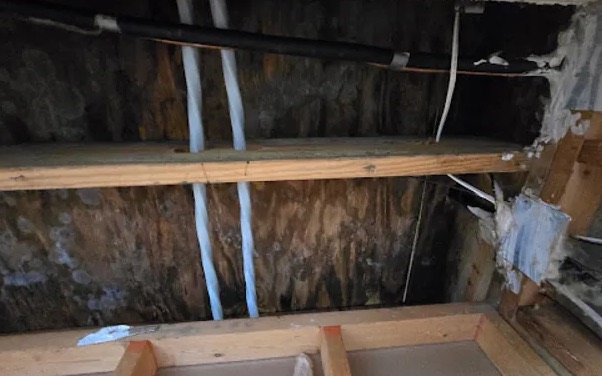
Water From a Roof Leak in Valley, Nebraska
Roof Leak Water Removal deals with the water that a roof leak puts inside the house: in the attic, on top of the ceiling, inside walls and on floors.
Roof leak water removal is available in Valley and nearby Waterloo, Yutan and Elkhorn. The pros tarp the opening if needed, extract the water and dry the attic framing and ceiling drywall.
Roof Leak Cleanup Services in Valley, NE
Wall Cavity Drying
Water that follows a top plate or a pipe chase can soak insulation inside a wall. Moisture meters find it, and air is pushed into the cavity to dry it.
Leak Source Identification
Photos of the entry point, the wet decking and the path of the water give the roofer and your insurer a clear record of the leak.
Ceiling Water Damage Cleanup
Ceiling cleanup covers the drywall, texture and any wet insulation resting on it. Readings decide whether a panel can be dried in place or must be replaced.
Wet Contents Protection
Belongings stored in the attic or sitting under a dripping ceiling are moved to a dry room so they do not keep absorbing water while drying runs.
Structural Drying Services
Air movers and dehumidifiers are set up in the attic and the rooms below. Rafters, decking and joists are metered daily until they reach normal readings.
Roof Leak Warning Signs in Valley
Puddles Under the Ceiling
Water on the floor under a stain or a drip means the ceiling above is already holding more than it can absorb.
Peeling Paint on Upper Walls
Bubbling or peeling paint near the ceiling line on exterior walls points to water running down inside the wall.
Daylight Through the Roof Deck
Light showing through the decking from inside the attic marks a gap where rain can come straight in.
Damp Baseboards on Exterior Walls
Wet or swelling baseboards under a ceiling stain mean water has traveled down the wall cavity from the attic.
How Roof Leak Water Removal Works in Valley
Step 1: Find Where the Water Enters
The pros trace the water from the stain up into the attic to locate the entry point and note it for the roofer.
Step 2: Measure the Wet Area
Moisture meters and a thermal camera show how far the water spread across the attic, ceiling and walls.
Step 3: Extract and Remove
Standing water is removed, and drywall or insulation that is too wet to dry in place is cut out.
Step 4: Dry and Verify
Drying equipment runs until readings in the wood and drywall match dry areas of the house, and the results are recorded.
Common Causes of Roof Leaks in Valley
Nail Pops and Old Penetrations
Nails that back out and holes left from old dishes or antennas open small paths for water that grow with each storm.
Storm Debris and Hail
Falling branches and hail can crack shingles or puncture the deck, opening a direct path for rain into the attic.
Damaged or Missing Shingles
Wind, age and impact lift or tear shingles and leave the underlayment exposed, so rain soaks straight into the decking.
Aging Roofing Materials
As shingles age they curl, lose granules and crack, and slow leaks start where the roof covering has worn thin.
Residential and Commercial Roof Leak Water Removal in Valley
Residential Roof Leak Water Removal
Attic work in a house is tight. The pros in Valley work from the joists, remove wet insulation and dry the ceiling drywall without stepping through it.
Commercial Roof Leak Water Removal
Leaks over stores and offices can wet stock, desks and electronics. The pros move contents out of the drip zone, extract the water and set up drying for the affected suites.
Roof Leak Cleanup: DIY or Professional in Valley
If water is near lights or outlets, turn off that circuit at the breaker. Do not stand on a wet floor to reach a fixture that is dripping.
What Roof Leak Water Removal Costs in Valley
In Valley, the biggest cost drivers after a roof leak are wet insulation, wet ceiling drywall and how hard the attic is to work in.
Ceiling Drywall
Ceilings that can be dried in place cost less than ones that sag or crumble and have to be cut out and replaced.
Insulation Removal
Bagging and hauling soaked insulation takes labor, and the attic needs new insulation once the framing is dry.
Emergency Tarping
If the roof needs a tarp before drying can start, the materials and labor for that step add to the bill.
Does Insurance Cover Roof Leak Water Removal?
Many homeowner policies cover sudden roof leaks caused by a storm or falling tree, but not leaks from wear and age. Your insurer decides what is covered.
Why Call Local Restoration Pros for Roof Leak Water Removal in Valley
Safe Attic Work
The pros know how to move through an attic on the framing and handle wet ceilings without bringing them down.
Wet Insulation Handled
Soaked insulation is bagged and removed so the ceiling and framing can dry instead of staying damp under it.
Records for Your Claim
Photos, readings and a materials list give your adjuster a clear picture of what the roof leak damaged.
24/7 Emergency Roof Leak Water Removal in Valley
Wet insulation and a stained ceiling after last night's rain? Call (402) 704-4921 so the attic can be dried before the drywall has to come down.
Call Now (402) 704-4921Local Roof Leak Water Removal Coverage for Valley
The pros cover Valley and surrounding communities including Waterloo, Yutan and Elkhorn for roof leak tarping, extraction and drying.
- Roof Leak Water Removal in Waterloo
- Roof Leak Water Removal in Yutan
- Roof Leak Water Removal in Elkhorn
- Roof Leak Water Removal in Washington
- Roof Leak Water Removal in Mead
- Roof Leak Water Removal in Arlington
- Roof Leak Water Removal in Bennington
- Roof Leak Water Removal in Fremont
- Emergency Damage Restoration in 68064
- Storm Damage Restoration in 68064
- Water Damage Restoration in 68064
- Water Extraction Service in 68064
- Water Leak Detection in 68064
- Water Removal Service in 68064
Roof Leak Water Removal FAQs
Can a roof leak cause mold in the attic?
Yes, if the wood and insulation stay wet. Prompt extraction and drying, plus removing soaked insulation, keep the attic from staying damp long enough for mold.
What should I do first when I find a roof leak?
Catch drips, move belongings away, turn off power to wet fixtures and take photos. Then call (402) 704-4921 to have the water removed and the attic dried.
What does emergency roof tarping involve?
A heavy tarp is laid over the damaged area and fastened down so rain stops coming in. It stays until a roofer makes the permanent repair.
How is water removed from an attic?
Standing water is pulled out with wet vacuums and extractors, then soaked insulation is removed so the ceiling and framing can be dried.
Why should rainwater be removed from the attic quickly?
Water in the attic soaks through the ceiling into the rooms below and keeps the framing wet. Removing it early limits drywall and insulation losses.