Oakland, IA · Pottawattamie County
Roof Leak Water Removal in Oakland, IAWet Contents Protection & Wet Insulation Removal
Roof Leak Water Removal in Oakland covers emergency roof tarping, attic water extraction, ceiling water damage cleanup and wet insulation removal.
Answered 24/7
Water From a Roof Leak in Oakland, Iowa
When a storm pushes water through the roof of an Oakland home, the attic is the first place it collects and the hardest place to dry.
Roof leak water removal is available in Oakland and nearby Treynor, Neola and Underwood. The pros tarp the opening if needed, extract the water and dry the attic framing and ceiling drywall.
Roof Leak Water Removal Work in Oakland
Wet Contents Protection
Furniture, rugs and boxes under the leak are moved, blocked up or covered. Wet items are listed and photographed before they are dried or set aside.
Wet Insulation Removal
Insulation that only got damp at the edges may dry in place. Material that is matted, stained or smells musty is taken out and replaced after drying.
Ceiling Water Damage Cleanup
If water is trapped above the ceiling, the pros drain it through a small controlled hole, then dry the joists and decide what drywall must come down.
Emergency Roof Tarping
When shingles are torn or a branch has punched a hole, the pros cover the opening with a weighted or battened tarp before they start drying the attic.
Attic Water Extraction
In Oakland homes with low attics, extraction is done with compact equipment that fits between joists and over ceiling drywall without stepping through it.
How to Tell Water Is Coming Through the Roof
Water Stains on the Ceiling
Brown or yellow rings on the ceiling, often growing after each rain, mean water is reaching the drywall from above.
Wet or Flattened Insulation
Insulation that is matted, stained or damp to the touch in the attic means rain is getting past the roof deck.
Gutters Spilling Over the Roof Edge
Gutters that overflow toward the house during storms can push water under the shingles and into the wall top plates.
Dark Spots on Attic Wood
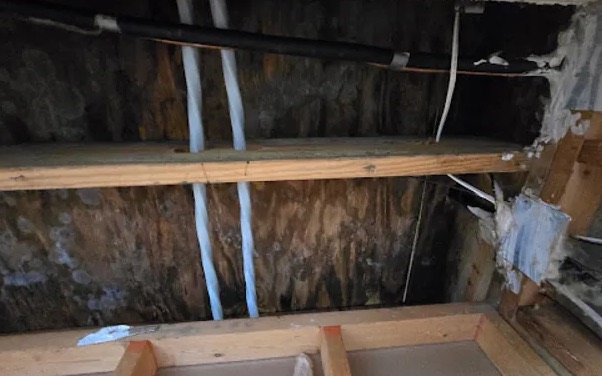
Dark streaks or spots on rafters and roof decking show where water has been running or sitting for a while.
How Roof Leak Water Removal Works in Oakland
Step 1: Stop the Water
The opening in the roof is tarped and drips inside are caught, so no more rain reaches the attic while the cleanup starts.
Step 2: Attic Water Extraction
Standing water is pulled from the attic floor and from on top of the ceiling with wet vacuums and portable extractors.
Step 3: Remove Wet Insulation
Soaked insulation is bagged and taken out so the drywall and joists underneath are open to air.
Step 4: Structural Drying
Air movers and dehumidifiers dry the rafters, decking and ceiling, with readings taken each day until the wood is dry.
Common Causes of Roof Leaks in Oakland
Ice Dam Formation
In freezing weather, ice at the roof edge traps melting snow, and the water backs up under the shingles into the attic.
Skylight Seals
Skylight gaskets and curb flashing wear out, and water runs into the shaft and down the drywall around the opening.
Cracked Vent Boots
The rubber collars around plumbing vents dry out and split with age, letting rain drip down the pipe into the attic.
Aging Roofing Materials
As shingles age they curl, lose granules and crack, and slow leaks start where the roof covering has worn thin.
Roof Leak Water Removal for Every Property in Oakland, IA
Residential Roof Leak Water Removal
In older Oakland homes, leaks often follow old chimney chases or plaster ceilings. The pros check these areas closely because plaster holds water longer than drywall.
Commercial Roof Leak Water Removal
Warehouses and shops with large roof areas can have several leaks at once. The pros map each wet area, extract water and dry the structure section by section.
What You Can Do Before Help Starts on a Roof Leak
Stay out of an attic that has standing water or soft spots. Ceiling drywall between the joists will not hold your weight and can give way.
Roof Leak Water Removal Cost in Oakland, IA
Leaks found early cost less to clean up. Water that sat for a long time can mean more drywall and insulation to replace and longer drying.
How Long It Leaked
A leak caught during the first storm usually means less wet material than one that has been dripping into the attic for weeks.
Size of the Wet Area
The square footage of wet attic, ceiling and wall sets how much equipment is needed and how long it runs.
Ceiling Drywall
Ceilings that can be dried in place cost less than ones that sag or crumble and have to be cut out and replaced.
Does Insurance Cover Roof Leak Water Removal?
Call your insurer soon after you find the leak. Photos of the ceiling, attic and roof, plus the moisture readings, help the adjuster review the claim.
Reasons to Use Local Pros for Roof Leak Cleanup
Safe Attic Work
The pros know how to move through an attic on the framing and handle wet ceilings without bringing them down.
Drying to Measured Targets
Drying stops only when meters show the wood and drywall are dry, not when the surface looks dry.
Finding Hidden Water
Thermal cameras and moisture meters find wet insulation and wall cavities that are not visible from the room below.
Emergency Roof Leak Help in Oakland, IA
Do not wait for a dry day to deal with a roof leak. Call (402) 704-4921 24/7 to stop the water and start drying the attic and ceilings.
Call Now (402) 704-4921Roof Leak Water Removal Near Oakland: Areas Served
Roof leak water removal is available in Oakland and nearby Treynor, Neola and Underwood. The pros tarp, extract and dry attics and ceilings after storms.
- Roof Leak Water Removal in Treynor
- Roof Leak Water Removal in Neola
- Roof Leak Water Removal in Underwood
- Roof Leak Water Removal in Atlantic
- Roof Leak Water Removal in Red Oak
- Roof Leak Water Removal in Crescent
- Roof Leak Water Removal in Malvern
- Roof Leak Water Removal in Council Bluffs
- Emergency Damage Restoration in 51560
- Storm Damage Restoration in 51560
- Water Damage Restoration in 51560
- Water Extraction Service in 51560
- Water Leak Detection in 51560
- Water Removal Service in 51560
Roof Leak Water Removal Questions Answered
How long does it take to dry an attic after a roof leak?
Drying usually takes three to five days, depending on how wet the wood is and how much insulation came out. Readings decide when it is done.
Does a stained ceiling always need to be replaced?
No. If moisture readings show the drywall is firm and dries out, it can often stay and be primed and painted. Soft or sagging sections are replaced.
How soon should water removal start after a roof leak?
As soon as possible. Wet drywall and insulation can start to grow mold in 24 to 48 hours, and a ceiling holding water can sag and fall.
Can a roof leak cause mold in the attic?
Yes, if the wood and insulation stay wet. Prompt extraction and drying, plus removing soaked insulation, keep the attic from staying damp long enough for mold.
Will water removal fix my roof?
No. Water removal dries the inside of the house. The pros can tarp the opening, but a roofer must replace shingles, flashing or decking.