Missouri Valley, IA · Harrison County
Roof Leak Water Removal in Missouri Valley, IAWall Cavity Drying & Wet Contents Protection
Roof Leak Water Removal in Missouri Valley starts with emergency roof tarping and attic water extraction, then moves to wet insulation removal and structural drying services.
Answered 24/7
Roof Leak Water Removal in Missouri Valley, IA
When a storm pushes water through the roof of a Missouri Valley home, the attic is the first place it collects and the hardest place to dry.
Roof leak water removal is available in Missouri Valley and nearby Logan, Honey Creek and Fort Calhoun. The pros tarp the opening if needed, extract the water and dry the attic framing and ceiling drywall.
What Roof Leak Water Removal Covers in Missouri Valley
Wall Cavity Drying
Water that follows a top plate or a pipe chase can soak insulation inside a wall. Moisture meters find it, and air is pushed into the cavity to dry it.
Wet Contents Protection
Wet contents are sorted into items that can be dried and items that cannot. A photo list of each is kept for the insurance claim.
Leak Source Identification
Water often travels along rafters before it drips, so the stain is rarely under the hole. Tracing it in the attic shows the real entry point.
Structural Drying Services
Wet framing in Missouri Valley attics is dried with directed airflow and dehumidification. Daily readings show when the wood is dry enough for repairs.
Attic Water Extraction
The pros remove standing water from the attic first, because a ceiling holding water can sag and give way under the weight.
When a Roof Leak Needs Water Removal
Water Stains on the Ceiling
Brown or yellow rings on the ceiling, often growing after each rain, mean water is reaching the drywall from above.
Dark Spots on Attic Wood
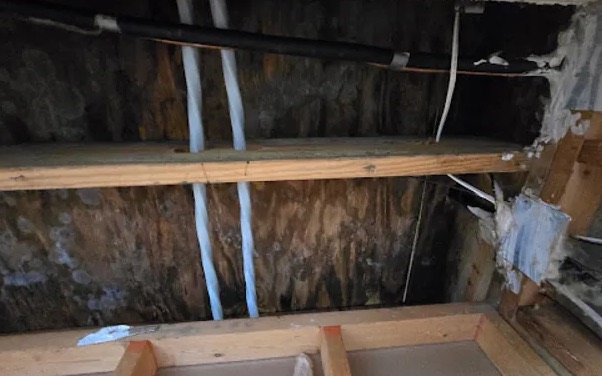
Dark streaks or spots on rafters and roof decking show where water has been running or sitting for a while.
Damp Baseboards on Exterior Walls
Wet or swelling baseboards under a ceiling stain mean water has traveled down the wall cavity from the attic.
Peeling Paint on Upper Walls
Bubbling or peeling paint near the ceiling line on exterior walls points to water running down inside the wall.
How Roof Leak Water Removal Works in Missouri Valley
Step 1: Protect the Rooms Below
Furniture and belongings under the leak are moved or covered, and floors are protected before any ceiling work begins.
Step 2: Drain and Open the Ceiling
Water trapped above the ceiling is drained through a small hole, and soft drywall is removed to reach the wet cavity.
Step 3: Dry Walls and Framing
Wall cavities under the leak are checked and dried along with the joists and top plates the water ran across.
Step 4: Document for the Claim
Photos, moisture logs and a list of removed materials are put together for you to share with your insurer.
Why Water Gets Into the Attic in Missouri Valley
Ice Dam Formation
In freezing weather, ice at the roof edge traps melting snow, and the water backs up under the shingles into the attic.
Cracked Vent Boots
The rubber collars around plumbing vents dry out and split with age, letting rain drip down the pipe into the attic.
Attic Condensation
Warm, humid indoor air meeting a cold roof deck in winter forms frost and drips that can look like a leak and soak insulation.
Clogged Gutters
Leaves and debris in gutters make water back up at the roof edge, where it seeps under shingles and into the soffit and walls.
Home and Business Roof Leak Cleanup in Missouri Valley
Residential Roof Leak Water Removal
For homeowners, drying the attic and ceiling before stains spread can save the drywall. Moisture readings show what can stay and what has to come out.
Commercial Roof Leak Water Removal
Property managers get moisture readings and photos for each affected unit or suite, which helps when several tenants and an owner's insurer are involved.
Roof Leak Cleanup: DIY or Professional in Missouri Valley
If water is near lights or outlets, turn off that circuit at the breaker. Do not stand on a wet floor to reach a fixture that is dripping.
Roof Leak Water Removal Cost in Missouri Valley, IA
In Missouri Valley, the biggest cost drivers after a roof leak are wet insulation, wet ceiling drywall and how hard the attic is to work in.
Ceiling Drywall
Ceilings that can be dried in place cost less than ones that sag or crumble and have to be cut out and replaced.
How Long It Leaked
A leak caught during the first storm usually means less wet material than one that has been dripping into the attic for weeks.
Size of the Wet Area
The square footage of wet attic, ceiling and wall sets how much equipment is needed and how long it runs.
Does Insurance Cover Roof Leak Water Removal?
Some policies limit payment if a leak was left unrepaired for a long time. Report it promptly and keep receipts for the tarp and any emergency work.
Why Call Local Pros for Roof Leak Water Removal in Missouri Valley
Records for Your Claim
Photos, readings and a materials list give your adjuster a clear picture of what the roof leak damaged.
24/7 Help During Storms
Roof leaks happen when it rains, often at night. Help is available around the clock, so tarping and extraction can start once it is safe.
Drying to Measured Targets
Drying stops only when meters show the wood and drywall are dry, not when the surface looks dry.
Emergency Roof Leak Help in Missouri Valley, IA
A sagging ceiling can come down without warning. Keep people out of the room and call (402) 704-4921 for emergency roof leak water removal in Missouri Valley.
Call Now (402) 704-4921Areas Served for Roof Leak Water Removal Near Missouri Valley
Homes in Missouri Valley and nearby places such as Logan, Honey Creek and Fort Calhoun can get help with attic water extraction, wet insulation and ceiling drying after a roof leak.
- Roof Leak Water Removal in Logan
- Roof Leak Water Removal in Honey Creek
- Roof Leak Water Removal in Fort Calhoun
- Roof Leak Water Removal in Blair
- Roof Leak Water Removal in Crescent
- Roof Leak Water Removal in Neola
- Roof Leak Water Removal in Woodbine
- Roof Leak Water Removal in Kennard
- Emergency Damage Restoration in 51555
- Storm Damage Restoration in 51555
- Water Damage Restoration in 51555
- Water Extraction Service in 51555
- Water Leak Detection in 51555
- Water Removal Service in 51555
Questions About Roof Leak Water Removal
Can my belongings be saved after a roof leak?
Many can. Furniture and boxes are moved out of the drip zone and dried. Items that soaked for a long time or are badly stained may not be worth saving.
What happens after the water is removed?
Drying equipment runs and the pros take readings until the attic and ceiling are dry. Then the roofer and drywall repairs can go ahead.
What tools help find a hidden roof leak?
Moisture meters, thermal cameras and a careful look at the attic decking help the pros spot wet areas that are not visible from below.
Is it safe to stay in a room with a wet ceiling?
Keep people out from under a ceiling that sags or drips. Turn off power to wet light fixtures until the ceiling has been checked.
How long does it take to dry an attic after a roof leak?
Drying usually takes three to five days, depending on how wet the wood is and how much insulation came out. Readings decide when it is done.