Gretna, NE · Sarpy County
Hydrostatic Pressure Water Removal in Gretna, NEStructural Drying After Intrusion & Basement Hydrostatic Pressure Flooding
Hydrostatic Pressure Water Removal in Gretna covers groundwater intrusion mitigation, wet subfloor removal and crawl space water extraction.
Answered 24/7
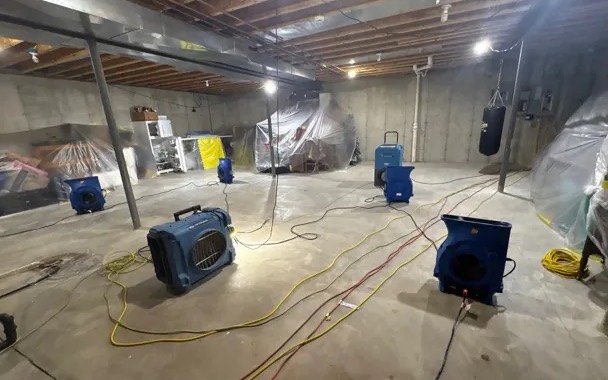
Hydrostatic Pressure Water Removal Solutions for Gretna Homes
Water that keeps coming up through a slab damages flooring and keeps the lower level damp. Removing it is the water side of the job, and a structural check is a separate step for a contractor.
In Gretna and nearby Chalco, Millard and Springfield, soaked soil can push water into basements and crawl spaces. Local hydrostatic pressure experts extract the water and dry the structure.
Detailed Hydrostatic Pressure Water Removal Methods
Structural Drying After Intrusion
Drying equipment is placed to pull moisture out of wall cavities, subfloors and framing, not just to dry what you can see.
Basement Hydrostatic Pressure Flooding
When the soil around a basement is soaked, water pressure pushes water through the walls and floor. Local hydrostatic pressure experts pump it out and dry the basement before finishes and stored items are ruined.
Slab Leak Water Removal
For slab leaks in Gretna, the experts remove the water and dry the slab and flooring above it.
Groundwater Intrusion Mitigation
The first step is extracting all visible water. The pros then note where water is getting in so you know what to ask a drainage contractor about.
Wet Subfloor Removal
Subfloor that stayed soaked after a groundwater flood may have to be removed. The water is extracted, the damaged sections cut out and the area dried for new material.
Warning Signs You Need Hydrostatic Pressure Water Removal
Gurgling Sounds From Floor Drains
Gurgling floor drains during heavy rain can mean water pressure is building in the drain lines around the house.
Sump Pump Running Constantly
A sump pump that runs nonstop means a lot of groundwater is coming in around the foundation.
Spongy or Soft Spots on Floors
Damp spots or lifting flooring on a slab can mean water is coming up from below.
Water Seeping From Foundation Walls
Water seeping at the base of foundation walls means groundwater is being pushed in by pressure from the soil.
How Hydrostatic Pressure Water Removal Works in Gretna
Step 1: Initial Pressure Evaluation
The pros look at where the water came in and how wet the soil-side walls and floor are.
Step 2: Sub-Slab Water Removal
Using specialized extraction tools, pros remove water trapped beneath concrete slabs and flooring.
Step 3: Targeted Structural Drying
Drying equipment is aimed at framing, joists and sill plates so the structure dries all the way through.
Step 4: Documentation for Insurance
Moisture readings, photos and notes on the work are put together for your insurance claim.
How Hydrostatic Pressure Creates Water Removal Emergencies
Improper Landscaping and Irrigation
Landscaping that slopes toward the house, or heavy watering near it, adds water to the soil against the foundation.
Sump Pump Malfunction or Failure
A sump pump that fails cannot remove groundwater, so it builds up and floods the lower level.
Clogged or Collapsed Footing Drains
When perimeter drains clog or fail, water has nowhere to go and presses against the walls and slab.
Failed or Missing Waterproofing
Worn exterior coatings or membranes let groundwater reach the foundation wall directly.
Hydrostatic Pressure Water Removal for Foundation Protection
Residential Hydrostatic Pressure Water Removal
Persistent basement flooding from hydrostatic pressure can ruin furnaces, water heaters and stored items. The professionals dry the structure fully to prevent further damage.
Commercial Hydrostatic Pressure Water Removal
In multi-tenant buildings, groundwater cleanup has to be planned around other businesses. The pros coordinate access and drying to limit disruption.
Why Hydrostatic Pressure Water Removal Requires Local Pros in Gretna
If a plumbing leak may be adding to the water, shut off the main valve. Finding where groundwater enters and drying the structure takes meters and drying equipment.
What Influences Hydrostatic Pressure Water Removal Costs in Gretna
Groundwater cleanup cost around Chalco, Millard and Springfield depends on how strong the pressure is, which materials are affected and how much waterproofing repair is needed.
Mitigation Measures
Drainage or waterproofing work to stop water from returning is a separate cost from the water removal.
Equipment Needs
Large pumps and industrial dehumidifiers for big jobs add to the equipment cost.
Affected Area Size
Larger flooded areas or large wet subfloors need more equipment and more days of drying.
Does Insurance Cover Hydrostatic Pressure Water Removal?
Removing wet subfloor may be covered if the water came from a covered event. The experts document the subfloor and why it had to come out, and your insurer decides.
Selecting Local Pros for Hydrostatic Pressure Water Removal in Gretna, NE
24/7 Emergency Response
Removing water from a flooded lower level early limits damage to framing and lowers the mold risk.
Detailed Documentation
Photos and moisture logs of the work are kept to support your insurance claim.
Controlled Demolition Protocols
Only subfloor and materials that cannot be dried are removed, which keeps the repair smaller.
Around-the-Clock Help for Hydrostatic Flooding in Gretna
If water is coming through foundation cracks or up through the slab, call (402) 704-4921 for 24/7 help in Gretna. Removing it early keeps the damage smaller.
Call Now (402) 704-4921Areas Served for Hydrostatic Pressure Water Removal Near Gretna
Groundwater cleanup and wet subfloor removal are available for properties in Gretna and neighboring locations such as Chalco, Millard and Springfield.
- Hydrostatic Pressure Water Removal in Chalco
- Hydrostatic Pressure Water Removal in Millard
- Hydrostatic Pressure Water Removal in Springfield
- Hydrostatic Pressure Water Removal in Boys Town
- Hydrostatic Pressure Water Removal in Elkhorn
- Hydrostatic Pressure Water Removal in Ashland
- Hydrostatic Pressure Water Removal in Waterloo
- Hydrostatic Pressure Water Removal in La Vista
- Emergency Damage Restoration in 68028
- Storm Damage Restoration in 68028
- Water Damage Restoration in 68028
- Water Extraction Service in 68028
- Water Leak Detection in 68028
- Water Removal Service in 68028
Frequently Asked Questions About Hydrostatic Pressure Removal
When is wet subfloor removal necessary?
When wood subflooring is so soaked that it cannot be dried, it is removed to prevent rot and a weak floor.
What causes foundation crack water infiltration?
Usually water pressure from soaked soil, or settlement cracks that give groundwater a path into the building.
Why does sump pump failure cause flooding?
A sump pump collects groundwater and pumps it out. When it fails, that water has nowhere to go and builds up in the lower level.
What does groundwater intrusion mitigation involve?
Removing the water, drying the structure and then, often, drainage or waterproofing work outside by a contractor.
What equipment is used for groundwater extraction?
Groundwater extraction uses submersible pumps for deep water, wet-dry vacuums for shallow flooding, and specialized extractors for under-slab water removal.