Logan, IA · Harrison County
Floor Water Damage Restoration in Logan, IAHardwood Floor Water Damage Repair & Carpet Water Extraction Services
Floor Water Damage Restoration in Logan covers subfloor water damage repair, emergency floor water removal and vinyl floor water damage cleanup.
Answered 24/7
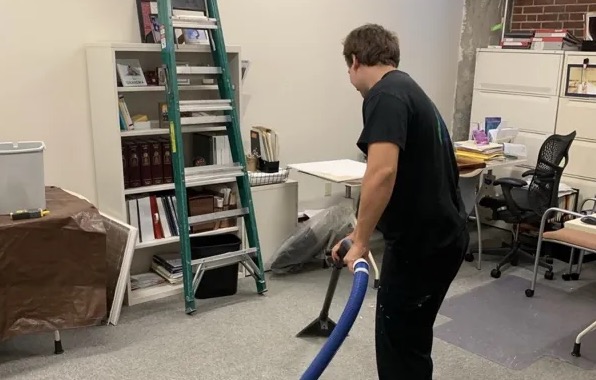
Floor Water Damage Restoration Experts Serving Logan, IA
Flooding from a leak or appliance failure soaks flooring materials, requiring specialized drying. For residents in Logan, this emergency disrupts the home and demands a fast, reliable response.
Wet floor restoration services in Logan and nearby areas like Missouri Valley, Woodbine and Honey Creek focus on thorough moisture extraction from all flooring layers. This helps preserve the integrity of homes in Logan.
Complete Floor Water Damage Restoration for Logan
Hardwood Floor Water Damage Repair
Buckling and discoloration signal water damage in hardwood. Local floor water removal experts in Logan focus on rapid water extraction and controlled drying to restore integrity.
Carpet Water Extraction Services
Carpet soaks up water like a sponge. Deep extraction shortens drying time and helps prevent stains and odors.
Subfloor Water Damage Repair
The subfloor is the layer most vulnerable to water. Local repair specialists in Logan remove flooring to dry, repair or replace it.
Tile Floor Water Damage Restoration
Water under tile puts the subfloor at risk. The experts extract standing water and run dehumidifiers to draw moisture from underneath.
Vinyl Floor Water Damage Cleanup
For water-damaged vinyl floors in Logan, professionals often need to remove the material to access trapped moisture.
Indicators of Floor Water Damage in Logan
Carpet Bubbling or Wrinkles
When carpet detaches from the tack strip or develops visible ripples, the padding underneath is likely soaked.
Buckling or Warping Boards
Hardwood or laminate planks that lift or curl at the edges usually mean water has reached the underside of the boards.
Cupping Hardwood Edges
Board edges that sit higher than the centers, called cupping, usually mean moisture is coming from below.
Musty or Damp Odors
A persistent earthy smell often means water is trapped within flooring materials, promoting microbial growth.
How Floor Water Damage Restoration Works in Logan
Step 1: Water Mitigation
The work starts by removing water quickly with truck-mounted extractors to keep the damage from spreading.
Step 2: Enhanced Evaporation Process
Professional-grade equipment accelerates evaporation from all wet materials. This pulls moisture out of porous surfaces that surface extraction misses.
Step 3: Moisture Monitoring and Mapping
Moisture readings are taken each day and mapped, so no wet corner of the floor is missed.
Step 4: Floor Repair and Finish
Once dry, the flooring is repaired or replaced so the floor is safe to use again.
Frequent Sources of Floor Water Damage
Sprinkler System Accidents
A lawn sprinkler aimed at the house or an interior fire sprinkler discharge can put a lot of water on a floor fast.
Plumbing Line Failures
Burst supply lines, cracked drain pipes and failed fittings under sinks and toilets often send a lot of water across a floor before anyone notices.
Foundation Cracks and Seepage
Groundwater pushed up through cracks in a slab keeps the floor covering damp from below, even when nothing is leaking inside.
Improper Door and Window Seals
Failed caulk or weather stripping lets wind-driven rain in around doors and windows, where it pools on the floor at the frame.
Both Residential & Commercial Floor Water Damage Restoration in Logan
Residential Floor Water Damage Restoration
Homeowners rely on emergency floor water removal when living areas flood. Local pros assess damage to materials from engineered wood to vinyl plank.
Commercial Floor Water Damage Restoration
Experts use specialized tools to detect trapped moisture, preventing tile tenting and ensuring a level, safe surface for employees and customers.
Why DIY Floor Water Damage Restoration Often Fails in Logan
Use a wet-dry vacuum for minor spills on surfaces. Increase ventilation with open windows and fans. Monitor for dampness or odors over 24 hours. A spongy floor or musty smell means moisture has gone deeper and needs professional extraction.
Understanding Floor Water Damage Restoration Cost in Logan
The cost for floor water damage restoration in Logan depends on materials and moisture scope. Extent of damage, subfloor condition, and drying time influence the investment.
Subfloor Damage Presence
A wet subfloor that has swelled or softened may need plywood replaced, which adds to the scope and the cost.
Antimicrobial Treatment Needs
An antimicrobial applied during drying, where the water was dirty or sat for a while, is a separate line on the bill.
Required Drying Time
The more days the flooring takes to dry, the longer the equipment runs and the higher the labor total.
Does Insurance Cover Floor Water Damage Restoration?
Floor water damage coverage depends on your provider and policy. Most policies expect you to stop further damage quickly. The pros photograph the floor before work starts for your adjuster.
Selecting Local Pros for Floor Water Damage Restoration in Logan, IA
Structural Integrity Assessment
Floors are watched during drying for swelling or soft spots that may need a contractor after the water work is done.
Material-Specific Expertise
Hardwood, laminate, tile and vinyl react to water differently, so each gets its own drying approach.
Containment Protocols
Plastic barriers keep moist air and dust in the work area so dry rooms nearby stay clean.
Emergency Floor Water Damage Restoration Response in Logan
Standing water on any flooring type demands early professional help. For urgent wet floor restoration assistance in Iowa, reach out to the pros at (402) 704-4921 any time, day or night.
Call Now (402) 704-4921Floor Water Damage Restoration Serving Logan and Nearby Communities
For comprehensive wet floor restoration following a leak or flood, property owners in Logan and nearby areas like Missouri Valley, Woodbine and Honey Creek rely on proven drying methods.
- Floor Water Damage Restoration in Missouri Valley
- Floor Water Damage Restoration in Woodbine
- Floor Water Damage Restoration in Honey Creek
- Floor Water Damage Restoration in Neola
- Floor Water Damage Restoration in Dunlap
- Floor Water Damage Restoration in Fort Calhoun
- Floor Water Damage Restoration in Crescent
- Floor Water Damage Restoration in Blair
- Emergency Damage Restoration in 51546
- Storm Damage Restoration in 51546
- Water Damage Restoration in 51546
- Water Extraction Service in 51546
- Water Leak Detection in 51546
- Water Removal Service in 51546
Frequently Asked Floor Water Damage Restoration Questions
Are floor water damage services necessary for small leaks?
Even small, slow leaks can cause significant hidden damage over time, rotting subfloors and fostering mold.
What is included in subfloor water damage repair?
Pros remove the surface flooring, cut out and replace rotted plywood or OSB, and treat nearby wood before the floor goes back down.
What happens during vinyl floor water damage cleanup?
Water can seep under vinyl sheet or plank flooring, loosening adhesive and promoting mold.
How is moisture in floor assemblies detected and measured?
The experts use non-penetrating surface meters and penetrating probe meters to take precise moisture readings in flooring materials and subfloors.
Why is emergency floor water removal so time-sensitive?
Standing water quickly wicks into subfloors and walls, causing swelling, mold growth within 24-48 hours, and permanent damage to flooring materials.