Council Bluffs, IA · Pottawattamie County
Floor Water Damage Restoration in Council Bluffs, IASubfloor Water Damage Repair & Emergency Floor Water Removal
Floor Water Damage Restoration in Council Bluffs includes emergency floor water removal, vinyl floor water damage cleanup, and concrete floor drying services.
Answered 24/7
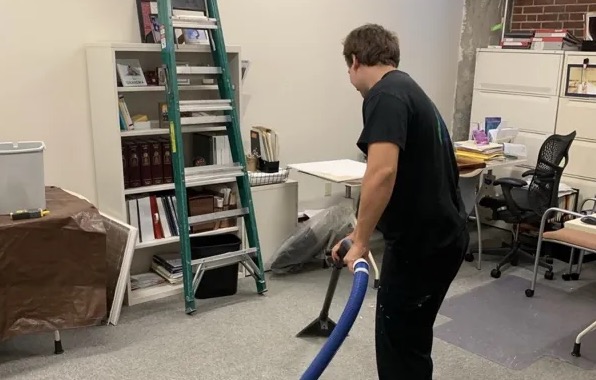
Professional Floor Water Damage Restoration in Council Bluffs, IA
Emergency floor water removal in Council Bluffs is crucial because the first 24-48 hours after a flood determine the extent of salvageable materials.
Wet floor restoration services in Council Bluffs and nearby areas like Carter Lake, Midtown and Dundee focus on thorough moisture extraction from all flooring layers. This helps preserve the integrity of homes in Council Bluffs.
Comprehensive Floor Water Damage Restoration in Council Bluffs, IA
Subfloor Water Damage Repair
The subfloor is the layer most vulnerable to water. Local repair specialists in Council Bluffs remove flooring to dry, repair or replace it.
Emergency Floor Water Removal
When a pipe bursts or an appliance leaks, emergency floor water damage repair specialists extract standing water from every floor type and start drying.
Hardwood Floor Water Damage Repair
Moisture meters find water trapped under hardwood, and targeted drying systems then protect the subfloor and finish.
Laminate Floor Water Damage Cleanup
Water in laminate seams swells the core. The specialists extract the water and remove damaged planks before new flooring goes in.
Vinyl Floor Water Damage Cleanup
Vinyl is not waterproof at the seams. When water gets underneath, the specialists extract it and dry the subfloor before the vinyl lifts further.
Warning Signs You Need Floor Water Damage Restoration
Discoloration or Staining
Dark spots, yellowing, or rings on your flooring indicate water has penetrated the surface. Water is likely trapped under the surface.
Musty or Damp Odors
A persistent earthy smell often means water is trapped within flooring materials, promoting microbial growth.
Visible Mold or Mildew
Fuzzy mold or black speckling on baseboards or flooring is a serious health hazard, indicating prolonged moisture in floor materials.
Buckling or Warping Boards
Hardwood or laminate planks that lift or curl at the edges usually mean water has reached the underside of the boards.
How Floor Water Damage Restoration Works in Council Bluffs
Step 1: Water Containment
The first response is to contain the spread of water using barriers and extraction.
Step 2: Deep Moisture Extraction
Subsurface extraction tools pull water from deep within carpets and from under flooring materials.
Step 3: Comprehensive Drying Strategy
A customized drying plan is implemented using an array of drying equipment.
Step 4: Material Evaluation and Repair
Once the subfloor is dry, damaged boards, pad or plywood are listed for repair or replacement, and salvaged flooring can be reinstalled.
What Leads to Wet Floors in Council Bluffs
Plumbing Line Failures
Burst supply lines, cracked drain pipes and failed fittings under sinks and toilets often send a lot of water across a floor before anyone notices.
Improper Door and Window Seals
Failed caulk or weather stripping lets wind-driven rain in around doors and windows, where it pools on the floor at the frame.
Foundation Cracks and Seepage
Groundwater pushed up through cracks in a slab keeps the floor covering damp from below, even when nothing is leaking inside.
Overflowing Sinks or Tubs
A bathroom or kitchen overflow can send water across the floor and down through seams into the subfloor.
Home and Business Floor Water Damage Restoration in Council Bluffs
Residential Floor Water Damage Restoration
Extraction experts use powerful truck-mounted units to remove water, then lift carpets for underlayment drying, a key step in preventing odors and preserving the homeowner's investment.
Commercial Floor Water Damage Restoration
The process involves careful removal of planks, drying of the substrate, and replacement with the same materials so the floor looks uniform.
Professional Floor Water Damage Restoration or DIY in Council Bluffs?
Wipe and clean the dry flooring around the wet area and keep the air conditioning or heat running. DIY drying often misses water under the floor, so call (402) 704-4921 if you are unsure how far it went.
Estimating Floor Water Damage Restoration Expenses in Council Bluffs, IA
Your floor water damage cleanup cost in Iowa depends on whether the affected area is confined or has spread to adjacent rooms.
Antimicrobial Treatment Needs
An antimicrobial applied during drying, where the water was dirty or sat for a while, is a separate line on the bill.
Subfloor Damage Presence
A wet subfloor that has swelled or softened may need plywood replaced, which adds to the scope and the cost.
Water Contamination Category
Clean water from a supply line costs less to handle than gray water or sewage, which need protective gear and disinfection.
Does Insurance Cover Floor Water Damage Restoration?
Property owners should contact them to report damage and understand the deductible. The specialists provide precise documentation, but policy interpretation belongs to the insurer.
Advantages of Hiring Local Pros for Floor Water Damage Restoration in Council Bluffs
Structural Integrity Assessment
Floors are watched during drying for swelling or soft spots that may need a contractor after the water work is done.
Floor-Specific Equipment
Weighted carpet extractors, floor drying mats and dehumidifiers are matched to carpet, hardwood, tile or concrete.
Focused Subfloor Attention
The subfloor is dried as well as the surface, since it often stays wet long after the top layer feels dry.
Always-Available Emergency Floor Water Damage Restoration in Council Bluffs, IA
A leaking appliance or burst pipe can flood floors quickly. Call (402) 704-4921 for emergency floor water extraction and drying services in Council Bluffs.
Call Now (402) 704-4921Floor Water Damage Restoration Serving Council Bluffs and Nearby Communities
Wet floors are handled in Council Bluffs and in nearby Carter Lake, Midtown and Dundee, for both emergency calls and scheduled drying.
- Floor Water Damage Restoration in Carter Lake
- Floor Water Damage Restoration in Midtown
- Floor Water Damage Restoration in Dundee
- Floor Water Damage Restoration in Crescent
- Floor Water Damage Restoration in Bellevue
- Floor Water Damage Restoration in Ralston
- Floor Water Damage Restoration in Papillion
- Floor Water Damage Restoration in La Vista
- Emergency Damage Restoration in 51501
- Storm Damage Restoration in 51501
- Water Damage Restoration in 51501
- Water Extraction Service in 51501
- Water Leak Detection in 51501
- Water Removal Service in 51501
- Emergency Damage Restoration in 51502
- Storm Damage Restoration in 51502
Your Floor Water Damage Restoration Questions Addressed
What is involved in the floor water damage restoration process?
It starts with water extraction, then moisture mapping, drying with air movers and dehumidifiers, and monitoring until the floor is dry.
How do professionals handle tile floor water damage restoration?
Tile does not absorb water, but grout and underlayment do. Pros extract water from under tiles, dry the substrate and often regrout.
What is included in subfloor water damage repair?
Pros remove the surface flooring, cut out and replace rotted plywood or OSB, and treat nearby wood before the floor goes back down.
What is the purpose of concrete floor drying services?
Even dense concrete slabs absorb moisture, which can wick into walls and flooring above.
Can floor water damage lead to mold growth?
Yes. Wet wood subflooring and carpet backing can start growing within 24 to 48 hours, so drying matters.