Logan, IA · Harrison County
Contaminated Water Removal in Logan, IABlack Water Extraction & Toxic Spill Water Removal
For a sewer backup, Contaminated Water Removal in Logan means sewage backup water removal, sewage water cleanup and contaminated carpet removal.
Answered 24/7
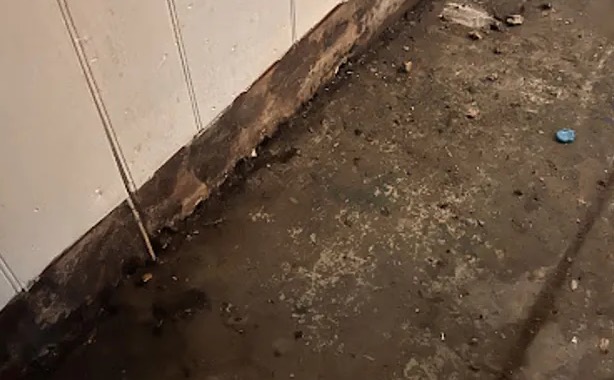
Trusted Contaminated Water Removal Solutions in Harrison County
Drying contaminated materials does not make them clean. In Logan, running fans on sewage-soaked carpet or drywall spreads odor and contamination through the house.
A sewer backup in Logan can contaminate a whole floor quickly. Local contaminated water cleanup pros serve Logan and nearby Missouri Valley, Woodbine and Honey Creek, with help available around the clock.
Contaminated Water Removal and Restoration Services in Logan
Black Water Extraction
Porous materials soaked by black water usually cannot be cleaned safely, so they are bagged and removed before drying.
Toxic Spill Water Removal
Surfaces touched by chemical-laden water are cleaned with products suited to the contaminant before drying.
Emergency Water Mitigation
Help is available any hour, because contaminated water spreads bacteria and odor into more materials the longer it sits.
Sewage Water Cleanup
Sewage water cleanup includes removing soaked materials, disinfecting surfaces and running air scrubbers while work continues.
Flooded Basement Cleanup
Below-grade spaces dry slowly, so dehumidifiers run until the slab and walls test dry after cleaning.
How to Know You Need Contaminated Water Removal in Your Logan Property
Sewage Backup in Home
Sewage coming up through toilets, tubs or floor drains is black water and needs protective cleanup right away.
Gray Water From Appliance Leaks
Water from a washer or dishwasher drain is gray water and needs cleaning, not just drying.
Chemical Spill on Property
Water mixed with a spilled chemical, fuel or oil needs careful handling and possibly a hazardous materials contractor.
Foul Odors From Standing Water
Standing water with a foul or sewage smell is contaminated and should not be touched without protection.
How Contaminated Water Removal Works in Logan
Step 1: Contamination Source Identification
The pros find whether the water came from a sewer, drain, appliance or outside flood.
Step 2: Contaminated Water Removal
Water is pumped and extracted quickly to limit how far contamination spreads.
Step 3: Affected Material Removal
Soaked carpet, pad, drywall and insulation are cut out, bagged and removed.
Step 4: Sanitization and Air Scrubbing
Remaining surfaces are disinfected, and air scrubbers filter odors and dust from the work area.
What Causes Contaminated Water Incidents in Logan
Heavy Rainfall and Flooding
Heavy rain and flooding carry soil, chemicals and sewage into buildings through doors and walls.
Natural Disaster Aftermath
After storms and floods, water carries debris and contaminants from streets and yards.
Industrial or Chemical Spills
Spills of fuel, oil or chemicals can mix with water and spread across floors and soil.
Landscape Irrigation Issues
Irrigation runoff carrying fertilizer and soil can seep into lower levels through walls.
Both Residential & Commercial Contaminated Water Removal in Logan
Residential Contaminated Water Removal
In homes, contaminated water usually comes from a sewer backup, an overflowing toilet or a flooded basement. The area is contained, cleaned and dried while the family stays out of it.
Commercial Contaminated Water Removal
In businesses, a sewage backup can close restrooms, kitchens or whole floors. Cleanup is contained and planned to reopen safely and quickly.
Professional Contaminated Water Removal Over DIY in Logan, IA
You can stop using water in the house, keep people and pets away and take photos. Removing contaminated materials and disinfecting the area needs protective gear and the right products.
Cost Considerations for Contaminated Water Removal in Logan
The cost of contaminated water removal in Logan depends on the type of contamination, how far it spread and how much material must be removed.
Emergency Service Timing
Night, weekend and holiday calls can cost more than a scheduled weekday visit.
Material Removal Needs
Removing and disposing of contaminated carpet, pad and drywall adds labor and fees.
Affected Area Size
Larger contaminated areas need more extraction, more removal of materials, more disinfection and more drying.
Does Insurance Cover Contaminated Water Removal?
Contaminated items that must be discarded should be listed and photographed before disposal, since insurers usually ask for that record.
The Value of Local Pros for Contaminated Water Removal in Harrison County
Structural Drying Expertise
Walls, subfloors and framing are dried after cleaning, not just the visible surfaces.
Detailed Damage Documentation
Photos, removal lists and drying logs are kept to support your insurance claim.
Advanced Extraction Equipment
Pumps and extractors remove contaminated water quickly, with less contact and spread.
24/7 Emergency Contaminated Water Removal in Logan
Night, weekend or holiday, local contaminated water cleanup pros handle contaminated water in Logan. Call (402) 704-4921 to get the water out and the area cleaned safely.
Call Now (402) 704-4921Contaminated Water Removal Near Logan: Areas Served
Besides Logan, the pros handle contaminated water cleanup and disinfection in nearby Missouri Valley, Woodbine and Honey Creek.
- Contaminated Water Removal in Missouri Valley
- Contaminated Water Removal in Woodbine
- Contaminated Water Removal in Honey Creek
- Contaminated Water Removal in Neola
- Contaminated Water Removal in Dunlap
- Contaminated Water Removal in Fort Calhoun
- Contaminated Water Removal in Crescent
- Contaminated Water Removal in Blair
- Emergency Damage Restoration in 51546
- Storm Damage Restoration in 51546
- Water Damage Restoration in 51546
- Water Extraction Service in 51546
- Water Leak Detection in 51546
- Water Removal Service in 51546
Contaminated Water Removal FAQs
What equipment is used for contaminated water removal?
Pumps and extractors, protective gear, disinfectants and air scrubbers, plus dehumidifiers, air movers and moisture meters for drying.
How does emergency water mitigation help prevent mold?
Removing contaminated water and materials quickly and drying the structure keeps microbial growth from starting.
How quickly should black water removal begin?
Right away. Black water spreads bacteria and odor into materials the longer it sits, increasing what must be removed.
When is sewage water cleanup required?
Whenever water carries sewage or other waste, including toilet overflows with waste and sewer backups.
What is contaminated water removal?
Extracting gray or black water with protective gear, removing soaked porous materials, disinfecting surfaces and drying the structure.