Omaha, NE · Douglas County
Contaminated Water Cleanup in Omaha, NEGray Water Damage Cleanup & Contaminated Carpet Removal
Contaminated Water Cleanup in Omaha handles black water extraction, contaminated carpet removal and emergency water mitigation with protective gear.
Answered 24/7
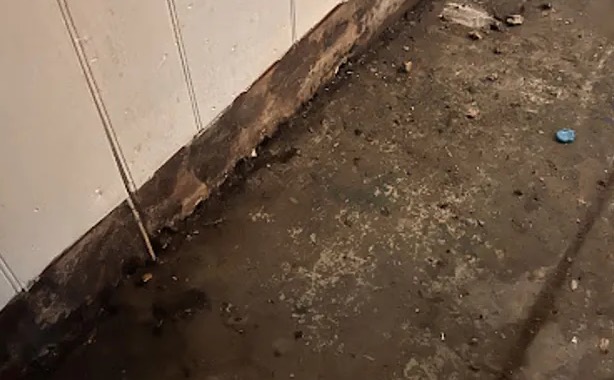
Local Contaminated Water Cleanup Services in Omaha, Nebraska
Clean water that sits for days can become contaminated. In Omaha, a supply line leak that soaked carpet over a long weekend may need the same cleanup as gray water.
Homes and businesses in Omaha and nearby Midtown, Carter Lake and Dundee deal with sewer backups, appliance drain leaks and floodwater. Help with contaminated water cleanup covers containment, extraction, removal and disinfection.
Contaminated Water Cleanup Services in Omaha
Gray Water Damage Cleanup
Carpet pad soaked by gray water is usually replaced, while hard surfaces are cleaned and disinfected.
Contaminated Carpet Removal
Carpet and pad soaked by sewage, floodwater or old gray water are cut out, bagged and removed from the home.
Toxic Spill Water Removal
Water mixed with household chemicals, fuel or oil is handled with protective gear and removed without spreading it further.
Sewage Water Cleanup
Sewage water cleanup includes removing soaked materials, disinfecting surfaces and running air scrubbers while work continues.
Black Water Extraction
Black water extraction starts with containment, so contamination is not tracked through the house during cleanup.
Warning Signs You Need Contaminated Water Cleanup in Omaha
Mold After a Flood
Dark spots on walls or floors after a flood mean contaminated materials have stayed wet too long.
Water From an Unknown Source
Water you cannot trace to a clean supply line should be treated as contaminated until checked.
Sump Pump Failure and Overflow
A sump pit that overflows can push dirty groundwater and debris across a basement floor.
Foul Odors From Standing Water
Standing water with a foul or sewage smell is contaminated and should not be touched without protection.
How Contaminated Water Cleanup Works in Omaha
Step 1: Initial Hazard Assessment
The type of contamination is identified and the right protective gear is chosen.
Step 2: Source Control and Water Extraction
The backup or leak is stopped, and contaminated water is extracted right away.
Step 3: Removal and Disposal
Contaminated materials are removed, bagged and disposed of according to local rules for that kind of waste.
Step 4: Drying and Dehumidification
Clean surfaces are dried with dehumidifiers and air movers until readings are normal.
Common Causes of Contaminated Water in Omaha
Industrial or Chemical Spills
Spills of fuel, oil or chemicals can mix with water and spread across floors and soil.
Sump Pump Overwhelm or Failure
A sump pump that fails or is overwhelmed lets dirty groundwater rise into the basement.
Landscape Irrigation Issues
Irrigation runoff carrying fertilizer and soil can seep into lower levels through walls.
Septic Tank Backups
A full or failing septic system sends wastewater back up through the lowest drains.
Contaminated Water Cleanup Across Omaha Residential and Commercial Sectors
Residential Contaminated Water Cleanup
Families with young children, older adults or anyone with health concerns should stay out of contaminated areas until cleanup and disinfection are done.
Commercial Contaminated Water Cleanup
Restaurants and food businesses need contaminated areas cleaned and disinfected to meet health rules before food prep resumes.
Professional Contaminated Water Cleanup Over DIY in Omaha, NE
Bleach poured on sewage can create harsh fumes and does not clean porous materials. Contaminated carpet, pad and drywall need to be removed, not sprayed.
Factors Affecting Contaminated Water Cleanup Cost in Omaha
A sewage backup cleaned up the same day in Omaha usually costs less than one left to soak into walls and floors for days.
Emergency Service Timing
Night, weekend and holiday calls can cost more than a scheduled weekday visit.
Affected Area Size
Larger contaminated areas need more extraction, more removal of materials, more disinfection and more drying.
Access Complexity
Crawl spaces, basements and tight areas take longer to reach and clean safely.
Does Insurance Cover Contaminated Water Cleanup?
Contaminated items that must be discarded should be listed and photographed before disposal, since insurers usually ask for that record.
Advantages of Hiring Local Pros in Omaha for Contaminated Water Cleanup
24/7 Emergency Response
Help is available day or night, because contaminated water cannot wait for business hours.
Preventive Mold Strategies
Fast cleanup and drying, plus treatment where needed, limits microbial growth after contaminated water.
Contaminant Handling
Each type of contamination is handled with the right protective gear and cleaning products.
24/7 Emergency Contaminated Water Cleanup in Omaha
Sewage or dirty water spreading in Omaha? Stop running water in the house, keep everyone away and call (402) 704-4921. Help is available 24/7.
Call Now (402) 704-4921Contaminated Water Cleanup Near Omaha: Areas Served
Help with contaminated water cleanup reaches Midtown, Carter Lake and Dundee, plus other communities around Omaha, for houses, apartments and commercial buildings.
Contaminated Water Cleanup FAQs
Is it safe to stay home during contaminated water cleanup?
Often yes, if the work area is contained and you stay out of it. People with health concerns may prefer to stay elsewhere.
Why is professional contaminated water cleanup important?
It needs protective gear, containment and disinfection to keep contamination from spreading through the house.
What should be done while waiting for contaminated water removal?
Stop water use, keep people and pets away, shut off power to wet areas if safe and take photos.
Is wet carpet removal always necessary after contaminated water?
For sewage and floodwater, yes. For gray water caught quickly, carpet may sometimes be cleaned, but pad is replaced.
What is the process for toxic spill water removal?
The area is made safe, the water is removed without spreading it and surfaces are cleaned with suitable products. Large spills may need a hazmat contractor.