Glenwood, IA · Mills County
Condo Water Damage Restoration in Glenwood, IACondo Wall Cavity Drying & Condo Mold Prevention Treatment
Condo Water Damage Restoration in Glenwood runs from condo emergency water pump-out and condo flooring water extraction to condo wall cavity drying.
Answered 24/7
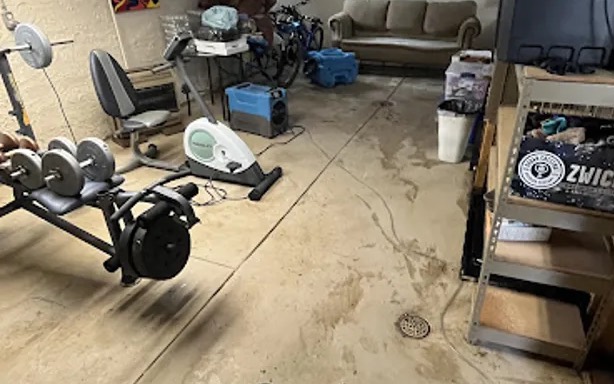
Condo Water Damage Restoration Solutions in Glenwood
Condo water damage rarely stays inside one unit. In Glenwood, a leak from a water heater, washer or bathroom can run through the floor into the unit below or through a shared wall into the unit next door.
A leak in a Glenwood condo can reach the unit below within hours. Local condo water damage pros serve Glenwood and nearby Plattsmouth, Malvern and Bellevue, with help available around the clock.
The Condo Water Damage Restoration Process for Glenwood
Condo Wall Cavity Drying
Shared walls between units are checked from both sides, since water in the cavity can affect a neighbor's drywall too.
Condo Mold Prevention Treatment
After drying, framing and subfloor that stayed wet can be treated with an antimicrobial before walls and floors are closed up.
Condo Appliance Leak Water Removal
Water from a failed washer hose, dishwasher line or refrigerator line is shut off and extracted from the floor and under nearby cabinets.
Condo Emergency Water Pump-Out
Help is available any hour, because water in a condo keeps moving toward neighboring units until it is removed.
Condo Ceiling Water Cleanup
Ceiling leaks in condos often come from a bathroom or water heater upstairs. The source unit and the unit below are both checked.
Signs Your Condo Needs Water Damage Restoration
Warped or Cupped Flooring
Hardwood or laminate that cups, crowns or lifts at the seams has water underneath it.
Unexplained Increase in Water Bill
A water bill that rises with no change in use usually means a hidden leak in the unit.
Discolored or Soft Drywall
Drywall that is soft, stained or crumbling has absorbed water and may need to be cut out.
Ceiling Stains or Sagging
A stain, bulge or sag in the ceiling usually means water is coming from the unit or roof above.
How Condo Water Damage Restoration Works in Glenwood
Step 1: Emergency Response
Help is available any hour, with advice on shutting off water and protecting belongings while you wait.
Step 2: Source Stop and Water Removal
The leaking line or appliance is shut off and the water is extracted from floors and cabinets.
Step 3: Drying System Setup
Equipment is placed to dry walls, floors and ceilings while keeping the unit usable where possible.
Step 4: Sanitization and Restoration Prep
Areas touched by dirty water are cleaned, and the unit is readied for repairs.
Typical Origins of Condo Leaks in Glenwood
Appliance Hose and Seal Failures
Washer hoses, dishwasher seals and refrigerator lines fail and leak across the floor.
Faulty Plumbing Supply Lines
Toilet, sink and appliance supply lines wear out and can drip or burst inside cabinets and walls.
Leaking Condo Unit Above Yours
Leaks in the condo above yours often show up first as a stain on your ceiling.
Overflowing Toilets or Sinks
Toilets and sinks that clog or are left running overflow into hallways and units below.
Condo Water Damage Restoration for All Condo Types in Glenwood
Residential Condo Water Damage Restoration
Owners who rent out their condo need the tenant's belongings and the unit's finishes documented separately for different policies.
Commercial Condo Water Damage Restoration
Associations with many buildings benefit from consistent reports, with readings and photos in the same format for every job.
Condo Water Damage Restoration vs. DIY: When to Call the Pros
A shop vac picks up surface water, but it cannot reach water inside walls, under flooring or in the ceiling below. Those hidden areas are where condo damage grows.
Condo Water Damage Restoration Cost in Glenwood, IA
Underlayment replacement, toilet water cleanup, belongings handling and after-hours calls all add to the total for condo water damage restoration in Glenwood.
Content Restoration Needs
Moving, drying and listing furniture and belongings adds labor to the job.
Mold Prevention Measures
Antimicrobial treatment of framing that stayed wet is an added step priced by area.
Emergency Service Timing
Night, weekend and holiday calls can cost more than a scheduled weekday visit.
Does Insurance Cover Condo Water Damage Restoration?
In a condo, the association's master policy usually covers parts of the building, while your unit owner policy covers interior finishes and belongings. Check both early.
The Value of Local Pros for Condo Water Damage Restoration
24/7 Emergency Response
Help is available day or night, because condo leaks spread to neighbors quickly.
Equipment Sized to Fit
Drying equipment is chosen to fit condo rooms and keep hallways and exits clear.
Detailed Damage Documentation
Photos, readings and drying logs are kept for each unit to support owner and association claims.
Urgent Condo Water Damage Restoration Support in Glenwood, IA
Night, weekend or holiday, local condo water damage pros handle condo water damage in Glenwood. Call (402) 704-4921 to get the water out and drying started.
Call Now (402) 704-4921Condo Water Damage Restoration Near Glenwood: Areas Served
Nearby areas served for condo water damage restoration include Plattsmouth, Malvern and Bellevue, with the same extraction and drying steps used in Glenwood.
- Condo Water Damage Restoration in Plattsmouth
- Condo Water Damage Restoration in Malvern
- Condo Water Damage Restoration in Bellevue
- Condo Water Damage Restoration in Tabor
- Condo Water Damage Restoration in Treynor
- Condo Water Damage Restoration in Council Bluffs
- Condo Water Damage Restoration in Papillion
- Condo Water Damage Restoration in Midtown
- Emergency Damage Restoration in 51534
- Storm Damage Restoration in 51534
- Water Damage Restoration in 51534
- Water Extraction Service in 51534
- Water Leak Detection in 51534
- Water Removal Service in 51534
Condo Water Damage Restoration FAQ for Glenwood Residents
How is condo flooring water extraction done?
Water is extracted from carpet and hard floors, and flooring or underlayment that traps water is lifted so the subfloor can dry.
How are condo appliance leaks handled?
The appliance is shut off and pulled out where possible, and the floor, cabinets and wall behind it are dried.
Does condo wall cavity drying require cutting holes?
Usually only small holes near the base or behind baseboards. Larger openings are made only where drywall is ruined.
How is water inside condo walls handled during restoration?
Small holes or removed baseboards let air into the cavity, wet insulation is removed and both sides of shared walls are checked.
How long does condo drying usually take?
Often several days, depending on whether ceilings, shared walls or subfloors got wet and how long the water sat.