Omaha, NE · Douglas County
Ceiling Mold Removal in Omaha, NEBlack Mold Ceiling Removal & Ceiling Mold Remediation
Ceiling Mold Removal includes ceiling mold cleanup, testing, and prevention in Omaha.
Answered 24/7
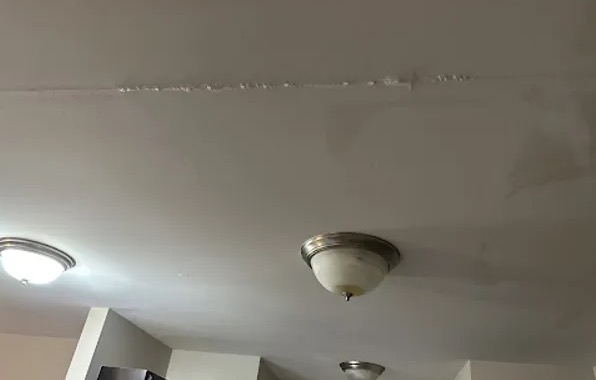
Your Ceiling Mold Removal Solution in Omaha
Properties in Omaha can develop ceiling mold from humidity or leaks. Black mold on ceiling is a common concern that requires specific handling. Ceiling mold inspection identifies the extent and moisture source.
Local mold remediation pros focus on eliminating the source. They handle ceiling mold inspection and water damage ceiling mold. Their service area includes Midtown, Carter Lake and Dundee and nearby communities. Careful work practices prevent cross-contamination.
Ceiling Mold Removal Services for Omaha
Black Mold Ceiling Removal
For black mold on ceilings, the pros perform controlled removal. They remove and bag moldy drywall, then clean surfaces. EPA-registered solutions help eliminate the hazard in Omaha.
Ceiling Mold Remediation
Complete ceiling mold remediation addresses every aspect of fungal contamination. The pros use specialized equipment like HEPA scrubbers to achieve IICRC-standard results. Thorough remediation restores indoor air quality for residents in Omaha.
Water Damage Ceiling Mold
Water-damaged ceilings can foster mold within 48 hours. The pros respond to dry the area and remove compromised materials. This action helps stop mold spread in Omaha, mitigating health risks.
Ceiling Mold Prevention
Preventing ceiling mold involves regular moisture inspections and spotting early water intrusion signs. The pros in Omaha advise on attic ventilation and quick condensation response. Proactive steps may reduce future remediation needs.
Ceiling Mold Inspection
A ceiling mold removal inspection maps all contamination, including airborne spores. The pros document findings with photos and readings. This can be useful for insurance and ensures no mold is overlooked.
Warning Signs You Need Ceiling Mold Removal
Dampness or Moisture on Ceiling Surface
Feeling dampness or seeing moisture beads on a ceiling surface is a direct warning sign of active mold conditions.
Condensation on Windows or Walls
High indoor humidity causing condensation can also lead to moisture accumulation on ceilings, fostering mold growth.
Health Symptoms That Improve Outdoors
If respiratory symptoms lessen when you leave your home, it suggests an indoor air quality issue like ceiling mold.
Peeling Paint or Bubbling Ceiling Texture
When paint peels or textured ceilings bubble, moisture is present behind the surface, creating an ideal environment for ceiling mold.
How Ceiling Mold Removal Works in Omaha
Step 1: Comprehensive Ceiling Mold Testing
The process may start with professional ceiling mold testing to determine spore types and concentrations. This data informs the specific remediation strategy needed.
Step 2: Safety Preparation and Personal Protection
The pros set up safety protocols, including protective gear and sealing the work zone. This protects both workers and the building's occupants during mold on ceiling removal.
Step 3: Water Damage Ceiling Mold Remediation
Any lingering moisture from water damage is addressed with drying equipment. Then, mold-damaged ceiling sections are remediated or replaced as necessary.
Step 4: Air Scrubbing and Odor Elimination
Air scrubbers run continuously to purify the air of spores and musty odors. This step is crucial for restoring normal indoor air quality post-remediation.
What Leads to Ceiling Mold in Omaha
Leaking Windows or Improper Flashing
Water intrusion around windows or from faulty flashing can travel into wall cavities and up to the ceiling area.
Past Flooding or Water Intrusion
Previous flooding events can leave residual moisture in ceiling cavities, leading to delayed ceiling mold remediation needs.
Condensation From High Indoor Humidity
High humidity levels cause condensation to form on cooler ceiling surfaces, providing the dampness mold spores need.
Bathroom and Kitchen Ventilation Issues
Inadequate exhaust fans let steam from showers and cooking settle on ceilings, creating moisture for mold on ceiling removal.
Residential and Commercial Ceiling Mold Removal in Omaha
Residential Ceiling Mold Removal
Household ceiling mold remediation targets common problem areas like kitchens and bedrooms. The pros assess the extent, including potential hidden black mold ceiling removal, to fully address the contamination.
Commercial Ceiling Mold Removal
Office buildings and warehouses require comprehensive mold removal services for ceiling infestations. Experts manage large-scale containment and debris removal, coordinating to keep business activities as undisturbed as possible during the project.
DIY vs. Professional Ceiling Mold Removal in Omaha
Wear an N-95 mask and gloves for a tiny mold patch. Isolate the area by closing doors and covering vents. Cleaning alone does not fix the moisture source.
Ceiling Mold Removal Cost in Omaha, NE
Mold in ceiling removal cost considerations include the time for drying after water damage and the type of antimicrobial treatments applied. These steps aim for a complete and lasting solution.
Local Disposal Regulations
Proper bagging and disposal of mold-contaminated materials according to local guidelines incur specific fees that are part of the service cost.
Ceiling Material and Accessibility
Removing mold from textured popcorn ceilings or high vaulted ceilings often requires more time and careful techniques than working on flat drywall.
Type of Mold Present
Identifying black mold or other toxic varieties necessitates stricter safety protocols and specialized disposal methods, which can increase the overall project cost.
Does Insurance Cover Ceiling Mold Removal?
Coverage for toxic mold removal varies widely by carrier and policy. Some have strict limits. Professionals document the scope for a claim, but coverage decisions belong to the insurer.
Benefits of Local Mold Remediation Pros for Ceiling Mold Removal in Omaha
Moisture Source Identification
Addressing the root cause of water damage ceiling mold is a priority to prevent the issue from recurring after the cleanup is complete.
Post-Remediation Verification Options
Ceiling mold testing after the work provides a clearance check to confirm that mold levels have returned to a normal, safe range.
Safe Black Mold Handling
Specialized procedures and personal protective equipment are used for black mold on ceiling removal to protect your home's occupants during the work.
Round-the-Clock Emergency Ceiling Mold Removal in Omaha, NE
Emergency ceiling mold remediation is vital for extensive growth or in a frequently used room. For a methodical inspection and mitigation plan, contact mold removal companies via (402) 704-4921 at any hour.
Call Now (402) 704-4921Regions Served for Ceiling Mold Removal Near Omaha
In the Waxhaw area, ceiling mold testing and subsequent remediation follow established safety guidelines. Homeowners in Omaha and nearby locations like Midtown, Carter Lake and Dundee can access these specialized mold removal procedures.
Your Ceiling Mold Removal Questions Addressed
What areas of the home are covered by mold removal services?
Professional services address mold in all areas, including ceilings, walls, attics, basements, and crawl spaces, using appropriate methods for each specific environment and material.
What defines an emergency ceiling mold removal situation?
Situations involving extensive growth, toxic black mold, mold in HVAC systems, or rapid growth after major water damage warrant an urgent, 24/7 professional response.
Are there health risks from mold on ceiling removal attempts?
Disturbing mold without proper containment can release a high concentration of spores into the air, potentially causing allergic reactions or respiratory issues for occupants.
How does ceiling mold remediation differ from simple cleaning?
Remediation is a comprehensive process that addresses the root cause, contains the area to prevent cross-contamination, safely removes the mold, and cleans the air, unlike surface wiping alone.
What factors influence mold in ceiling removal cost the most?
The primary cost drivers are the square footage affected, the type of mold, the accessibility of the ceiling, and whether the underlying structure needs repair or replacement.