Waverly, NE · Lancaster County
Basement Water Damage Restoration in Waverly, NEBasement Mold Prevention & Basement Drying Services
Basement Water Damage Restoration in Waverly runs from basement water extraction and basement floor water removal to basement dehumidification.
Answered 24/7
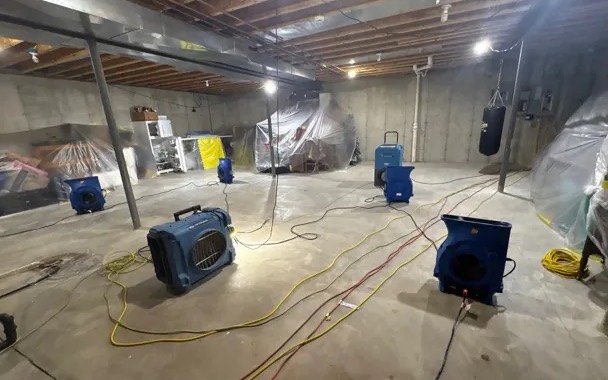
Expert Basement Water Damage Restoration Serving Waverly
Basements collect water from every direction: rain seeping through walls, groundwater pushing up through the slab, sewage backing up through floor drains and pipes bursting overhead. In a Waverly home with a basement or below-grade room, any of these can leave inches of water on the floor.
One burst pipe or heavy storm in Waverly can flood a basement. Local water removal pros serve Waverly and nearby Ceresco, Ashland and Lincoln, with help available around the clock.
Professional Basement Water Damage Restoration Offered in Waverly
Basement Mold Prevention
After drying, an antimicrobial can be applied to framing and concrete that were wet, to slow mold on surfaces that stay in place.
Basement Drying Services
Drying a basement takes longer than drying an upper floor because the air is cool and the concrete holds moisture.
Basement Sewer Backup Cleanup
Porous materials touched by sewage, such as carpet, pad and lower drywall, are removed. Concrete and framing are cleaned and disinfected.
Emergency Basement Flood Cleanup
Help is available any hour when water is rising in the basement from a burst pipe, a sewer backup or heavy rain.
Basement Water Extraction
Submersible pumps remove deep standing water, then portable extractors pull water from carpet, pad and the concrete floor.
How to Know You Need Basement Water Damage Restoration in Waverly
Wet or Stained Basement Walls
Dark, wet patches or tide lines on basement walls show where water seeped in or wicked up.
High Humidity Levels Below-Grade
A basement that stays damp and clammy even on dry days has a moisture source that needs attention.
Sewage Odors or Backups
Sewage smells or water coming up through a floor drain mean the sewer line is backing up.
Standing Water in the Basement
Any standing water on the basement floor needs pumping right away, before it soaks walls and framing.
How Basement Water Damage Restoration Works in Waverly
Step 1: Water Removal
Pumps and extractors remove standing water from the basement floor, starting at the lowest point.
Step 2: Targeted Moisture Evaporation
Air movers are aimed at wet walls, framing and the slab to speed evaporation.
Step 3: Humidity Control
Large dehumidifiers pull moisture from the basement air, with readings checked every day.
Step 4: Final Verification and Restoration
Final readings confirm the basement is dry, and the space is ready for drywall and flooring repairs.
Frequent Sources of Water Damage in Waverly
Water Heater or Appliance Leaks
Water heaters, washers and utility sinks in the basement can leak or fail without warning.
Window Well Flooding
Window wells without drains or covers fill with rain and leak through basement windows.
HVAC Condensate Line Overflow
A clogged furnace or air conditioner condensate line can overflow onto the floor of a basement or lower-level utility room.
Failed or Clogged Drain Tile
Clogged or collapsed drain tile around the foundation lets water build up against the walls.
Basement Water Damage Restoration for All Properties in Waverly
Residential Basement Water Damage Restoration
Finished basements used as living space need carpet, pad and lower drywall checked carefully. Soaked materials are removed so the walls and slab can dry.
Commercial Basement Water Damage Restoration
Businesses with below-grade storage need inventory moved out of the water quickly. Wet stock is separated and documented for insurance.
When to DIY and When to Call the Pros for Basement Water Damage Restoration
Sewage in a basement should not be cleaned up without gloves, boots and eye protection. For any backup through a floor drain or toilet, call local water removal pros.
What Influences Basement Water Damage Restoration Cost in Waverly
In Waverly, basement jobs often run longer than upper-floor jobs because concrete dries slowly. Equipment days make up much of the bill.
Material Saturation
Finished basements with carpet, drywall and insulation take more removal work than bare concrete.
Dehumidification Needs
Large dehumidifiers may need to run longer in below-grade spaces than in upper floors.
Affected Square Footage
Larger basements need more extraction, more drying equipment and more days of drying time.
Does Insurance Cover Basement Water Damage Restoration?
Photograph the water level, damaged belongings and appliances before cleanup starts, and keep receipts for emergency pumping and drying to send to your insurer.
Advantages of Hiring Local Pros in Waverly for Basement Water Damage Restoration
Mold Prevention Focus
Fast drying is the main way to limit microbial growth in a below-grade space.
Industry Drying Standards
Drying follows industry water damage standards, with readings taken at every visit.
Structural Integrity Assessment
Walls, stairs and framing are checked for damage before work begins in the basement.
24/7 Emergency Basement Water Damage Restoration in Waverly
Water rising in your basement in Waverly? Shut off power to the basement if it is safe, move what you can and call (402) 704-4921. Help is available 24/7.
Call Now (402) 704-4921Local Basement Water Damage Restoration Coverage: Waverly and Beyond
Basement water removal and drying also cover homes and buildings in Ceresco, Ashland and Lincoln, close to Waverly, day or night.
- Basement Water Damage Restoration in Ceresco
- Basement Water Damage Restoration in Ashland
- Basement Water Damage Restoration in Lincoln
- Basement Water Damage Restoration in Valparaiso
- Basement Water Damage Restoration in Wahoo
- Basement Water Damage Restoration in Gretna
- Basement Water Damage Restoration in Mead
- Basement Water Damage Restoration in Hickman
- Emergency Damage Restoration in 68462
- Storm Damage Restoration in 68462
- Water Damage Restoration in 68462
- Water Extraction Service in 68462
- Water Leak Detection in 68462
- Water Removal Service in 68462
Basement Water Damage Restoration Common Questions Answered
What causes the most common below-grade leaks in homes?
Sump pump failures, foundation cracks, clogged drain tile, sewer backups and burst pipes in the basement ceiling.
How long does below-grade drying take after a flood?
Often several days or longer, since concrete and cool basement air dry slowly. Daily readings show progress.
What is the purpose of basement wall drying?
To remove water from drywall, insulation, framing and concrete so the walls can be repaired without trapping moisture.
Should I try below-grade waterproofing myself after flooding?
Sealing a small crack can be a DIY job, but drying must come first, and larger waterproofing work should go to a contractor.
Does basement mold prevention need special steps after flooding?
Fast drying is the main step. Wood and concrete that stayed wet can be treated with an antimicrobial once dry.