Hamburg, IA · Fremont County
Basement Water Damage Restoration in Hamburg, IABasement Water Extraction & Basement Wall Drying
Basement Water Damage Restoration in Hamburg runs from basement water extraction and basement floor water removal to basement dehumidification.
Answered 24/7
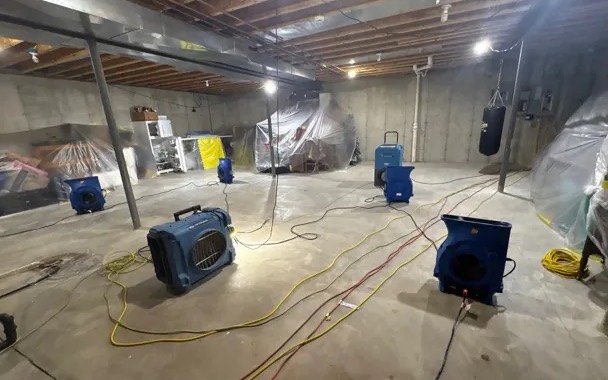
Expert Basement Water Damage Restoration Serving Hamburg
In a Hamburg home with a basement and a sump pump, a pump that fails during heavy rain lets water rise fast. Furnaces, water heaters, washers and stored belongings all sit at floor level and take the damage first.
Homes in Hamburg and nearby Sidney, Nebraska City and Percival with basements deal with seepage, plumbing leaks and sewer backups. Help with basement water damage restoration covers pumping, removal of wet materials and drying of walls and concrete.
Basement Water Damage Restoration Solutions Available in Hamburg
Basement Water Extraction
Submersible pumps remove deep standing water, then portable extractors pull water from carpet, pad and the concrete floor.
Basement Wall Drying
Concrete and block walls are dried with directed airflow and dehumidifiers, and checked with meters until readings drop.
Basement Mold Prevention
Fast extraction and drying are the main ways to limit microbial growth in a basement. Surfaces that stayed wet can be treated once dry.
Basement Sewer Backup Cleanup
Sewage that backs up through a floor drain or toilet is extracted with protective gear, and the area is contained from the rest of the house.
Basement Drying Services
Drying a basement takes longer than drying an upper floor because the air is cool and the concrete holds moisture.
Indicators for Basement Water Damage Restoration in Hamburg
Rusted Appliances or Pipes
Rust on the water heater, furnace base or pipes points to repeated moisture or past flooding.
Peeling Paint or Wallpaper
Paint that peels or blisters on basement walls often has moisture behind it.
Sump Pump Failure or Overflow
A sump pump that runs constantly, fails to start or lets the pit overflow puts the basement at risk.
Condensation on Windows or Pipes
Water beading on cold pipes or basement windows shows high humidity that keeps materials damp.
How Basement Water Damage Restoration Works in Hamburg
Step 1: Initial Assessment and Water Removal
The source and type of water are identified, and standing water is removed right away.
Step 2: Focused Drying of Materials
Walls, framing and the slab are dried with directed airflow, with wet insulation removed.
Step 3: Air Quality Management
Air scrubbers filter dust and odors from removal work while drying continues.
Step 4: Documentation for Restoration
Photos, readings and a list of removed materials are prepared for insurance and rebuilding.
Typical Sources of Basement Water Damage in Hamburg
High Water Table and Hydrostatic Pressure
A high water table pushes groundwater up through the slab and into the joints between wall and floor.
Clogged Floor Drains
A floor drain blocked by debris cannot carry off water from a leak or overflow, so it spreads across the basement floor.
Plumbing Pipe Bursts or Leaks
Supply lines and drain pipes in basement ceilings can crack or burst onto the floor below.
Overland Flooding From Storms
Heavy storms and snowmelt can send surface water into basements through doors and walls.
Home and Business Basement Water Damage Restoration in Hamburg
Residential Basement Water Damage Restoration
A sewer backup in a home basement needs contaminated carpet, pad and drywall removed and every hard surface disinfected before drying.
Commercial Basement Water Damage Restoration
In restaurants and stores with basements, sewage backups need fast containment so contamination does not reach food or customer areas.
Basement Water Damage Restoration vs. DIY: When to Call the Pros
Keeping gutters and downspouts clear and checking water heater and washer hoses are good DIY steps before storm season. Once water is on the floor, call (402) 704-4921.
Understanding Basement Water Damage Restoration Pricing in Hamburg
Before pricing basement water damage restoration in Hamburg, the pros check the water depth, the type of water and what the basement is finished with.
Access Complexity
Narrow stairs, low ceilings and stored contents can make the work slower.
Water Category
Clean water costs less to handle than sewage, which needs protective gear, removal and disinfection.
Affected Square Footage
Larger basements need more extraction, more drying equipment and more days of drying time.
Does Insurance Cover Basement Water Damage Restoration?
Photograph the water level, damaged belongings and appliances before cleanup starts, and keep receipts for emergency pumping and drying to send to your insurer.
Advantages of Hiring Local Pros in Hamburg for Basement Water Damage Restoration
Advanced Moisture Detection
Moisture meters and thermal cameras find water in walls and slabs that looks dry.
Industrial-Grade Equipment
Pumps, extractors and large dehumidifiers remove water much faster than household wet vacs and fans.
Mold Prevention Focus
Fast drying is the main way to limit microbial growth in a below-grade space.
Round-the-Clock Emergency Basement Water Damage Restoration in Hamburg
Sewage coming up through a floor drain? Stop using water in the house and call (402) 704-4921 now for basement water damage restoration in Hamburg.
Call Now (402) 704-4921Local Basement Water Damage Restoration Coverage: Hamburg and Beyond
Other places served are listed below, each with its own page.
- Basement Water Damage Restoration in Sidney
- Basement Water Damage Restoration in Nebraska City
- Basement Water Damage Restoration in Percival
- Basement Water Damage Restoration in Shenandoah
- Basement Water Damage Restoration in Tabor
- Basement Water Damage Restoration in Malvern
- Basement Water Damage Restoration in Syracuse
- Basement Water Damage Restoration in Glenwood
- Emergency Damage Restoration in 51640
- Storm Damage Restoration in 51640
- Water Damage Restoration in 51640
- Water Extraction Service in 51640
- Water Leak Detection in 51640
- Water Removal Service in 51640
Basement Water Damage Restoration Common Questions Answered
What are signs of hidden moisture after below-grade water extraction?
Musty smells, tide lines on walls, damp carpet edges and moisture readings that stay high in walls or the slab.
How long does below-grade drying take after a flood?
Often several days or longer, since concrete and cool basement air dry slowly. Daily readings show progress.
What equipment is used for below-grade water damage repair?
Submersible pumps, extractors, air movers, large dehumidifiers, moisture meters and air scrubbers for dust and odor.
What does below-grade moisture removal include beyond pumping?
Extracting carpet and pad, opening wet walls, running air movers and dehumidifiers, and checking readings until dry.
Does basement mold prevention need special steps after flooding?
Fast drying is the main step. Wood and concrete that stayed wet can be treated with an antimicrobial once dry.