Missouri Valley, IA · Harrison County
Attic Water Removal in Missouri Valley, IACeiling Water Damage Cleanup & Roof Leak Water Removal
Get attic water removal in Missouri Valley for attic moisture inspection, attic leak water cleanup and attic mold prevention.
Answered 24/7
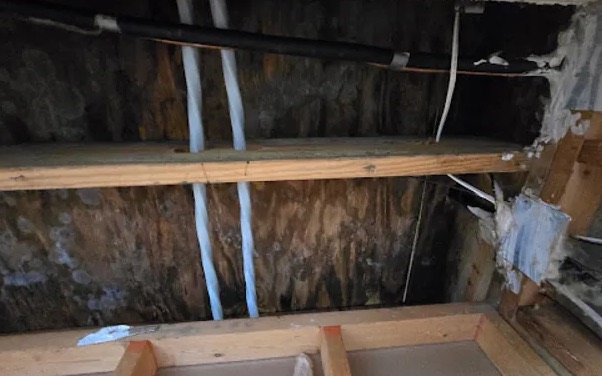
Professional Attic Water Removal in Missouri Valley, IA
Attic Water Removal in Missouri Valley covers both the attic and the room below. Water rarely stays on the attic floor; it soaks the ceiling and sometimes runs down the walls.
In Missouri Valley, attic water calls often start with a ceiling stain after heavy rain or a dripping AC drain. Local attic drying specialists serve Missouri Valley, Logan, Honey Creek and Fort Calhoun, removing water and wet insulation and drying the attic.
Comprehensive Attic Water Removal Offerings
Ceiling Water Damage Cleanup
A water-stained ceiling below the attic is checked with a meter. Firm, lightly damp drywall can dry in place, while soft or sagging drywall comes down.
Roof Leak Water Removal
A temporary tarp over the damaged section keeps more rain out until the roofer can make a permanent repair.
Wet Attic Insulation Removal
Only the wet sections come out. The edges of the wet area are checked with a meter so dry insulation is not removed by mistake.
Attic Mold Prevention
Fast drying is the main protection. Antimicrobial treatment is added only where framing and decking stayed wet long enough to need it.
Attic Leak Water Cleanup
Cleanup focuses on the low spots where water collects: the bays between joists, the area around the hatch and the space under an air handler.
Warning Signs You Need Attic Water Removal
High Utility Bills Unexpectedly
Wet insulation loses its insulating value, so energy bills can rise after an attic leak.
Musty Odors in Your Home
A musty smell upstairs or at the attic hatch often points to wet insulation or damp wood above.
Condensation on Attic Windows or Nails
Damp nail tips or water droplets on attic surfaces point to moisture or ventilation problems.
Visible Mold in Attic Spaces
Dark spots on rafters or roof decking mean the wood has stayed damp for days or longer.
How Attic Water Removal Works in Missouri Valley
Step 1: Attic Flood Cleanup Response
Active drips are contained with buckets and plastic, and the room below is protected.
Step 2: Targeted Attic Moisture Removal
Water is vacuumed from between joists and on top of drywall, starting where it is deepest.
Step 3: Attic Dehumidification
Dehumidifiers pull moisture from the attic air while air movers dry the wet framing.
Step 4: Documentation for Restoration
Photos and moisture readings are compiled to show what was removed and when the attic dried.
Leading Origins of Attic Water Damage
Roof Leaks From Damaged Shingles
Cracked, missing or lifted shingles let rain reach the decking and drip into the attic.
Clogged or Disconnected Gutters
Clogged or loose gutters let water back up under the roof edge and into the soffits.
Condensation From Poor Attic Ventilation
Moist air from the house condenses on roof decking when attic ventilation is poor.
Appliance Malfunctions Like Water Heater Leaks
Water heaters located in the attic can leak or fail, flooding the attic floor.
Attic Water Removal for All Property Types in Missouri Valley
Residential Attic Water Removal
In townhomes and condos, a shared attic can carry water into a neighbor's ceiling. Clear photos and readings help sort out repairs with the association.
Commercial Attic Water Removal
Property managers get records for each affected suite or unit, which helps with roof repair planning and insurance claims.
Professional Attic Water Removal Compared to DIY
If you can do it safely, look into the attic with a flashlight to find the wet area. Removing soaked insulation and drying the framing needs boards, protective gear and equipment.
Factors Influencing Attic Water Removal Cost
An attic leak handled the same day in Missouri Valley usually costs less than one left until the ceiling sags and has to be torn out.
Emergency Service Timing
Storm, night and holiday calls can cost more than a scheduled visit.
Water Contamination Level
Clean rainwater is simpler to handle than water from a drain line or other dirty source.
Drying Time Required
Dense wood framing can take several days to dry, which adds equipment time.
Does Insurance Cover Attic Water Removal?
Many homeowner policies cover sudden attic leaks from storms or burst pipes, but not damage from worn roofing or slow leaks. Read your policy and call your insurer early.
Benefits of Local Pros for Attic Water Removal
Structural Drying Focus
Rafters, decking and the ceiling are dried, not just the spot under the drip.
Advanced Moisture Detection
Moisture meters and thermal cameras find wet wood and insulation that look dry.
Industry Drying Standards
Drying follows industry water damage standards, with moisture readings taken at every visit.
24/7 Attic Water Removal Response in Missouri Valley
Water in an attic reaches the ceiling below fast. Call (402) 704-4921 for attic water removal in Missouri Valley at any hour, including storms and holidays.
Call Now (402) 704-4921Attic Water Removal Service Area Around Missouri Valley
Nearby areas served for attic water removal include Logan, Honey Creek and Fort Calhoun, with the same water removal and drying steps used in Missouri Valley.
- Attic Water Removal in Logan
- Attic Water Removal in Honey Creek
- Attic Water Removal in Fort Calhoun
- Attic Water Removal in Blair
- Attic Water Removal in Crescent
- Attic Water Removal in Neola
- Attic Water Removal in Woodbine
- Attic Water Removal in Kennard
- Emergency Damage Restoration in 51555
- Storm Damage Restoration in 51555
- Water Damage Restoration in 51555
- Water Extraction Service in 51555
- Water Leak Detection in 51555
- Water Removal Service in 51555
Frequently Asked Questions About Attic Water Removal
How quickly should I deal with water in my attic?
Right away. Water on top of ceiling drywall soaks in and adds weight, and the ceiling can sag or fall within a day.
What is an attic moisture inspection?
A check of rafters, decking, insulation and the ceiling below with moisture meters and thermal cameras to find all wet areas.
How can mold be prevented after attic water removal?
By drying wood quickly, fixing ventilation problems and treating framing that stayed wet with an antimicrobial.
Can wet attic insulation be saved?
Lightly damp areas sometimes dry, but soaked or matted insulation is usually removed and replaced after the attic dries.
Why is emergency attic drying important?
Wet wood and drywall break down quickly. Drying fast saves more of the ceiling and lowers the risk of microbial growth.