Laurel, NE · Cedar County
Attic Water Removal in Laurel, NECeiling Water Damage Cleanup & Emergency Attic Water Extraction
Get attic water removal in Laurel for attic moisture inspection, attic leak water cleanup and attic mold prevention.
Answered 24/7
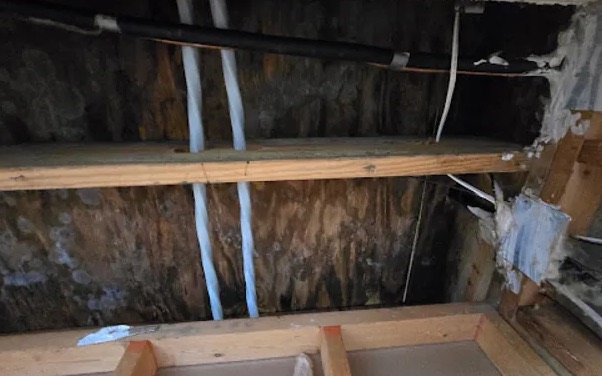
Expert Attic Water Removal for Laurel
After a storm in Laurel, water can enter an attic through damaged shingles, vents or holes from debris. Fast removal protects the ceiling and the rooms underneath.
A heavy storm in Laurel can push water into an attic overnight. Local attic drying specialists serve Laurel and nearby Randolph and Wayne, with help available around the clock.
The Attic Water Removal Process in Laurel
Ceiling Water Damage Cleanup
A water-stained ceiling below the attic is checked with a meter. Firm, lightly damp drywall can dry in place, while soft or sagging drywall comes down.
Emergency Attic Water Extraction
Emergency extraction starts with buckets and containment under active drips, then moves to pulling pooled water off the attic floor.
Roof Leak Water Removal
Rainwater from a roof leak is removed from the attic, and the wet path along the decking is followed back to where it entered.
Attic Mold Prevention
After drying, wood that was wet for more than a day or two can be treated with an antimicrobial to slow microbial growth.
Attic Drying Services
Drying continues until rafters, decking and ceiling drywall reach normal moisture readings, which is often several days.
When to Consider Attic Water Removal in Laurel
Rotting Wood on Attic Beams
Soft, dark or crumbling wood on rafters and beams points to long-term moisture.
High Utility Bills Unexpectedly
Wet insulation loses its insulating value, so energy bills can rise after an attic leak.
Water Dripping From Light Fixtures
Water dripping from a ceiling light or fan means an active leak above. Turn off that circuit.
Visible Mold in Attic Spaces
Dark spots on rafters or roof decking mean the wood has stayed damp for days or longer.
How Attic Water Removal Works in Laurel
Step 1: Source Control and Water Removal
The roof is tarped or the line shut off, and pooled water is removed from the attic floor.
Step 2: Wet Attic Cleanup and Debris Removal
Soaked insulation, wet debris and stored items are cleared so the wood and drywall can dry.
Step 3: Structural Drying and Dehumidification
Air movers and dehumidifiers are set on boards in the attic and run until readings drop.
Step 4: Final Attic Moisture Check
Decking, rafters and the ceiling below are tested to confirm they are dry before repairs.
Typical Sources of Attic Water Damage
Burst or Leaking Plumbing Pipes
Supply lines and drain pipes in the attic can crack or burst onto the ceiling.
Ice Dam Formation on Roof Edges
Ice dams at the roof edge force melting snow back under shingles and into the attic.
HVAC System Leaks or Drain Pan Overflow
An attic air handler overflows when its condensate line clogs or the drain pan cracks.
Clogged or Disconnected Gutters
Clogged or loose gutters let water back up under the roof edge and into the soffits.
Residential and Commercial Attic Water Removal in Laurel
Residential Attic Water Removal
In townhomes and condos, a shared attic can carry water into a neighbor's ceiling. Clear photos and readings help sort out repairs with the association.
Commercial Attic Water Removal
Property managers get records for each affected suite or unit, which helps with roof repair planning and insurance claims.
Attic Water Removal vs. DIY: When to Call the Pros
A fan in the room below does little for wet attic wood. Drying the attic takes equipment up there and readings to confirm it is dry.
Attic Water Removal Cost in Laurel, NE
Tight attic access, blown-in insulation removal and storm-night calls all add to the total for attic water removal in Laurel.
Water Contamination Level
Clean rainwater is simpler to handle than water from a drain line or other dirty source.
Extent of Water Damage
A leak confined to one bay costs less than water spread across the attic and the rooms below.
Type of Insulation Affected
Blown-in insulation takes more time to remove than batts, and both add disposal costs.
Does Insurance Cover Attic Water Removal?
Insurers often ask what caused the leak and how long it ran. Notes on the entry point and roof condition help answer those questions.
Advantages of Hiring Local Pros for Attic Water Removal in Laurel
24/7 Emergency Response
Help is available day or night when water is coming through the ceiling.
Dehumidification Equipment
Dehumidifiers sized for the attic remove moisture much faster than roof vents and open hatches alone.
Mold Inhibitor Application
Wood that stayed wet can be treated with an antimicrobial after it is dried.
Emergency Attic Water Removal Available Anytime
Water dripping through your ceiling in Laurel? Put a bucket under it, move belongings and call (402) 704-4921. Attic water removal is available 24/7.
Call Now (402) 704-4921Local Attic Water Removal Coverage Area
The places below are also served, and each one has its own page.
- Attic Water Removal in Randolph
- Attic Water Removal in Wayne
- Attic Water Removal in Hartington
- Attic Water Removal in Osmond
- Attic Water Removal in Pierce
- Attic Water Removal in Pender
- Attic Water Removal in Wisner
- Attic Water Removal in Plainview
- Emergency Damage Restoration in 68745
- Storm Damage Restoration in 68745
- Water Damage Restoration in 68745
- Water Extraction Service in 68745
- Water Leak Detection in 68745
- Water Removal Service in 68745
Frequently Asked Questions About Attic Water Removal
Can wet attic insulation be saved?
Lightly damp areas sometimes dry, but soaked or matted insulation is usually removed and replaced after the attic dries.
What should I do while waiting for attic leak water cleanup?
Catch drips, move belongings, stay out from under sagging ceilings and turn off power to wet light fixtures.
What is involved in attic water removal?
Stopping the source, removing pooled water, bagging wet insulation, drying the framing and decking, and checking the ceiling below.
What is an attic moisture inspection?
A check of rafters, decking, insulation and the ceiling below with moisture meters and thermal cameras to find all wet areas.
What equipment is used for attic water extraction?
Wet vacs, pumps, air movers, dehumidifiers, moisture meters and thermal cameras, plus vacuums for wet insulation.