Bellevue, NE · Sarpy County
Attic Water Removal in Bellevue, NERoof Leak Water Removal & Emergency Attic Water Extraction
Attic Water Removal in Bellevue covers attic leak water cleanup, roof leak water removal and wet attic insulation removal.
Answered 24/7
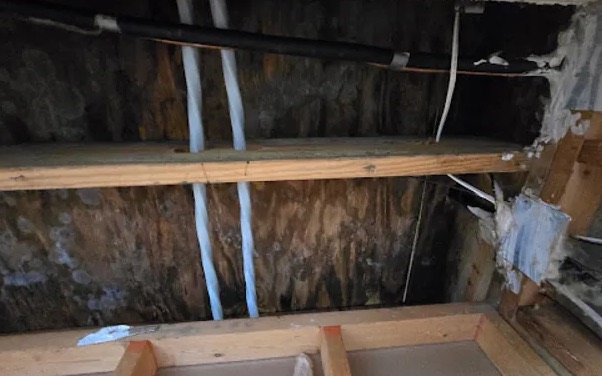
Professional Attic Water Removal in Bellevue, NE
Attic leaks that run for a long time in Bellevue can rot roof decking and rust fasteners. Even after the roof is fixed, that wood stays wet unless it is dried.
Homes in Bellevue and nearby Papillion, La Vista and Ralston often have AC units, ducts and plumbing in the attic, as well as insulation. The pros handle water from any of those sources, plus roof leaks after storms.
Comprehensive Attic Water Removal Offerings
Roof Leak Water Removal
Rainwater from a roof leak is removed from the attic, and the wet path along the decking is followed back to where it entered.
Emergency Attic Water Extraction
When a storm or a burst pipe floods the attic, help is available any hour to remove the water before the ceiling below fails.
Attic Leak Water Cleanup
The leak is stopped or tarped first, then water on the attic floor, on top of the drywall and around ducts and wiring is removed with wet vacs.
Wet Attic Insulation Removal
Fiberglass batts are lifted out by hand, while wet blown-in insulation is vacuumed with a high-powered insulation vacuum.
Attic Mold Prevention
After drying, wood that was wet for more than a day or two can be treated with an antimicrobial to slow microbial growth.
Signs of Attic Water Damage in Bellevue
Sagging or Bubbling Ceiling Drywall
Ceiling drywall that sags, bulges or bubbles at the seams is holding water and may fall.
Peeling Paint on Ceilings or Walls
Paint that peels or blisters on upstairs ceilings and walls often has water behind it.
Water Stains on Ceiling
A brown ring or yellow patch on an upstairs ceiling usually means water is sitting on the drywall from the attic.
Water Dripping From Light Fixtures
Water dripping from a ceiling light or fan means an active leak above. Turn off that circuit.
How Attic Water Removal Works in Bellevue
Step 1: Containment and Safety Setup
Power to wet fixtures is shut off and plastic sheeting protects the room below.
Step 2: Roof Leak Water Removal and Cleanout
Rainwater is removed, a tarp is placed over roof damage, and wet debris is cleared.
Step 3: Moisture Evaporation and Attic Drying
Equipment runs on safe footing in the attic, with readings checked each day.
Step 4: Validation of Dry Conditions
Final readings are compared to dry areas to confirm the attic is ready for new insulation.
Frequent Sources of Attic Water Damage in Bellevue
Storm Damage From High Winds or Hail
High winds and hail can damage shingles and open the roof to rain during a storm.
Burst or Leaking Plumbing Pipes
Supply lines and drain pipes in the attic can crack or burst onto the ceiling.
Condensation From Poor Attic Ventilation
Moist air from the house condenses on roof decking when attic ventilation is poor.
Roof Leaks From Damaged Shingles
Cracked, missing or lifted shingles let rain reach the decking and drip into the attic.
Attic Water Removal for Homes and Businesses
Residential Attic Water Removal
In two-story homes, attic water can run down inside walls to the floor below. Walls under the leak are checked with a meter and dried if needed.
Commercial Attic Water Removal
Flat-roof buildings often have water that travels far before it drips. The path above the ceiling is traced so every wet section is found.
Professional Attic Water Removal Compared to DIY
Catching drips with a bucket and moving furniture out of the way is a smart first step. Call local attic drying specialists if water is pooling in the attic, the ceiling is stained or sagging, or insulation is wet.
Estimating Attic Water Removal Expenses in Bellevue
The cost of attic water removal in Bellevue depends on how far the water spread, how much insulation is wet and whether ceiling drywall below must be replaced.
Mold Prevention Measures
Antimicrobial treatment of wood that stayed wet is an added step, priced by area.
Access and Attic Complexity
Low headroom and small access hatches make attic work slower than open spaces.
Type of Insulation Affected
Blown-in insulation takes more time to remove than batts, and both add disposal costs.
Does Insurance Cover Attic Water Removal?
Coverage for attic water removal depends on the cause and your policy terms. The pros document the damage and drying, and your insurer decides what is covered.
Benefits of Local Pros for Attic Water Removal
Structural Drying Focus
Rafters, decking and the ceiling are dried, not just the spot under the drip.
Industry Drying Standards
Drying follows industry water damage standards, with moisture readings taken at every visit.
Damage Documentation
Photos, readings and a list of removed materials are kept for insurance.
24-Hour Emergency Attic Water Removal Near Bellevue
Night, weekend or holiday, local attic drying specialists handle attic water in Bellevue. Call (402) 704-4921 to get the water out and the ceiling protected.
Call Now (402) 704-4921Attic Water Removal Service Area Around Bellevue
Help with attic water removal reaches Papillion, La Vista and Ralston, plus other communities around Bellevue, for one-story and two-story homes alike.
- Attic Water Removal in Papillion
- Attic Water Removal in La Vista
- Attic Water Removal in Ralston
- Attic Water Removal in Plattsmouth
- Attic Water Removal in Council Bluffs
- Attic Water Removal in Midtown
- Attic Water Removal in Dundee
- Attic Water Removal in Carter Lake
- Emergency Damage Restoration in 68005
- Storm Damage Restoration in 68005
- Water Damage Restoration in 68005
- Water Extraction Service in 68005
- Water Leak Detection in 68005
- Water Removal Service in 68005
- Emergency Damage Restoration in 68123
- Storm Damage Restoration in 68123
Common Attic Water Removal Queries Answered
Can wet attic insulation be saved?
Lightly damp areas sometimes dry, but soaked or matted insulation is usually removed and replaced after the attic dries.
Why is emergency attic drying important?
Wet wood and drywall break down quickly. Drying fast saves more of the ceiling and lowers the risk of microbial growth.
Can I remove attic water myself?
Only small amounts that are easy to reach safely. Pooled water and soaked insulation need safe footing and drying equipment.
How long does attic drying take?
Often several days, depending on how wet the wood is, the attic temperature and how much insulation was removed.
What is an attic moisture inspection?
A check of rafters, decking, insulation and the ceiling below with moisture meters and thermal cameras to find all wet areas.