Atlantic, IA · Cass County
Attic Water Extraction in Atlantic, IAEmergency Attic Water Extraction & Roof Leak Water Removal
Attic Water Extraction in Atlantic runs from attic leak water cleanup and attic drying services to ceiling water damage cleanup.
Answered 24/7
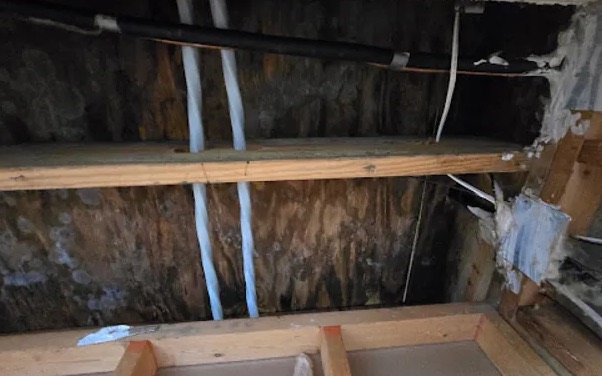
Professional Attic Water Extraction in Atlantic, IA
Wet insulation is the main problem in attic leaks. It soaks up water, gets heavy and keeps the drywall underneath wet long after the leak stops. In Atlantic homes, removing it is usually the first step after extraction.
In Atlantic, attic extraction calls often follow heavy rain or a clogged AC drain line. Local water damage pros serve Atlantic and Oakland, removing water and wet insulation and drying the ceiling below.
Attic Water Extraction and Damage Mitigation in Atlantic
Emergency Attic Water Extraction
Help is available any hour, because water sitting on top of a ceiling can bring the drywall down within a day.
Roof Leak Water Removal
Roof leaks often show up far from where they start. Moisture meters trace the water back along the decking to its entry point.
Attic Moisture Inspection
Readings taken at each visit show drying progress and give you a record for your insurer.
Attic Mold Prevention
Drying the attic quickly is the main way to limit mold on wood. Treatment is added for areas that were wet for days.
Attic Leak Water Cleanup
Water from a roof or plumbing leak usually runs along rafters before it drips. Cleanup follows that path and removes water wherever it pooled.
When to Call for Attic Water Extraction in Atlantic
Water Dripping From Light Fixtures
Water dripping from a ceiling light or fan is a sign of an active leak above. Turn off that circuit.
Water Stains on Ceiling
A brown or yellow stain on an upstairs ceiling usually means water is sitting on the drywall from the attic.
Damp Attic Insulation
Insulation that feels damp, looks matted or has dark patches has been soaking up water.
Peeling Paint or Wallpaper
Paint that bubbles or peels on upstairs ceilings often has water behind it.
How Attic Water Extraction Works in Atlantic
Step 1: Emergency Water Extraction
Active drips are caught and pooled water is vacuumed from the decking and drywall tops right away.
Step 2: Wet Insulation Removal
Soaked insulation is bagged and removed so air can reach the wood and the ceiling drywall below.
Step 3: Attic Drying Process
Air movers and dehumidifiers are set on boards across the joists and run until readings drop.
Step 4: Final Moisture Inspection
Readings on decking, rafters and the ceiling confirm the attic is dry before new insulation goes in.
Frequent Sources of Attic Leaks in Atlantic
Condensation From Poor Ventilation
Warm, moist air from the house condenses on roof decking when the attic lacks ventilation.
HVAC System Condensate Overflow
AC air handlers in the attic overflow when the condensate line clogs or the pan cracks.
Bathroom Exhaust Fan Vent Leaks
Bathroom fans vented into the attic, or with loose ducts, release moisture onto the wood.
Aging or Deteriorated Roofing Materials
Old, curled or cracked shingles and worn underlayment let water through during heavy rain.
Attic Water Extraction for All Properties in Atlantic
Residential Attic Water Extraction
In two-story homes, attic leaks can reach upstairs ceilings and run down into walls. Each wet area is checked with a meter and dried.
Commercial Attic Water Extraction
Flat-roof buildings often have leaks that travel far before they drip. The water path above the ceiling is traced so no wet section is missed.
Professional Attic Water Extraction or DIY in Atlantic?
If it is safe, you can look into the attic with a flashlight to find the wet area. Removing water and insulation from between joists takes boards, protective gear and drying equipment.
Understanding Attic Water Extraction Cost in Atlantic
In Atlantic, insulation removal and replacement are often the largest part of an attic job, along with drying equipment and ceiling repair.
Emergency Service Timing
Night, weekend and storm calls can cost more than a scheduled visit.
Required Drying Time
Dense framing and decking can take several days to dry, adding equipment time.
Type of Water Involved
Clean rainwater is simpler to remove than water from a drain line or a dirty source.
Does Insurance Cover Attic Water Extraction?
Photos, moisture readings and drying logs from local water damage pros help support an insurance claim for attic water damage in Atlantic.
Selecting Local Pros for Attic Water Extraction in Atlantic
Industry Extraction Standards
Extraction and drying follow industry water damage standards, with readings at every visit.
Dehumidification Plan
Dehumidifiers and air movers are placed for the attic's size and airflow, then adjusted daily.
Wet Insulation Handling
Wet insulation is bagged and removed without spreading debris into the living space.
Around-the-Clock Attic Water Extraction in Atlantic
Water in the attic soaks the ceiling below fast. Call (402) 704-4921 for attic water extraction in Atlantic at any hour, including storms and holidays.
Call Now (402) 704-4921Local Attic Water Extraction Areas Including Atlantic
Other places served are listed below, each with its own page.
- Attic Water Extraction in Oakland
- Attic Water Extraction in Red Oak
- Attic Water Extraction in Underwood
- Attic Water Extraction in Treynor
- Attic Water Extraction in Neola
- Attic Water Extraction in Malvern
- Attic Water Extraction in Crescent
- Attic Water Extraction in Woodbine
- Emergency Damage Restoration in 50022
- Storm Damage Restoration in 50022
- Water Damage Restoration in 50022
- Water Extraction Service in 50022
- Water Leak Detection in 50022
- Water Removal Service in 50022
FAQ on Attic Water Extraction in Atlantic
Can wet attic insulation be saved?
Lightly damp areas sometimes dry, but soaked or matted insulation is usually removed and replaced after the attic is dry.
What is involved in professional attic water extraction?
Catching drips, vacuuming pooled water from decking and drywall tops, removing soaked insulation and drying the framing and ceiling below.
Why is wet insulation removal often necessary?
Soaked insulation stays wet for a long time, adds weight to the ceiling and loses its insulating value.
How does roof repair relate to attic water extraction?
The roof must be fixed or tarped to stop new water. Extraction and drying deal with the water already inside.
What is the purpose of attic mold prevention?
To slow microbial growth on wood that stayed wet, by drying it quickly and treating it with an antimicrobial if needed.