Valley, NE · Douglas County
AC Unit Water Removal in Valley, NEWet AC Unit Component Drying & AC Leak Water Extraction
AC Unit Water Removal in Valley includes emergency AC water removal, AC drain pan water extraction and AC condensate drain clearing for leaking units.
Answered 24/7
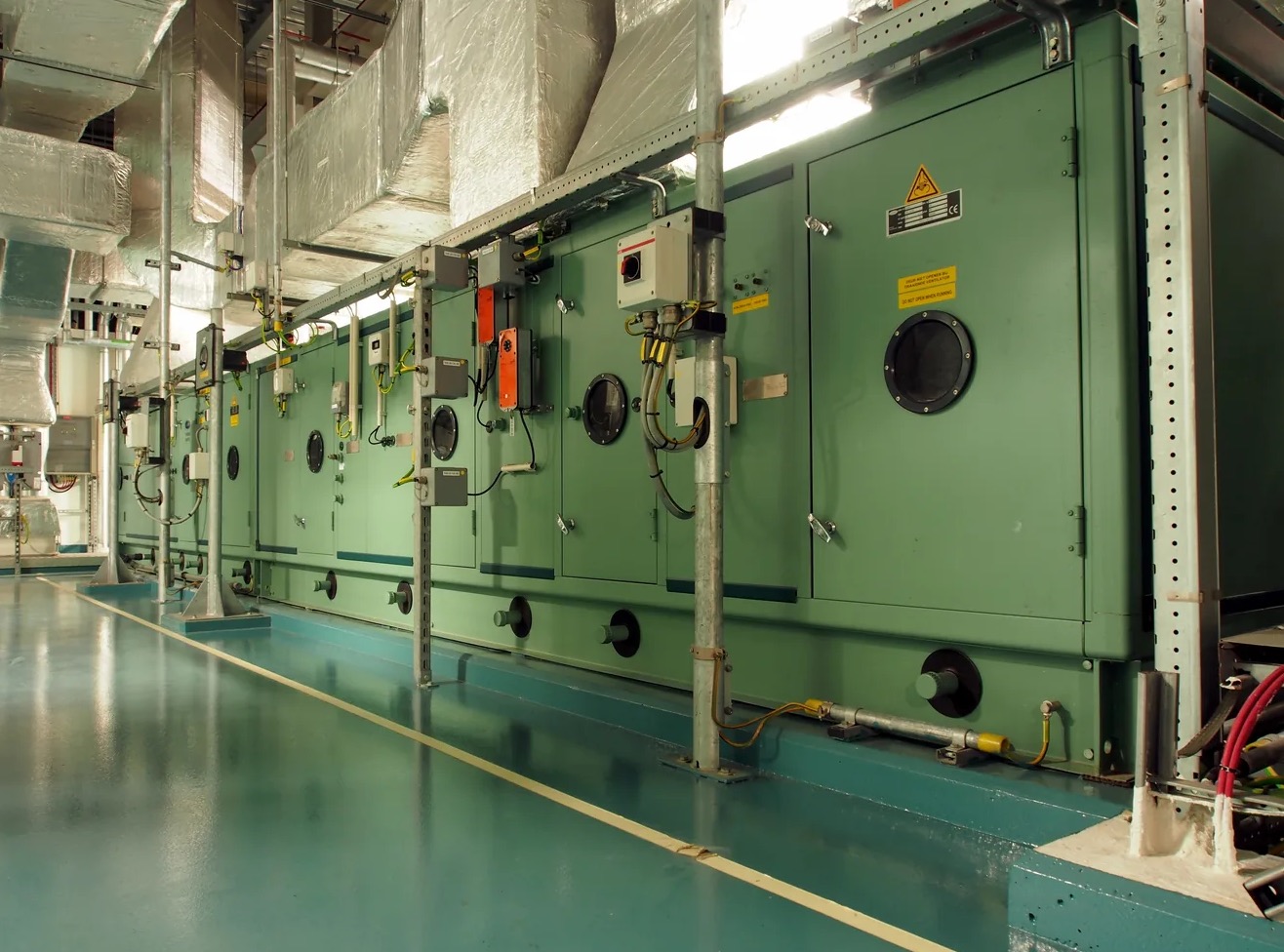
Professional AC Unit Water Removal in Valley, NE
AC Unit Water Removal in Valley deals with leaks from air handlers, condensate lines and drain pans. Acting early keeps a minor drip from soaking the insulation, the wall framing and the ceiling directly below the unit.
In Valley, AC leaks usually show up as ceiling stains under attic units, wet carpet near the furnace closet or water dripping from a vent. Help with AC unit water removal is available across Valley and in Waterloo, Yutan and Elkhorn, day or night, with extraction, drain clearing and drying.
Comprehensive AC Unit Water Removal Solutions in Valley
Wet AC Unit Component Drying
Wet blower motors, panels and wiring are dried with gentle airflow and dehumidifiers rather than direct heat, which lowers the risk of corrosion and shorts.
AC Leak Water Extraction
Extractors and pumps pull water from carpet, pad and hard floors around the unit, then hidden moisture is mapped in the subfloor.
AC Leak Mold Prevention
Surfaces that stayed damp, such as framing under the air handler, are treated after drying so leftover spores have less to feed on.
AC Drain Pan Water Extraction
A soaked pan in an attic unit is a ceiling leak waiting to happen. Extracting it quickly protects the drywall underneath.
Emergency AC Water Removal
Help is available day or night for leaks that start after hours, when water dripping from an attic unit cannot wait until morning.
How to Know You Need AC Unit Water Removal in Valley
Water on the Floor
A puddle around the air handler or furnace closet is the most direct sign of a leak.
Visible Mold Near AC
Dark spots on drywall or framing near the unit mean the area has stayed wet for days.
Unusual AC System Noises
Gurgling or dripping sounds from the unit can mean water is backing up in the drain line.
Musty Odors From Vents
A musty smell when the AC starts often means standing water in the pan or wet insulation in the ducts.
How AC Unit Water Removal Works in Valley
Step 1: Leak Assessment
The pros find the source of the leak, check how far the water spread and take moisture readings.
Step 2: Source Stop and Water Removal
The drain is cleared or the leaking part isolated, then standing water is extracted from every wet area.
Step 3: System Drying and Dehumidification
Drying equipment runs until walls, floors and insulation test dry, with readings taken at each visit.
Step 4: Verification and Restoration
Final readings confirm the materials are dry, then damaged drywall, trim or ceiling panels can be replaced.
Why AC Units Leak and Need Water Removal
Disconnected Drain Line
A drain line knocked loose in the attic or closet empties condensate onto the ceiling or floor.
Clogged AC Condensation Line
Algae and sludge build up in the drain line over a cooling season until water backs up into the pan.
High Static Pressure in Ducts
Restricted ducts can pull water off the coil and blow it into the cabinet or ductwork.
Damaged AC Drain Pan
Metal pans rust through and plastic pans crack with age, letting water drip straight through.
Both Residential & Commercial AC Unit Water Removal in Valley
Residential AC Unit Water Removal
For homeowners, the main risk is water soaking into insulation and drywall where no one sees it. Moisture meters find that hidden water so it can be dried before it causes rot.
Commercial AC Unit Water Removal
For property managers, one leaking unit can affect several suites or the floor below. Each wet area is extracted, dried and documented for the owner and insurer.
Why DIY AC Water Removal Often Fails in Valley
Box fans move air across a wet surface, but they often leave water trapped in wall cavities and under flooring. Professional drying uses moisture readings to confirm the hidden areas behind walls and under floors are dry too.
Understanding AC Unit Water Removal Pricing in Valley
Pricing for AC unit water removal in Valley is set after an inspection. The pros measure the wet area, check for hidden moisture and explain each item before starting.
Affected Component Count
The more of the system that got wet, such as the blower, panels and insulation, the more drying time is needed.
Required Drying Time
Dense materials and enclosed spaces take longer to dry, which means more equipment days.
Documentation Needs
Detailed photos and moisture logs for an insurance claim add some time to the job.
Does Insurance Cover AC Unit Water Removal?
Coverage for AC unit water removal varies from policy to policy. The pros document the damage and the drying, but your insurer decides what is covered and what is not, so ask early in the claim.
Benefits of Local Pros for AC Unit Water Removal in Valley
Detailed Moisture Documentation
Photos and moisture readings are recorded at each visit to support your insurance claim.
Drain Pan Extraction
Both the main pan and the safety pan are emptied and checked for damage.
Focus on Component Preservation
Wet blower motors and wiring are dried gently to lower the risk of corrosion and electrical faults.
24/7 AC Unit Water Removal for Emergencies in Valley
Night, weekend or holiday, local water damage pros handle leaking AC units in Valley. Call (402) 704-4921 to get the water out, the condensate drain cleared and drying started.
Call Now (402) 704-4921AC Unit Water Removal Available in Valley and Surrounding Towns
Help with AC unit water removal reaches Waterloo, Yutan and Elkhorn, plus other communities around Valley, for houses, apartments and commercial buildings with leaking AC units.
- AC Unit Water Removal in Waterloo
- AC Unit Water Removal in Yutan
- AC Unit Water Removal in Elkhorn
- AC Unit Water Removal in Washington
- AC Unit Water Removal in Mead
- AC Unit Water Removal in Arlington
- AC Unit Water Removal in Bennington
- AC Unit Water Removal in Fremont
- Emergency Damage Restoration in 68064
- Storm Damage Restoration in 68064
- Water Damage Restoration in 68064
- Water Extraction Service in 68064
- Water Leak Detection in 68064
- Water Removal Service in 68064
Frequently Asked Questions About AC Unit Water Removal in Valley
How long does drying take after an AC leak?
Often several days, depending on the materials and how long they were wet. Daily readings track progress.
How quickly should I deal with an AC leak?
Right away. Water that sits for more than a day or two soaks into drywall and insulation and raises the risk of microbial growth.
What happens during AC water extraction?
Pumps and extractors remove water from the pan, floor and carpet, then moisture meters check walls and subfloor for hidden water.
What is involved in AC unit water removal?
Standing water is extracted, the condensate line is cleared, and wet materials are dried with air movers and dehumidifiers until moisture readings are normal.
How does antimicrobial treatment help after an AC leak?
Once surfaces are dry, an antimicrobial can be applied to wood and drywall that stayed wet to slow microbial growth.